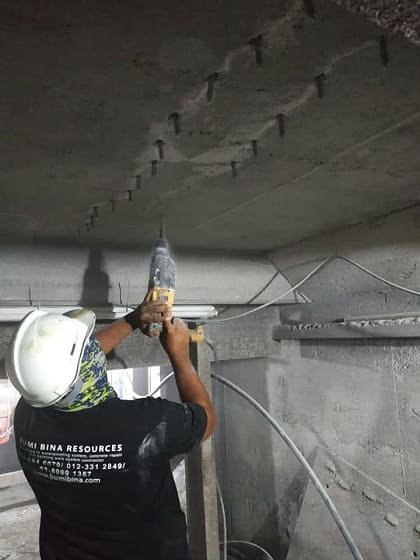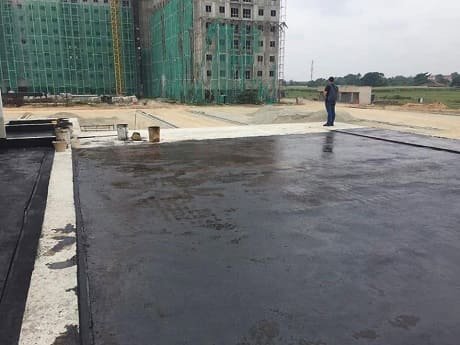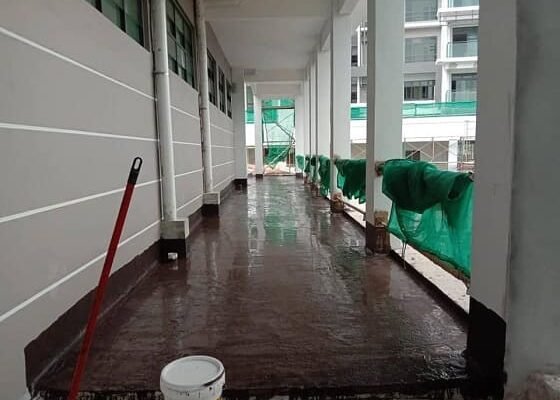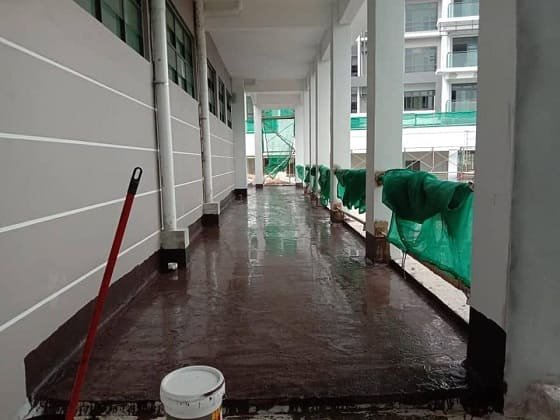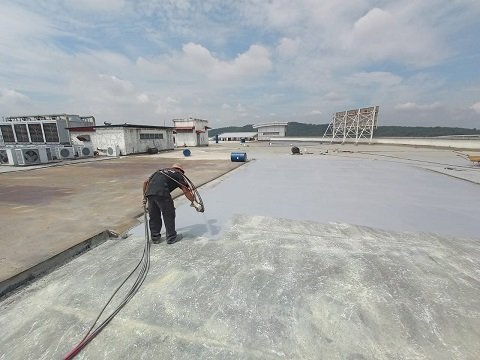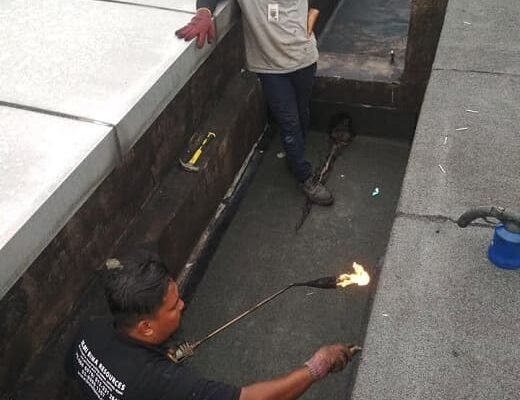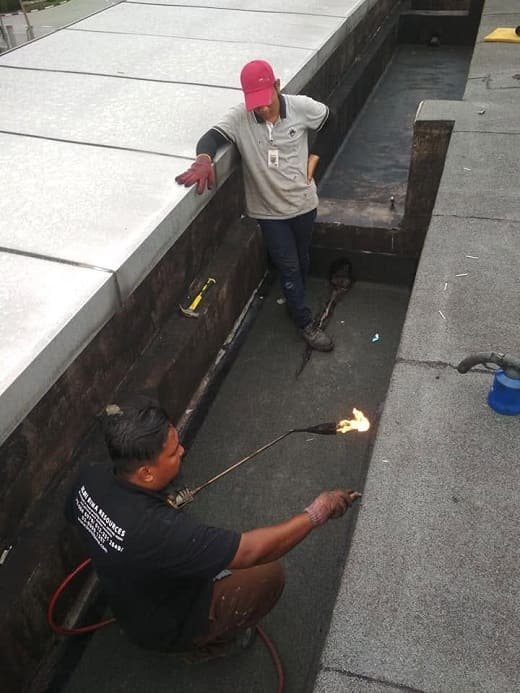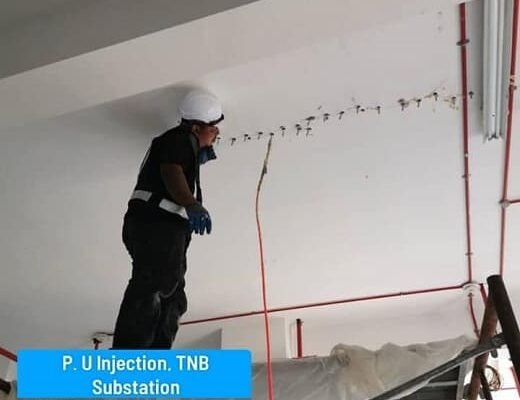
CIDB waterproofing contractor Malaysia roof waterproofing services

CIDB Waterproofing Contractor Malaysia: Registered Contractors, Waterproofing Services & How to Verify CIDB Status

CIDB Waterproofing Contractor Malaysia: Complete Guide to Registered Contractors, Verification, Waterproofing Services & Costs
CIDB waterproofing contractor Malaysia roof waterproofing services

Water leakage is one of the most frustrating building maintenance problems faced by homeowners, commercial property owners, developers and facility managers in Malaysia. From leaking concrete rooftops and bathrooms to basement seepage and damaged waterproofing membranes, water penetration can affect finishes, building materials and daily operations.

When selecting a contractor, many property owners search for a CIDB waterproofing contractor because they want a service provider whose construction registration can be checked through Malaysia’s official contractor registration system.

However, CIDB registration alone does not guarantee that a contractor is technically qualified for every waterproofing system or that every repair will be successful.

A reliable selection process should consider the contractor’s registration status, registered work categories, relevant experience, materials, repair methodology and project requirements.

This guide explains what CIDB registration means, how to verify a contractor, which waterproofing services are commonly required in Malaysia and what to consider before awarding a project.

What Is a CIDB Waterproofing Contractor?

A CIDB waterproofing contractor is a construction contractor whose registration with the Construction Industry Development Board of Malaysia (CIDB) can be checked and whose registered scope should be appropriate for the proposed waterproofing work.

CIDB is the statutory body responsible for regulating and developing Malaysia’s construction industry.

Under Section 25 of Act 520, contractors undertaking construction work in Malaysia are generally required to register with CIDB, subject to applicable statutory exemptions.

For waterproofing projects, customers should check three important matters:

  1. Registration validity: Whether the contractor’s CIDB registration is current.

  2. Grade and specialisation: Whether the registered scope is appropriate for the proposed project.

  3. Technical capability: Whether the contractor has relevant waterproofing experience, materials and installation procedures.

CIDB registration is an important compliance consideration, but it is not a substitute for proper technical evaluation.

CIDB B08 Waterproofing Specialisation

One particularly relevant CIDB specialisation is B08 – Pemasangan Bahan Kalis Air, meaning waterproofing material installation.

This specialisation appears under the B – Building category in CIDB’s contractor registration records.

A contractor tendering for waterproofing work should have its actual registration category and specialisation checked against the project’s requirements.

CIDB Registration Categories Relevant to Waterproofing

CIDB category or specialisation Description Potential relevance
B – Building Building construction works Overall building-related work
B08 Waterproofing material installation Waterproofing works
B06 Concrete structure repair Associated concrete repair
B24 Building maintenance Related building maintenance
B28 Renovation works Associated refurbishment

These classifications describe registered work scopes; they do not independently certify the quality of a particular waterproofing installation.

Understanding CIDB Contractor Grades G1 to G7

CIDB grades classify contractors according to registration requirements and permitted tender or project value limits.

CIDB grade General tender capacity limit
G1 Up to RM200,000
G2 Up to RM500,000
G3 Up to RM1 million
G4 Up to RM3 million
G5 Up to RM5 million
G6 Up to RM10 million
G7 No upper limit

The applicable eligibility rules, registration conditions and tender requirements should always be checked against current CIDB documentation.

Does a Higher CIDB Grade Mean Better Waterproofing?

Not necessarily.

A higher grade relates primarily to contractor registration capacity and eligibility, not a guarantee of better waterproofing workmanship.

For a small bathroom leakage repair, a suitably registered specialist with relevant experience may be more appropriate than a larger contractor whose main expertise lies elsewhere.

For major commercial or industrial waterproofing projects, contractor capacity, technical resources, project management and compliance requirements become especially important.

How to Verify a CIDB Waterproofing Contractor in Malaysia

CIDB provides official contractor search facilities that allow users to check registered contractor information.

Official CIDB contractor verification

Use the official directories rather than relying only on a contractor’s website or a photograph of a certificate.

Open CIDB Search Directory Open CIDB Contractor Search

Both official search facilities support contractor lookup using details such as company name or registration number, with filters for grade, category and specialisation.

ContractorSearch

Step-by-Step CIDB Verification

  1. Open the official CIDB contractor directory.

  2. Enter the contractor’s registered company name or CIDB registration number.

  3. Check that the company details match the quotation or contract.

  4. Confirm the registration is valid and not expired.

  5. Review the registered CIDB grade.

  6. Check the category and relevant specialisation, including B08 where required.

  7. Request a current registration certificate or additional documentation when necessary.

For government projects, additional procurement requirements may apply, including relevant certificates and tender conditions.

Why Hire a CIDB-Registered Waterproofing Contractor?

1. Registration Transparency

Customers can check contractor information through an official government system.

2. Better Procurement Documentation

CIDB details can be included in tender submissions, contractor assessments and project records.

3. Appropriate Work Classification

Checking the contractor’s registered scope helps customers evaluate whether the proposed work aligns with the contractor’s registration.

4. Improved Contractor Due Diligence

Registration checks can be combined with technical evaluation, project references and insurance requirements.

5. Suitability for Commercial Projects

Commercial property owners, developers and facility managers often require contractor documentation before work begins.

Nevertheless, a valid registration does not replace the need for sound repair specifications, supervision and quality control.

Waterproofing Services Commonly Offered by Specialist Contractors

1. Roof Waterproofing

Concrete rooftops are exposed to rainfall, sunlight and temperature changes.

Typical defects include failed membranes, concrete cracks, defective drainage and leaking parapet junctions.

Possible repair systems include suitable polyurethane coatings, liquid-applied membranes and sheet membranes.

2. Toilet and Bathroom Waterproofing

Bathroom leakage can damage ceilings and walls below wet areas.

Repairs may involve plumbing inspection, removal of damaged finishes, substrate preparation, waterproofing installation and reinstatement.

3. Balcony and Terrace Waterproofing

Balconies are vulnerable to leakage around door thresholds, drains, floor-to-wall corners and damaged membranes.

The selected system must suit outdoor exposure and the intended finish.

4. Basement Waterproofing

Basements may experience water seepage through concrete cracks, construction joints and defective waterproofing.

Suitable solutions may include membranes, PU injection and drainage improvements.

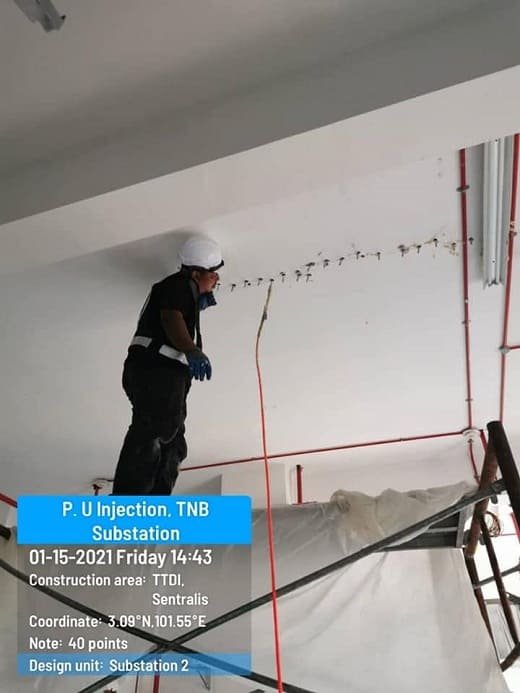
5. PU Injection Waterproofing

Polyurethane injection is used to seal certain water-bearing cracks and joints in concrete.

The resin must be selected according to leakage conditions and manufacturer specifications.

PU water-stopping foam should not be treated as structural reinforcement.

6. Waterproofing Membrane Installation

Membranes provide a protective barrier against water penetration.

Installation quality depends on surface preparation, seam treatment, junction detailing and compatibility with the substrate.

7. Concrete Crack and Leakage Repair

Cracks may require sealing, injection or concrete repair depending on their cause and movement.

Suspected structural cracks should be assessed by a qualified structural engineer.

8. Retaining Wall and Lift Pit Waterproofing

Underground structures may require specialised waterproofing due to groundwater exposure and water pressure.

The repair strategy should consider structural conditions and drainage.

Waterproofing Systems Used in Malaysia

Different waterproofing systems are designed for different substrates and exposure conditions.

Waterproofing system Typical applications Main considerations
Cementitious waterproofing Toilets, bathrooms, wet areas Flexibility, substrate preparation and curing
Polyurethane coating Rooftops, balconies, selected slabs UV exposure, thickness and moisture conditions
Bituminous membrane Roofs and below-ground structures Seams, bonding and detailing
PVC/TPO membrane Selected roofing systems Welding, terminations and penetrations
Polyurea coating Specialised industrial waterproofing Application equipment and substrate preparation
PU injection resin Leaking cracks and construction joints Resin selection and injection technique
Elastomeric coating Suitable external surfaces Weather resistance and movement limits

The correct system should be specified according to the building’s construction, the source of leakage and the required service conditions.

Professional Waterproofing Installation Process

Step 1: Initial Site Inspection

The contractor inspects the affected area, including existing coatings, membranes, cracks, drainage outlets and surrounding building components.

The inspection should identify whether leakage originates from the roof, plumbing, construction joints or another source.

Step 2: Leakage Investigation

The contractor evaluates the likely cause of water penetration.

Depending on the project, suitable testing may be required to establish the leakage pathway.

Step 3: Material and Method Selection

The waterproofing system is selected according to the substrate, exposure conditions, movement requirements and manufacturer specifications.

Step 4: Surface Preparation

Unsound concrete, loose coatings and contamination are removed.

Existing cracks or damaged substrates are repaired as specified.

Step 5: Critical Joint Treatment

Special attention is given to floor-to-wall junctions, parapets, drains, pipe penetrations and construction joints.

Step 6: Waterproofing Application

The selected primer, membrane, coating or injection resin is applied according to the approved work method.

Step 7: Curing and Protection

Materials are allowed to cure before additional finishes, traffic or water exposure.

Step 8: Quality Inspection and Testing

The completed installation is inspected. Suitable water testing may be carried out where practical and appropriate.

Step 9: Handover and Maintenance

The contractor provides relevant documentation and maintenance recommendations as agreed in the project scope.

CIDB Waterproofing Contractor vs General Waterproofing Applicator

Aspect CIDB-registered contractor Waterproofing applicator
CIDB registration Can be verified where registered Must be checked individually
Registered grade Listed in contractor records Not necessarily applicable to the individual worker
Registered specialisation Can be checked Depends on employing contractor
Installation experience Must be evaluated separately Must be evaluated separately
Product knowledge Depends on training and experience Depends on training and experience
Project suitability Depends on registration and technical capability Depends on contractual and technical arrangements

A contractor’s CIDB registration and an applicator’s product-specific training are different matters.

For specialised waterproofing products, customers may also request evidence of manufacturer training or approved-applicator status where relevant.

Waterproofing Contractor Price Malaysia

The cost of waterproofing depends on the repair requirements rather than CIDB registration alone.

Cost factor How it affects the quotation
Waterproofing area Determines material quantity and labour
Selected material Coatings, membranes and injection resins vary in cost
Existing surface condition Damaged substrates need additional preparation
Removal work Old membranes, tiles or screed may require removal
Crack repair Injection or concrete repairs add work
Accessibility Scaffolding and access equipment increase costs
Waterproofing details Drains, corners and penetrations require additional attention
Testing Inspection and water testing may be included
Finishing Retiling, screed and repainting affect the total

Does a CIDB-Registered Waterproofing Contractor Charge More?

Not necessarily.

A contractor’s quotation is influenced by the actual scope, materials, workforce, access requirements and project conditions.

Registration grade alone is not a reliable indicator of waterproofing price.

A detailed written quotation should identify the waterproofing system, surface preparation, application requirements and exclusions.

Waterproofing Contractor Selangor and Kuala Lumpur

Demand for waterproofing services is relevant across residential, commercial and industrial properties in Selangor and Kuala Lumpur.

Potential project locations include Shah Alam, Klang, Petaling Jaya, Subang Jaya, Puchong, Seri Kembangan, Kajang, Bangi, Cyberjaya and Kuala Lumpur.

Common property types include terrace houses, condominiums, offices, warehouses, factories and commercial buildings.

Property owners should verify a contractor’s registration and confirm whether its services are available at the specific project location.

Bumi Bina – CIDB-Registered Waterproofing Contractor Malaysia

Bumi Bina Resources (M) Sdn. Bhd. is a Malaysian construction and waterproofing company based in Seri Kembangan, Selangor.

The company’s published corporate profile states that it is registered with CIDB at Grade G2 and lists waterproofing systems, PU injection, concrete repair, flooring and building maintenance among its services.

Its website also publishes a CIDB registration number associated with Bumi Bina Resources.

Bumi Bina – Published CIDB Information

Company Bumi Bina Resources (M) Sdn. Bhd.
Published CIDB grade G2
Published registration number 0120120712-SL144100
Location Seri Kembangan, Selangor
These details come from company-published materials. Current registration validity, legal entity, grade and B08 specialisation have not been independently confirmed in a live CIDB company record. Verify them before using the information for tendering or procurement.Verify Registration on CIDB

Waterproofing Services to Enquire About

Bumi Bina’s published service information covers waterproofing systems and related repair work, including:

  • Roof and rooftop waterproofing

  • Bathroom and toilet waterproofing

  • Balcony and terrace waterproofing

  • Waterproofing membrane systems

  • PU injection and grouting

  • Concrete leakage repair

  • Retaining wall and lift pit waterproofing

  • Related concrete repair and building maintenance

The company website lists applications such as roofs, bathrooms, balconies, retaining walls, lift pits and underground structures.

Company: Bumi Bina Resources (M) Sdn. Bhd.

Address: 23-1, Jalan PUJ 3/9, Taman Puncak Jalil, 43300 Seri Kembangan, Selangor, Malaysia.

Phone: 012-684 6079 (En. Suhaimi)

Website: https://bumibina.com

Looking for a CIDB-registered waterproofing contractor in Malaysia? Contact Bumi Bina to discuss the waterproofing requirements, request current registration documents and arrange an assessment of the proposed work.

Questions to Ask Before Hiring a Waterproofing Contractor

Before awarding a waterproofing project, ask the contractor:

  1. Is your CIDB registration currently valid?

  2. What is your registered grade, category and specialisation?

  3. Does your registered scope cover the proposed waterproofing work?

  4. What is causing the leakage?

  5. Which waterproofing material do you recommend?

  6. What preparation and repair work is included?

  7. How will joints, drains and penetrations be treated?

  8. What inspection or testing will be carried out?

  9. What are the expected curing and completion times?

  10. What warranty conditions and exclusions apply?

These questions help customers compare quotations based on technical suitability and documented scope rather than price alone.

Common Mistakes When Choosing a Waterproofing Contractor

Assuming CIDB Registration Guarantees Workmanship

Registration is not proof that every waterproofing system will be installed correctly.

Failing to Check Registration Expiry

A previously registered contractor may not have a current valid registration.

Ignoring Registered Specialisation

Customers should check whether the contractor’s registered scope matches the work being tendered.

Selecting the Lowest Quotation Without Comparing Specifications

Different quotations may include different materials, thicknesses and preparation methods.

Repairing Symptoms Instead of Causes

Applying waterproof paint over a leaking surface may not resolve defective drainage, plumbing or construction joints.

Ignoring Structural Problems

Significant cracking or movement may require engineering assessment before waterproofing.

FAQ: CIDB Waterproofing Contractor Malaysia

– 1. What is a CIDB waterproofing contractor?

A CIDB waterproofing contractor is a construction contractor whose CIDB registration can be verified and whose registered work scope should be appropriate for waterproofing activities.

– 2. Is CIDB registration compulsory for waterproofing contractors in Malaysia?

Contractors undertaking construction work are generally required to register with CIDB under Act 520, subject to applicable exemptions. The requirements depend on the nature of the work.

– 3. What is CIDB B08?

B08 is the CIDB specialisation for waterproofing material installation, under the Building category.

– 4. How can I check a waterproofing contractor’s CIDB registration?

Use CIDB’s official contractor search directory and enter the company name or registration number. Review the validity, grade, category and specialisation.

– 5. What is the difference between CIDB G1 and G7?

CIDB grades distinguish contractor registration capacity and project value limits. G7 has no upper tender value limit, while lower grades have defined limits.

– 6. Does a higher CIDB grade mean better waterproofing?

No. Waterproofing quality depends on appropriate design, materials, experience, preparation, installation and quality control.

– 7. What waterproofing services can a registered contractor provide?

Depending on its registered scope and technical capabilities, services may include roof waterproofing, toilet waterproofing, membranes, PU injection and basement leakage repair.

– 8. How much does a CIDB waterproofing contractor charge?

Pricing depends on project size, materials, surface condition, access, repair complexity and testing requirements.

– 9. Can a CIDB contractor carry out PU injection waterproofing?

A contractor may undertake suitable PU injection work where its registration scope and technical capabilities meet the project requirements.

– 10. Is Bumi Bina a CIDB-registered waterproofing contractor?

Bumi Bina’s company-published profile states CIDB G4 registration and lists waterproofing services. Customers should verify its current registration status and relevant specialisation directly through CIDB.

Conclusion

Choosing a suitable CIDB waterproofing contractor involves more than finding a company that advertises waterproofing services.

Customers should verify current CIDB registration, review the contractor’s grade and relevant specialisation, and evaluate the proposed repair method.

For roof leakage, bathroom seepage, basement waterproofing and PU injection, the appropriate materials and installation procedures are essential.

A well-prepared waterproofing quotation should explain the leakage diagnosis, substrate preparation, selected system, application method, testing and finishing requirements.

For property owners, developers and facility managers in Malaysia, combining CIDB verification with proper technical due diligence provides a more informed basis for contractor selection.

Need waterproofing services in Selangor or Kuala Lumpur? Contact Bumi Bina at 012-684 6079 to discuss your project and request the relevant contractor documentation.

Call Us Now Your

CIDB Waterproofing Contractor in Malaysia 012–6846079 (Dato Suhaimi)

Call Now

wall waterproofing services Malaysia external wall leakage repair

Wall Waterproofing Services Malaysia: Expert Wall Leakage Repair, Damp Wall Treatment & Waterproofing Solutions

Wall Waterproofing Services Malaysia: Complete Guide to Leaking Wall Repair, Damp Wall Treatment, Waterproofing Systems & Costs

wall waterproofing services Malaysia external wall leakage repair

Water penetration through walls is a common building maintenance problem in Malaysia. From damp bedroom walls and peeling exterior paint to basement seepage and cracked concrete walls, moisture can damage finishes, reduce indoor comfort and contribute to the deterioration of building materials.

When these problems persist, professional wall waterproofing services may be needed to identify the cause and provide a suitable repair solution.

However, not every damp wall is caused by failed waterproofing. Moisture may enter through external cracks, defective window joints, damaged roof connections, leaking plumbing, condensation or moisture rising from the ground.

Applying waterproof paint without identifying the source may hide the symptoms temporarily while the underlying problem continues.

Effective wall waterproofing begins with a proper inspection, followed by selecting materials and repair methods that match the wall construction and moisture conditions.

This guide explains the causes of wall leakage, common waterproofing systems, professional repair methods, installation procedures, cost factors and how to choose a suitable waterproofing contractor in Malaysia.

What Are Wall Waterproofing Services?

Wall waterproofing services involve preventing or controlling unwanted water penetration through external walls, internal wet-area walls, concrete walls and below-ground structures.

Depending on the condition of the building, the work may include:

  • Exterior wall waterproofing
  • Internal wall moisture treatment
  • Concrete wall crack sealing
  • Wall leakage inspection
  • Waterproof coating application
  • Cementitious waterproofing
  • Polyurethane waterproofing
  • Waterproofing membrane installation
  • PU injection grouting
  • Basement wall waterproofing
  • Retaining wall waterproofing
  • Window perimeter sealing
  • Wall plaster and concrete repair
  • Protective coating and painting

The appropriate method depends on where the moisture originates and how it enters the building.

Waterproofing vs Damp-Proofing

Waterproofing is intended to resist water penetration under specified exposure conditions.

Damp-proofing is generally intended to control moisture migration where significant water pressure is not present.

A below-ground wall exposed to hydrostatic pressure may require a different system from an above-ground wall affected by wind-driven rain.

Why Wall Waterproofing Is Important in Malaysia

Frequent Rainfall

External walls are regularly exposed to rain, especially walls facing prevailing winds.

Defective cracks, joints and openings can allow water to penetrate.

High Humidity

Humidity can slow drying and contribute to persistent damp conditions.

However, high humidity alone does not prove that a wall has a waterproofing defect.

Concrete and Plaster Cracks

Cracks may develop because of shrinkage, temperature changes, settlement or structural movement.

Some cracks provide pathways for rainwater.

Ageing Sealants

Sealants around windows, doors and construction joints may deteriorate over time.

Plumbing Problems

Concealed water pipes and bathroom plumbing can cause dampness in adjacent walls.

Underground Water Pressure

Basement and retaining walls may experience seepage through cracks and joints.

Common Signs of Wall Water Leakage

Damp Patches

Darkened or persistently damp wall areas may indicate moisture penetration.

Peeling Paint

Moisture beneath paint can cause blistering, peeling and coating failure.

White Powdery Deposits

Efflorescence occurs when moisture transports soluble salts to a masonry or concrete surface.

Mould Growth

Persistent dampness can encourage mould growth, especially in poorly ventilated areas.

Cracked Plaster

Cracks may allow water entry, although not every plaster crack indicates leakage.

Musty Odours

A persistent musty smell may indicate hidden moisture.

Water Stains After Rain

Moisture that appears mainly during rainfall may suggest defects in external walls, windows or roof junctions.

Common Causes of Wall Leakage

1. External Wall Cracks

Rainwater may enter through cracks in render, masonry or concrete.

The appropriate repair depends on whether the crack is stable or moving.

2. Defective Window and Door Joints

Poorly sealed frames and openings can allow water to penetrate surrounding walls.

3. Failed Exterior Coatings

Deteriorated coatings may no longer provide the intended weather protection.

4. Roof and Parapet Junction Defects

Water may enter near roof edges and travel into the wall below.

5. Leaking Plumbing

Concealed pipe defects can produce damp patches even when it is not raining.

6. Rising Damp

Moisture may migrate upward through porous materials where suitable moisture barriers are absent or ineffective.

A proper diagnosis is important because rising damp requires a different treatment strategy from rain penetration.

7. Condensation

Warm, humid air can condense on sufficiently cool surfaces.

Condensation is not normally solved by applying an exterior waterproofing membrane.

8. Basement Water Pressure

Below-ground walls may experience water penetration through cracks, construction joints and defects in the external waterproofing system.

Types of Wall Waterproofing Systems

1. Cementitious Wall Waterproofing

Cementitious waterproofing uses cement-based materials to form a protective layer on compatible concrete or masonry surfaces.

It may be suitable for selected internal wet areas and below-ground applications.

Flexible and rigid formulations have different performance characteristics.

2. Polyurethane Waterproofing Coating

Polyurethane coatings can form a continuous protective membrane after curing.

Suitable formulations may be used for selected wall applications.

The product must be compatible with vertical installation, substrate conditions and environmental exposure.

3. Elastomeric Exterior Wall Coating

Elastomeric coatings are designed to provide flexible weather protection for suitable external wall surfaces.

Some products can bridge limited surface movement, subject to their specifications.

They should not automatically be used to treat serious structural cracks.

4. Waterproofing Membrane

Sheet or liquid-applied membranes can be used on certain wall systems, including below-ground structures.

Correct detailing around joints, penetrations and terminations is essential.

5. PU Injection Waterproofing

Polyurethane injection can help seal selected water-bearing cracks and joints in concrete walls.

It is particularly relevant to certain basement and retaining wall leakage problems.

6. Crack Sealants

Compatible sealants may be used for specific movement joints and cracks.

Their suitability depends on joint design, movement and exposure.

Wall Waterproofing Systems Comparison

System Typical application Main consideration
Cementitious waterproofing Wet areas and selected concrete walls Substrate compatibility and flexibility
Polyurethane coating Selected concrete and wall surfaces UV, movement and application conditions
Elastomeric wall coating Exterior walls Weather resistance and crack-bridging limits
Waterproofing membrane Below-ground and selected wall systems Joint and termination detailing
PU injection Leaking concrete cracks and joints Resin selection and injection technique
Joint sealant Window joints and movement joints Correct joint preparation and movement capacity

No single system is suitable for every wall leakage problem.

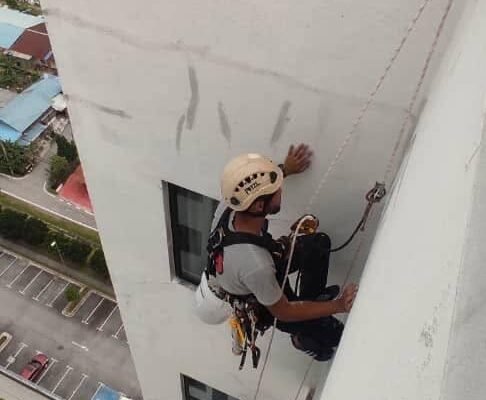
Exterior Wall Waterproofing Services

External walls are exposed to rain, sunlight and temperature changes.

Professional exterior wall waterproofing may involve:

  1. Inspecting cracks and damaged finishes.
  2. Checking window and door perimeter seals.
  3. Identifying defective roof-to-wall junctions.
  4. Removing loose coatings and render.
  5. Repairing suitable cracks and damaged substrates.
  6. Applying a compatible exterior protective system.
  7. Inspecting completed details.

Is Waterproof Paint Enough for Exterior Walls?

Waterproof or weather-resistant paint may be suitable for certain external surfaces.

However, it cannot reliably compensate for major cracks, defective construction joints or uncontrolled water entry from roofs and windows.

The underlying defect should be corrected before repainting.

Interior Wall Waterproofing and Damp Wall Treatment

Interior dampness requires careful diagnosis.

For example, a damp bedroom wall may result from rain penetration through the external wall, a leaking concealed pipe or condensation.

These problems require different solutions.

When the Cause Is External Rain Penetration

The preferred approach is generally to address the entry point on the external side where practical.

When the Cause Is Plumbing Leakage

The plumbing defect must be repaired before the wall is dried and reinstated.

When the Cause Is Condensation

Ventilation, humidity control and thermal conditions may need improvement.

When the Cause Is Rising Damp

The wall may require a moisture-control strategy appropriate to the construction, rather than ordinary waterproof paint.

Why Painting Over a Damp Wall Often Fails

Applying paint before resolving the moisture source can trap moisture or lead to recurring blistering and peeling.

The wall should be assessed and allowed to dry as appropriate before finishes are restored.

Basement Wall Waterproofing

Basement walls may be exposed to groundwater and hydrostatic pressure.

Potential waterproofing solutions include:

  • External waterproofing membranes
  • Suitable cementitious systems
  • PU injection for selected leaking cracks
  • Construction joint sealing
  • Drainage improvements
  • Concrete repair

The repair design should consider water pressure, structural movement and access to the affected side.

Retaining Wall Waterproofing

Retaining walls may experience moisture penetration through cracks and joints.

Waterproofing can be part of the solution, but drainage is also important.

A blocked or inadequate drainage system can increase water pressure behind the wall.

Significant cracking, movement or leaning requires assessment by a qualified structural engineer.

Professional Wall Waterproofing Process

Step 1: Site Inspection

The contractor examines damp areas, cracks, joints, openings and nearby building elements.

Step 2: Moisture Source Identification

The likely cause is investigated before selecting a repair method.

Step 3: Substrate Assessment

The wall surface is checked for loose plaster, damaged concrete, existing coatings and moisture conditions.

Step 4: Repair Specification

The contractor selects suitable materials and defines the repair scope.

Step 5: Surface Preparation

Unsound material, contamination and unsuitable coatings are removed.

Step 6: Crack and Joint Treatment

Cracks, penetrations and joints receive appropriate repair or sealing.

Step 7: Waterproofing Application

The selected waterproofing coating, membrane or injection system is installed according to the manufacturer’s requirements.

Step 8: Curing and Inspection

The repair is allowed to cure, and the completed work is inspected.

Step 9: Finishing and Reinstatement

Plaster, paint or other finishes are restored where included in the project scope.

Wall Waterproofing Price Malaysia

The cost of wall waterproofing depends on the source of leakage, repair method, surface condition and accessibility.

Cost factor Effect on quotation
Wall area Affects coating or membrane quantities
Leakage cause Plumbing, rain penetration and groundwater require different work
Crack severity May require sealing, injection or engineering assessment
Surface condition Loose plaster and damaged concrete need repair
Waterproofing system Materials differ in cost and application
Building height Scaffolding or access equipment may be required
Window and joint repairs Additional detailing may be necessary
Finishing work Replastering and repainting affect total cost
Testing Depends on the project requirements

How Much Does Wall Waterproofing Cost Per Square Foot?

Some contractors quote wall coating work by area.

However, the cost of repairing a leaking wall may include more than applying waterproofing material.

For example, a high-rise external wall with damaged joints may require access equipment and specialised sealing work, while an internal wall affected by a leaking pipe may require plumbing repair and reinstatement.

A site-specific quotation is the most reliable way to compare the actual scope of work.

How to Choose a Wall Waterproofing Contractor

Look for Relevant Experience

Choose a contractor familiar with the particular wall construction and leakage problem.

Request Proper Diagnosis

The contractor should distinguish between rain penetration, plumbing leakage, rising damp and condensation.

Review Proposed Materials

Ask whether the waterproofing system is suitable for vertical surfaces and the expected exposure.

Confirm Surface Preparation

Poor preparation can affect coating adhesion and repair performance.

Check the Work Scope

Ensure the quotation includes necessary crack treatment, joint sealing and finishing.

Review Safety Arrangements

External wall work at height requires suitable access and safety procedures.

Understand Warranty Terms

If a warranty is offered, review its duration, coverage and exclusions.

Wall Waterproofing Services in Selangor and Kuala Lumpur

Wall leakage problems can affect houses, apartments, condominiums, offices, factories and commercial buildings throughout the Klang Valley.

Relevant areas include:

  • Kuala Lumpur
  • Shah Alam
  • Klang
  • Petaling Jaya
  • Subang Jaya
  • Puchong
  • Seri Kembangan
  • Kajang
  • Bangi
  • Rawang

The type of property and source of leakage determine the appropriate waterproofing method.

Contractor availability should be confirmed for the specific project location.

Bumi Bina – Wall Waterproofing Services Malaysia

Bumi Bina Resources (M) Sdn. Bhd. is a Malaysian construction and waterproofing company based in Seri Kembangan, Selangor.

The company’s service categories include waterproofing systems, PU injection and grouting, concrete repair, protective coatings and building maintenance.

These services are relevant to different types of wall leakage and building deterioration.

Wall Waterproofing Solutions to Enquire About

Property owners, building managers and commercial facility operators can contact Bumi Bina to discuss:

  • External wall leakage repair
  • Concrete wall waterproofing
  • Basement wall seepage
  • Retaining wall waterproofing
  • PU injection for suitable leaking concrete cracks
  • Concrete crack and surface repair
  • Waterproofing coatings and membranes
  • Related building maintenance

The most appropriate solution depends on the cause of the moisture problem, the wall construction and site conditions.

Why Proper Leakage Diagnosis Matters

A wall that becomes damp during heavy rain may have a different problem from a wall that remains wet throughout dry weather.

For example, water entering through a damaged window seal may travel behind plaster before becoming visible inside a room.

Similarly, a basement wall may experience water pressure from the surrounding ground.

Treating both situations with the same waterproof paint would not address their different causes.

A suitable inspection helps determine whether the work requires crack sealing, joint repair, membrane installation, Polyurethane Injection Waterproofing or another approach.

Contact Bumi Bina

Company: Bumi Bina Resources (M) Sdn. Bhd.

Address: 23-1, Jalan PUJ 3/9, Taman Puncak Jalil, 43300 Seri Kembangan, Selangor, Malaysia.

Phone: 012-684 6079 (En. Suhaimi)

Website: https://bumibina.com

Need help with a leaking or damp wall? Contact Bumi Bina to discuss the symptoms, affected area and available waterproofing repair options.

Common Wall Waterproofing Mistakes to Avoid

Applying Waterproof Paint Without Fixing the Leak

A coating may fail if water continues to enter through cracks, plumbing or defective joints.

Ignoring Window and Door Seals

Poorly sealed openings can allow rainwater to enter the surrounding wall.

Treating Condensation as External Leakage

Condensation problems often require moisture and ventilation management rather than additional waterproofing.

Covering Structural Cracks

Large, widening or unusual cracks may indicate structural movement.

A qualified structural engineer should assess suspected structural defects.

Using Incompatible Materials

Some waterproofing products are unsuitable for damp substrates, exposed walls or particular types of existing paint.

Poor Surface Preparation

Loose paint, weak plaster and contamination can prevent proper adhesion.

Ignoring Drainage Problems

Waterproofing repairs may be ineffective if roof drainage or below-ground drainage defects remain unresolved.

Wall Waterproofing Maintenance Tips

Regular maintenance can help reduce water penetration and identify developing problems.

  • Inspect external wall cracks periodically.
  • Check window and door perimeter sealants.
  • Keep roof gutters and drains clear.
  • Repair plumbing leaks promptly.
  • Monitor recurring damp patches.
  • Maintain exterior protective coatings.
  • Inspect construction joints.
  • Address damaged plaster and concrete.
  • Improve ventilation where condensation is a problem.
  • Seek professional assessment when moisture persists.

FAQ: Wall Waterproofing Services Malaysia

  • 1. What are wall waterproofing services?Wall waterproofing services involve inspecting, repairing and protecting walls against unwanted water penetration using suitable coatings, membranes, sealants or injection systems.
  • 2. How much does wall waterproofing cost in Malaysia?Costs depend on wall size, leakage cause, material selection, accessibility, surface condition and repair scope. A site inspection is recommended.
  • 3. What is the best waterproofing material for exterior walls?Suitable elastomeric coatings, cementitious systems or other specified waterproofing materials may be used depending on the wall construction and exposure.
  • 4. Can waterproof paint stop wall leakage?Waterproof paint may help protect suitable surfaces, but it cannot reliably resolve major cracks, plumbing leaks or defective construction joints.
  • 5. Why is my wall damp even when it is not raining?Possible causes include plumbing leakage, condensation, rising damp or moisture retained within building materials.
  • 6. Can PU injection repair a leaking concrete wall?Yes, suitable polyurethane injection systems can seal certain water-bearing cracks and joints. They do not automatically restore structural strength.
  • 7. Is internal wall waterproofing better than external waterproofing?The preferred method depends on the moisture source. Where practical, controlling water entry at its source is generally preferable to simply covering the interior symptoms.
  • 8. How long does wall waterproofing take?The duration depends on the repair area, preparation, material application, curing and finishing requirements.
  • 9. Can waterproofing stop mould growth?Resolving water penetration can help reduce moisture conditions that encourage mould. Existing mould and other humidity sources may also require treatment.
  • 10. Does Bumi Bina provide wall waterproofing-related services?Bumi Bina lists waterproofing systems, PU injection, concrete repair and related building maintenance services. Contact the company to confirm the appropriate scope for your project.

Conclusion

Professional wall waterproofing services play an important role in protecting residential, commercial and industrial buildings from moisture penetration.

Whether the problem involves rainwater entering through external cracks, basement seepage, defective window joints or damaged waterproofing, the first step is to identify the actual cause.

Cementitious waterproofing, polyurethane coatings, waterproofing membrane, joint sealants and PU injection each have different applications.

The correct repair method should consider the wall construction, moisture conditions, structural integrity and environmental exposure.

For property owners in Selangor, Kuala Lumpur and other parts of Malaysia, timely inspection and suitable repairs can help prevent further deterioration and reduce recurring maintenance problems.

Looking for wall waterproofing services in Malaysia? Contact Bumi Bina at 012-684 6079 to discuss your wall leakage problem and suitable repair solutions.

Call Us Now..Your

Wall waterproofing services Specialist Contractor in Malaysia 012–6846079 (Dato Suhaimi)
Call Now

balcony waterproofing contractor Malaysia leaking balcony repair

Balcony Waterproofing Contractor Malaysia: Expert Balcony Leak Repair, Waterproofing Systems & Costs

Balcony Waterproofing Contractor Malaysia: Complete Guide to Balcony Leak Repair, Waterproofing Systems, Installation & Costs

balcony waterproofing contractor Malaysia leaking balcony repair

Balconies are among the most exposed areas of residential and commercial buildings. Rainfall, sunlight, temperature changes and daily use can gradually affect floor finishes, sealants, concrete joints and waterproofing membranes.

When a balcony begins leaking, water may penetrate the floor slab and cause damage to ceilings, walls, paintwork and interior finishes below.

For property owners searching for a professional balcony waterproofing contractor, identifying the actual cause of water penetration is the first step towards selecting an effective repair method.

A leaking balcony does not always mean the floor tiles are damaged. Water may enter through cracked grout, failed waterproofing beneath the tiles, poorly sealed door thresholds, drainage outlets, parapet junctions or concrete cracks.

Applying a waterproof coating over the visible surface without investigating these details may provide only limited results.

Professional balcony waterproofing involves assessing the substrate, identifying leakage pathways, selecting a compatible waterproofing system and ensuring that critical junctions are correctly treated.

This guide explains common balcony leakage problems, waterproofing materials, installation procedures, repair options, cost factors and how to choose a suitable contractor in Malaysia.

What Does a Balcony Waterproofing Contractor Do?

A balcony waterproofing contractor specialises in preventing or repairing water penetration through balcony floors, concrete slabs, wall junctions and related building details.

Depending on the project, the contractor may provide:

  • Balcony leakage inspection

  • Balcony floor waterproofing

  • Balcony concrete slab waterproofing

  • Waterproofing membrane installation

  • Polyurethane waterproofing coating

  • Cementitious waterproofing

  • Balcony crack sealing

  • Door threshold waterproofing

  • Drain outlet waterproofing

  • Balcony tile removal and reinstatement

  • Terrace waterproofing

  • Concrete repair

  • Waterproofing system replacement

The correct repair method depends on the balcony’s construction, existing finishes, drainage and source of leakage.

Why Balcony Waterproofing Is Important in Malaysia

Heavy Rainfall

Malaysia’s tropical climate exposes outdoor balconies to frequent rainfall.

Without an effective waterproofing system, water may penetrate vulnerable joints and defects.

Sunlight and Temperature Changes

Outdoor surfaces experience temperature fluctuations that can affect coatings, sealants and construction joints.

Concrete Cracking

Concrete slabs may develop cracks due to shrinkage, movement or other causes.

Some cracks become water pathways.

Deteriorating Tile Joints

Grout and sealant can deteriorate over time.

However, tile grout alone should not be relied upon as the primary waterproofing barrier.

Poor Drainage

Blocked outlets or inadequate falls can cause standing water and increase exposure to moisture.

Failed Waterproofing Membranes

Waterproofing layers beneath tiles may deteriorate or become damaged.

Common Signs of Balcony Water Leakage

Water Stains on the Ceiling Below

Brown or yellow stains may indicate water penetration from the balcony above.

Peeling Paint

Persistent moisture can cause paint blistering and peeling.

Damp Walls

Water may travel through floor-to-wall junctions or adjacent building components.

Cracked Balcony Tiles

Cracked tiles may indicate substrate movement, impact damage or other defects.

Loose or Hollow Tiles

Poor adhesion or prolonged moisture exposure may contribute to tile debonding.

Water Dripping After Rain

Leakage associated with rainfall can indicate a problem with balcony waterproofing, drainage or nearby external wall details.

Mould and Musty Odours

Persistent dampness can encourage mould growth in affected interior spaces.

Common Causes of Balcony Waterproofing Failure

1. Damaged Waterproofing Membrane

A failed membrane beneath the balcony tiles can allow water to reach the concrete slab.

2. Poor Floor-to-Wall Detailing

The junction between the balcony floor and surrounding walls is a critical waterproofing area.

3. Defective Door Thresholds

Water may enter through poorly sealed sliding-door tracks, thresholds or adjacent joints.

4. Drain Outlet Problems

Poorly detailed or blocked drains can allow water to accumulate and penetrate surrounding defects.

5. Concrete Cracks

Cracks in the slab may create leakage pathways.

6. Inadequate Surface Preparation

Waterproofing applied over contaminated or weak substrates may lose adhesion.

7. Incorrect Material Selection

Some products are not suitable for exposed balconies, constant moisture or movement.

Types of Balcony Waterproofing Systems

1. Cementitious Waterproofing

Cementitious waterproofing uses cement-based materials to form a protective layer over compatible substrates.

Flexible cementitious systems are commonly considered for tiled balconies.

Important considerations include:

  • Substrate preparation

  • Crack treatment

  • Floor-to-wall junction detailing

  • Compatibility with tile adhesives

  • Application thickness

  • Curing requirements

2. Polyurethane Balcony Waterproofing

Polyurethane waterproofing coatings can form a continuous membrane after curing.

Suitable formulations may be used for exposed or protected balcony applications.

The product must be selected according to UV exposure, expected movement, substrate condition and whether tiles will be installed above it.

3. Liquid-Applied Waterproofing Membrane

Liquid-applied membranes are installed as coatings that cure to form a waterproofing layer.

They can be useful for complex balcony shapes with corners and penetrations.

Correct application thickness and detailing remain essential.

4. Sheet Waterproofing Membrane

Sheet membranes are installed as prefabricated waterproofing layers.

Their performance depends on appropriate bonding, seams, junctions and penetrations.

5. Balcony Waterproofing Under Tiles

In tiled balcony systems, waterproofing is typically installed beneath the floor finish.

The system should be compatible with the screed, tile adhesive and selected tile installation method.

6. Exposed Balcony Waterproofing

Some balconies use exposed waterproofing coatings without a tile finish.

These systems require suitable weather resistance, wear resistance and slip characteristics.

Balcony Waterproofing Systems Comparison

System Typical application Main consideration
Flexible cementitious waterproofing Tiled balconies Compatibility with tile installation
Polyurethane coating Exposed or protected balconies UV, movement and surface conditions
Liquid-applied membrane Complex balcony details Thickness and curing
Sheet membrane Selected balcony systems Seams and junction detailing
Surface sealant Specific joints and gaps Not a replacement for complete waterproofing
PU injection Selected leaking concrete cracks Targeted repair only

No single waterproofing material is suitable for every balcony.

The correct system depends on construction details, drainage and intended finishes.

Can Balcony Waterproofing Be Done Without Removing Tiles?

This is one of the most common questions from homeowners and property managers.

Yes, some balcony leaks can be treated without removing all the tiles, but this is not suitable for every situation.

Possible methods include replacing failed joint sealants, repairing localised defects or applying a compatible surface waterproofing system where technically appropriate.

However, if the waterproofing membrane beneath the tiles has failed extensively, removing the existing finishes may be necessary.

When No-Hacking Waterproofing May Be Considered

A less invasive approach may be appropriate when:

  • The leakage source is localised and clearly identified.

  • The existing tiles and substrate are sound.

  • The repair material is compatible with the existing finish.

  • The defect involves a specific joint or penetration.

  • The drainage arrangement is functioning correctly.

When Tile Removal Is Recommended

Tile removal may be necessary when:

  • The concealed waterproofing membrane has failed.

  • Water is trapped beneath the tiles.

  • The screed is deteriorated.

  • Multiple areas are leaking.

  • Floor falls require correction.

  • The concrete slab requires substantial repair.

Important: Transparent sealers and grout treatments should not automatically be considered substitutes for a properly designed waterproofing membrane.

Professional Balcony Waterproofing Installation Process

Step 1: Balcony Leakage Inspection

The contractor examines the balcony floor, walls, drainage outlets, door thresholds and visible cracks.

The inspection should consider whether water is entering through the balcony itself or through nearby external walls.

Step 2: Identify the Leakage Source

Water testing or other suitable investigation methods may help identify the source.

Testing must be planned carefully to avoid causing additional damage.

Step 3: Remove Damaged Finishes

Where required, existing tiles, screed or deteriorated waterproofing layers are removed.

The extent of removal depends on the repair specification.

Step 4: Prepare the Concrete Substrate

The surface is cleaned and unsound material removed.

Cracks and damaged concrete are repaired as necessary.

Step 5: Check Balcony Drainage

The floor should direct water towards suitable drainage outlets.

If ponding occurs because of inadequate falls, the underlying drainage problem should be corrected.

Step 6: Treat Critical Junctions

Particular attention is given to:

  • Floor-to-wall corners

  • Parapet walls

  • Sliding-door thresholds

  • Drain outlets

  • Pipe penetrations

  • Construction joints

  • Changes in floor level

These locations often require reinforcement or specialised detailing.

Step 7: Apply Waterproofing System

The selected primer and waterproofing material are installed according to the manufacturer’s instructions.

Application thickness, coverage and curing requirements must be followed.

Step 8: Conduct Waterproofing Testing

Where appropriate, a controlled water test can help assess the installation.

The test method and duration should suit the construction and project requirements.

Step 9: Install Protective Screed or Tiles

For concealed waterproofing systems, compatible protective layers and finishes are installed.

Step 10: Final Inspection

The contractor checks the completed work, drainage and visible finishing details.

Balcony Waterproofing Price Malaysia

The cost of balcony waterproofing varies depending on the condition of the existing floor, the waterproofing system and the extent of repair.

Cost factor Impact on project price
Balcony size Determines material quantity and labour
Waterproofing material Cementitious, PU and membrane systems differ in cost
Tile removal Adds demolition and disposal work
Screed condition Damaged screed may require replacement
Concrete repair Cracks and spalling require additional treatment
Drainage correction May involve floor-level adjustments
Door threshold detailing Can require specialised repair work
Accessibility High-rise balconies may need additional safety arrangements
Tile reinstatement Material and workmanship affect cost
Testing Depends on the agreed project specification

How Much Does Balcony Waterproofing Cost Per Square Foot?

Some contractors calculate waterproofing by square foot or square metre.

However, the waterproofing rate alone may exclude hacking, concrete repairs, screed replacement, tiles and finishing work.

For example, a small balcony with extensive concealed damage may cost more to repair than a larger balcony with a sound substrate.

A detailed quotation is therefore more useful than relying on a generic advertised rate.

Balcony Waterproofing vs Terrace Waterproofing

Balconies and terraces have similar waterproofing requirements, but their construction and use may differ.

Feature Balcony waterproofing Terrace waterproofing
Typical location Attached to an upper-floor room Roof terrace or outdoor deck
Main exposure Rainfall and outdoor weather Rainfall, sunlight and foot traffic
Common defects Thresholds, drains and wall junctions Membrane failure, cracks and drainage
Typical systems Cementitious, PU or sheet membrane PU coating or suitable membrane
Main consideration Preventing leakage into rooms below Waterproofing larger exposed areas

The final system should be based on the actual design rather than the name of the area.

How to Choose a Balcony Waterproofing Contractor in Malaysia

Selecting the right contractor involves more than comparing the lowest quotation.

Check Relevant Experience

Look for contractors familiar with balcony and terrace waterproofing, especially projects involving concealed membranes beneath tiles.

Request a Leakage Assessment

A contractor should investigate the likely cause before recommending full waterproofing replacement.

Review the Waterproofing Materials

Ask for the proposed material’s technical data sheet and intended application.

Confirm the Repair Scope

Check whether the quotation includes tile removal, substrate repairs, waterproofing, drainage and reinstatement.

Ask About Testing

Understand what inspection or water testing will be carried out.

Review Warranty Conditions

Where a warranty is offered, confirm its scope, duration and exclusions.

Consider Building Safety

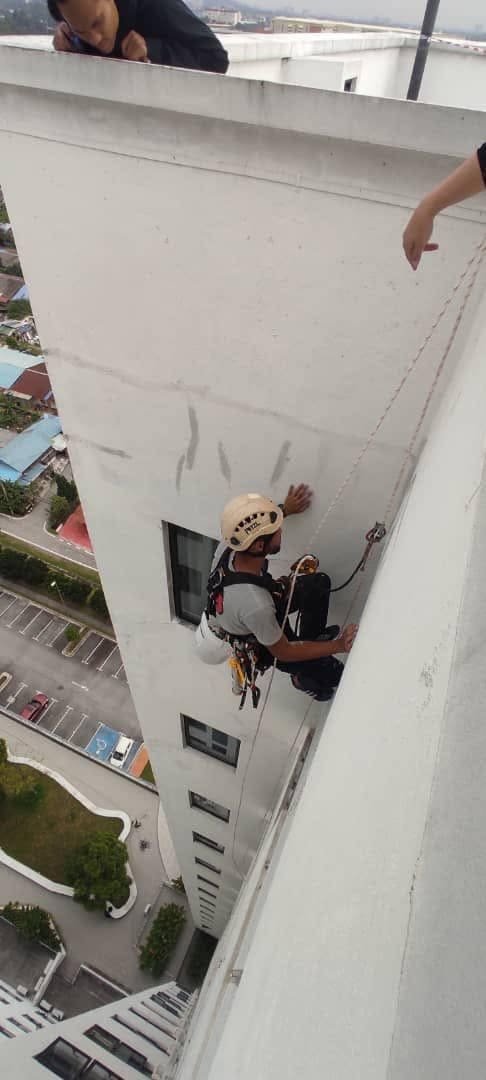
High-rise balcony work and concrete repairs require suitable safety arrangements.

Where cracks suggest structural movement or damage to load-bearing components, a qualified structural engineer should assess the condition.

Balcony Waterproofing in Selangor and Kuala Lumpur

Balcony waterproofing is relevant to various residential and commercial properties across the Klang Valley.

Potential project areas include:

  • Kuala Lumpur

  • Shah Alam

  • Petaling Jaya

  • Subang Jaya

  • Puchong

  • Seri Kembangan

  • Kajang

  • Bangi

  • Klang

  • Cyberjaya

Condominiums, apartments, terrace houses, townhouses and commercial buildings may require balcony leakage repair.

Contractor availability should be confirmed for the specific location.

Bumi Bina – Balcony Waterproofing Contractor Malaysia

Bumi Bina Resources (M) Sdn. Bhd. is a Malaysian waterproofing and construction company based in Seri Kembangan, Selangor.

The company’s official website specifically lists terraces and balconies among its waterproofing applications. Its published services include waterproofing systems, PU injection and grouting, and concrete repair.

Bumi Bina also describes waterproofing solutions involving coatings, membranes and cementitious materials.

Balcony Waterproofing Services to Enquire About

Property owners and building managers can contact Bumi Bina to discuss:

  • Balcony floor waterproofing

  • Terrace waterproofing

  • Concrete slab leakage

  • Waterproofing membrane replacement

  • Cementitious waterproofing

  • Polyurethane waterproofing

  • Concrete crack sealing

  • Related concrete repair work

The appropriate repair method, project scope and service availability should be confirmed after assessment.

Contact Bumi Bina

Company: Bumi Bina Resources (M) Sdn. Bhd.

Address: 23-1, Jalan PUJ 3/9, Taman Puncak Jalil, 43300 Seri Kembangan, Selangor, Malaysia.

Phone: 012-684 6079 (En. Suhaimi)

Website: https://bumibina.com

The address and contact number are also provided in the company’s published corporate profile.

Need help with a leaking balcony or terrace? Contact Bumi Bina to discuss the leakage symptoms, existing finishes and suitable waterproofing options.

Common Balcony Waterproofing Mistakes to Avoid

Applying Waterproof Paint Over Dirty Tiles

A coating may not bond properly to contaminated or unsuitable surfaces.

Ignoring Drainage Problems

A waterproofing membrane cannot correct poor floor falls or blocked outlets.

Relying Only on Tile Grout

Grout is not a replacement for a complete waterproofing system.

Neglecting Door Thresholds

Sliding-door thresholds are critical locations where water may enter adjacent rooms.

Using an Unsuitable Waterproofing Material

A product intended for concealed indoor wet areas may not be suitable for an exposed balcony.

Failing to Treat Cracks

Existing cracks should be assessed and repaired using an appropriate method before waterproofing.

Skipping Curing Requirements

Premature exposure to water or traffic can affect the performance of some waterproofing materials.

Balcony Waterproofing Maintenance Tips

Regular maintenance can help reduce the likelihood of recurring leakage.

  • Clean balcony drains regularly.

  • Remove leaves and debris from outlets.

  • Inspect sealants around doors and joints.

  • Monitor cracks in tiles and concrete.

  • Avoid drilling through waterproofing membranes.

  • Investigate persistent ponding.

  • Repair damaged tiles promptly.

  • Check ceilings and walls below the balcony for moisture.

  • Arrange professional inspection if leakage returns.

FAQ: Balcony Waterproofing Contractor Malaysia

– 1. What does a balcony waterproofing contractor do?

A balcony waterproofing contractor inspects and repairs water penetration through balcony floors, concrete slabs, joints, drains and related building details.

– 2. How much does balcony waterproofing cost in Malaysia?

Costs depend on balcony size, waterproofing material, tile removal, concrete condition, drainage and finishing requirements.

– 3. What is the best waterproofing system for a balcony?

Flexible cementitious waterproofing, polyurethane coatings and suitable membranes are common options. The best choice depends on the balcony construction and exposure.

– 4. Can balcony waterproofing be done without removing tiles?

Some localised defects can be treated without extensive tile removal. Widespread concealed membrane failure may require removing the existing finishes.

– 5. Why is my balcony leaking into the room below?

Possible causes include failed waterproofing, cracked concrete, defective drains, damaged joints or poorly sealed door thresholds.

– 6. Is polyurethane waterproofing suitable for balconies?

Yes, suitable polyurethane systems may be used for exposed or concealed balcony applications, subject to the product specification.

– 7. Can cracked balcony tiles cause water leakage?

Cracked tiles can allow more water to reach the layers beneath, but the primary waterproofing membrane should provide the main barrier.

– 8. How long does balcony waterproofing take?

Duration depends on the repair scope, tile removal, substrate preparation, waterproofing application, curing and reinstatement.

– 9. How can I prevent balcony leakage?

Maintain drainage, inspect sealants, repair defects promptly and ensure that an appropriate waterproofing system is installed.

– 10. Does Bumi Bina provide balcony waterproofing services?

Bumi Bina lists terraces and balconies among its waterproofing applications. Contact the company to confirm the appropriate solution for your property.

Conclusion

Choosing a professional balcony waterproofing contractor is important when dealing with water leakage through balcony floors, concrete slabs, drainage outlets and wall junctions.

Effective balcony waterproofing begins with identifying the source of leakage rather than simply covering the visible surface.

Flexible cementitious waterproofing, polyurethane coatings and waterproofing membrane can provide suitable solutions when selected and installed correctly.

Proper substrate preparation, drainage, detailing and curing are essential for achieving the intended performance.

For homeowners, condominium management bodies and commercial property owners, professional inspection can help determine whether a localised repair is sufficient or a complete waterproofing replacement is necessary.

Looking for balcony waterproofing services in Malaysia? Contact Bumi Bina at 012-684 6079 to discuss your balcony leakage problem and available repair options.

Call Us Now Your

Balcony Waterproofing Contractor Specialist in Malaysia 012–6846079 (Dato Suhaimi)
Call Now

waterproofing company Selangor roof leakage repair

Waterproofing Company Selangor: Professional Roof, Toilet, Basement & Building Waterproofing Services

Waterproofing Company Selangor: Complete Guide to Roof Waterproofing, Toilet Leakage Repair, PU Injection & Professional Waterproofing Services

waterproofing company Selangor roof leakage repair

Water leakage is a common problem affecting residential, commercial and industrial properties throughout Selangor. From leaking concrete rooftops and damp bathroom walls to basement seepage and damaged waterproofing membranes, uncontrolled water penetration can lead to expensive repairs and ongoing maintenance problems.

Choosing the right waterproofing company Selangor is essential for identifying the cause of leakage and selecting an appropriate long-term solution.

Waterproofing is not simply about applying waterproof paint over a damp surface. Different building areas require different materials, installation methods and repair strategies.

For example, a leaking bathroom may require cementitious waterproofing beneath the tiles, while an exposed rooftop may need a weather-resistant polyurethane coating or roofing membrane. Active water leakage through a basement construction joint may require polyurethane injection grouting.

A professional waterproofing contractor should assess the condition of the building, investigate the water source and recommend a suitable system.

This comprehensive guide covers waterproofing services in Selangor, commonly used materials, causes of leakage, installation methods, cost factors, contractor selection and maintenance recommendations.

What Does a Waterproofing Company in Selangor Do?

A waterproofing company provides specialised services designed to prevent or control water penetration through building elements.

Depending on its technical capabilities, a contractor may offer:

  • Roof waterproofing

  • Rooftop concrete waterproofing

  • Toilet and bathroom waterproofing

  • Balcony and terrace waterproofing

  • Basement waterproofing

  • Concrete slab waterproofing

  • Waterproofing membrane installation

  • Polyurethane waterproofing coating

  • Cementitious waterproofing

  • PU injection grouting

  • Retaining wall waterproofing

  • Lift pit waterproofing

  • Concrete crack sealing

  • Waterproofing repairs and replacement

The appropriate service depends on the source of leakage, construction details, substrate condition and exposure to water.

Waterproofing Contractor vs General Renovation Contractor

A general renovation contractor may handle tiling, painting and interior improvements.

A specialist waterproofing focuses on selecting and installing systems that resist water penetration.

Some contractors offer both services, but experience with the relevant waterproofing system remains important.

Why Waterproofing Is Important for Selangor Properties

Heavy Rainfall and Humidity

Selangor’s tropical climate exposes roofs, balconies and external building surfaces to frequent rain and moisture.

Waterproofing systems help protect vulnerable areas from water penetration.

Concrete Cracking

Concrete can develop cracks due to shrinkage, temperature changes, settlement, loading or movement.

Some cracks create pathways for water.

Ageing Waterproofing Membranes

Existing waterproofing layers may deteriorate because of weather exposure, mechanical damage or unsuitable installation.

Poor Roof Drainage

Blocked outlets and inadequate surface falls can lead to standing water.

Bathroom and Plumbing Leakage

Water may enter through defective floor traps, pipe penetrations, damaged joints or failed waterproofing beneath tiles.

Underground Water Pressure

Basements and retaining walls may experience water seepage through cracks and construction joints.

Types of Waterproofing Services in Selangor

1. Roof Waterproofing Selangor

Concrete roof slabs are exposed to direct sunlight, rainfall and temperature changes.

Common causes of roof leakage include:

  • Cracked concrete

  • Failed waterproofing membranes

  • Damaged parapet junctions

  • Defective roof drains

  • Pipe penetrations

  • Ponding water

  • Deteriorated coatings

Suitable waterproofing systems may include polyurethane coatings, liquid-applied membranes and sheet membranes.

The selection depends on roof design, surface condition and environmental exposure.

2. Rooftop Waterproofing

Commercial rooftops may accommodate air-conditioning equipment, water tanks and maintenance walkways.

These conditions create additional requirements for the waterproofing system.

An appropriate installation should address drainage, penetrations, parapet walls and protection against mechanical damage.

3. Toilet Waterproofing Selangor

Toilet leakage can damage ceilings and walls in adjacent or lower-level rooms.

Potential causes include failed waterproofing, leaking plumbing, damaged floor traps and cracked screed.

Repair may involve:

  • Leakage inspection

  • Plumbing repair where required

  • Tile and screed removal

  • Substrate preparation

  • Waterproofing installation

  • Appropriate testing

  • Reinstatement of finishes

The necessary steps depend on the actual defect.

4. Bathroom Waterproofing

Bathroom waterproofing protects shower floors, wet-area walls, floor-to-wall corners and pipe penetrations.

Cementitious or compatible liquid-applied waterproofing systems are commonly considered for suitable substrates.

5. Balcony and Terrace Waterproofing

Balconies and terraces can experience leakage through cracks, failed joints and damaged membranes.

The waterproofing system must be compatible with outdoor exposure, drainage and the selected floor finish.

6. Basement Waterproofing

Basements may experience seepage through concrete walls, floor slabs and construction joints.

Repair methods may include waterproofing membranes, PU injection, joint sealing and concrete repair.

7. PU Injection Waterproofing

Polyurethane injection uses suitable resin to seal selected water-bearing cracks or joints.

Certain products react with moisture and expand to restrict water movement.

PU injection is a leakage-control method and should not automatically be treated as structural strengthening.

8. Concrete Slab Waterproofing

Concrete slabs may require crack treatment, surface preparation and a compatible waterproofing membrane or coating.

For structural cracks, a qualified engineer should assess the underlying condition before repair.

Types of Waterproofing Systems Available in Malaysia

Waterproofing system Common applications Key considerations
Cementitious waterproofing Bathrooms, toilets and wet areas Flexibility and substrate compatibility
Polyurethane coating Rooftops, balconies and selected slabs UV resistance, thickness and moisture
Bituminous membrane Roofs and selected underground structures Seam quality and installation method
PVC/TPO membrane Certain roofing systems Joint welding and detailing
Acrylic waterproofing Selected exposed surfaces Product limitations and ponding water
Polyurea coating Specialised waterproofing applications Equipment and installation controls
PU injection resin Leaking concrete cracks and joints Resin selection and injection method

Cementitious Waterproofing

Cementitious systems use cement-based materials to create a waterproofing layer over compatible surfaces.

Flexible formulations are often considered for wet areas beneath tiles.

Polyurethane Waterproofing

Polyurethane coatings can form a continuous waterproofing membrane after curing.

Different formulations have different UV resistance, flexibility and application requirements.

Bituminous Waterproofing Membrane

Bituminous membranes are used in selected roofing and below-ground applications.

Correct detailing and seam installation are essential.

PVC Roofing Membrane

PVC roofing membranes are used in certain roof systems, where properly formed seams and penetrations are important.

PU Injection Grouting

PU injection is primarily a targeted treatment for suitable leaking cracks and joints rather than a replacement for a complete surface waterproofing system.

Waterproofing Coating vs Waterproofing Membrane

Both technologies can provide effective waterproofing when selected and installed correctly.

Feature Waterproofing coating Sheet waterproofing membrane
Material form Liquid before curing Prefabricated sheets
Application Roller, brush or spray Bonding, welding or mechanical installation
Seams Can create a continuous coating Requires correctly treated joints
Typical applications Bathrooms, balconies and selected rooftops Roofs, foundations and other structures
Main consideration Film thickness, curing and adhesion Seam integrity and detailing
Repair approach Localised recoating may be possible Membrane patching or replacement may be required

The right choice depends on the substrate, exposure conditions, project specifications and maintenance requirements.

Common Signs Your Property Needs Waterproofing Repair

Waterproofing defects are not always immediately visible. Property owners should investigate persistent symptoms before they become more serious.

Ceiling Water Stains

Yellow or brown stains may indicate water penetration from a roof, bathroom or plumbing system.

Peeling Paint and Plaster

Persistent moisture can cause paint blistering, plaster deterioration and damaged finishes.

Damp Walls

Moisture may enter through external walls, construction joints or leaking pipes. Condensation is another possible cause.

Water Dripping During Rain

Leakage associated with rainfall may indicate roofing defects, damaged membranes or poor drainage.

Mould and Musty Odours

Persistent dampness can encourage mould growth, especially in poorly ventilated spaces.

Cracks Around Roof Slabs

Visible cracks may become water pathways. Significant or moving cracks should be assessed before repair.

Professional Waterproofing Installation Process

Step 1: Site Inspection

The contractor examines the affected surface, surrounding building elements, drainage and existing waterproofing.

Step 2: Leakage Diagnosis

The likely water source is identified. The visible location of a leak may differ from its actual entry point.

Step 3: Material Selection

The contractor recommends a system based on the substrate, water exposure and required performance.

Step 4: Surface Preparation

Loose material, contamination and unsuitable existing coatings are removed. Damaged concrete is repaired where necessary.

Step 5: Crack and Joint Treatment

Corners, parapets, floor traps, pipe penetrations and construction joints receive appropriate detailing.

Step 6: Waterproofing Application

Primer, coating, membrane or injection resin is installed according to the selected manufacturer’s specifications.

Step 7: Curing and Protection

The waterproofing system is allowed to cure or stabilise before additional finishes or use.

Step 8: Inspection and Testing

The installation is checked, with suitable water testing conducted where practical and permitted.

Waterproofing Price Selangor: What Affects the Cost?

Waterproofing prices vary according to the building’s condition, the materials required and the complexity of the work.

Cost factor Impact on quotation
Area size Affects material quantities and labour
Waterproofing system Coatings, membranes and injection systems differ in cost
Surface condition Damaged substrates require additional preparation
Existing waterproofing Removal may be necessary
Crack repair Injection or concrete repair adds work
Accessibility High rooftops and confined spaces may need special arrangements
Hacking and retiling Affects bathroom repair costs
Drainage improvements May be necessary for persistent ponding
Testing and inspection Depends on project requirements

How Much Does Waterproofing Cost Per Square Foot in Selangor?

Some contractors quote by square foot or square metre, but the rate alone may not represent the total project cost.

A bathroom requiring tile removal, plumbing repair and screed reinstatement has a different scope from a rooftop that only needs a suitable coating over a sound substrate.

For accurate budgeting, request a written quotation covering surface preparation, materials, application thickness, critical detailing and finishing work.

Avoid relying on unusually low advertised rates without understanding what is included.

How to Choose a Reliable Waterproofing Company Selangor

Selecting a contractor should involve comparing technical suitability, not just price.

Relevant Waterproofing Experience

Look for experience with the specific problem, whether it involves rooftop leakage, bathroom seepage or basement waterproofing.

Proper Leakage Assessment

The contractor should investigate the likely cause rather than automatically recommending a new coating.

Suitable Waterproofing Materials

Ask which products will be used and whether they are appropriate for the intended application.

Clear Work Method

The proposal should describe preparation, crack treatment, membrane installation, curing and inspection.

Detailed Written Quotation

Check material specifications, inclusions, exclusions and reinstatement requirements.

Warranty Terms

Where a warranty is offered, review the duration, coverage, limitations and conditions.

Safety and Access Planning

Work at height, in confined spaces or near occupied areas requires appropriate safety controls.

Waterproofing Services Across Selangor

Waterproofing requirements differ across residential, commercial and industrial areas of Selangor.

Area Common property types Potential waterproofing requirements
Shah Alam Houses, offices, factories Roof leakage, industrial roof and concrete slab repairs
Klang Residential and industrial buildings Roof waterproofing, wall leakage and concrete repairs
Petaling Jaya Apartments, condominiums, offices Bathroom, balcony and rooftop waterproofing
Subang Jaya Houses, shops, commercial buildings Toilet leakage and roof waterproofing
Puchong Terrace houses, apartments, factories Roof slab, bathroom and balcony repairs
Seri Kembangan Residential and commercial properties Concrete waterproofing and leakage repair
Kajang Houses, apartments, commercial premises Roof, toilet and balcony waterproofing
Bangi Residential and industrial properties Rooftop and concrete leakage repairs
Cyberjaya Offices, apartments, commercial buildings Roof membrane and wet-area waterproofing
Rawang Residential and industrial buildings Roof leakage and waterproofing maintenance

These are examples of potential project needs, not claims about completed projects or confirmed service coverage.

A contractor’s availability should be checked for the specific property address.

Bumi Bina – Waterproofing Company Based in Selangor

Bumi Bina Resources (M) Sdn. Bhd. is a construction and waterproofing company based in Seri Kembangan, Selangor.

The company’s official website lists waterproofing systems, PU injection and grouting, concrete repair, painting, industrial flooring and building maintenance among its services.

Its waterproofing service information also covers roofs, bathrooms, kitchens, balconies, retaining walls, underground structures and lift pits.

Waterproofing Services to Enquire About

Property owners and facility managers can contact Bumi Bina to discuss:

  • Roof and rooftop waterproofing

  • Toilet and bathroom waterproofing

  • Balcony and terrace waterproofing

  • Waterproofing membrane installation

  • Polyurethane and cementitious waterproofing

  • PU injection and grouting

  • Concrete crack leakage repair

  • Basement and retaining wall waterproofing

  • Related concrete repair and building maintenance

The appropriate system and availability for each project should be confirmed after an assessment.

Why Choose a Contractor That Understands Different Waterproofing Systems?

Water leakage problems do not always have the same cause.

For example, a roof with a damaged membrane may require replacement of the failed waterproofing layer. A basement crack with active seepage may require a suitable injection resin. A bathroom leak may originate from a plumbing connection rather than the floor membrane.

Understanding these differences helps avoid unnecessary work and inappropriate repairs.

Contact Bumi Bina

Company: Bumi Bina Resources (M) Sdn. Bhd.

Address: 23-1, Jalan PUJ 3/9, Taman Puncak Jalil, 43300 Seri Kembangan, Selangor, Malaysia.

Phone: 012-684 6079 (En. Suhaimi)

Website: https://bumibina.com

Need waterproofing services in Selangor? Contact Bumi Bina to discuss your leakage problem, available repair methods and site assessment arrangements.

Common Waterproofing Mistakes to Avoid

Applying Waterproof Paint Without Finding the Cause

A surface coating may not resolve leaking pipes, damaged joints or widespread membrane failure.

Ignoring Surface Preparation

Poorly prepared concrete can affect adhesion and waterproofing performance.

Using an Unsuitable Product

A material intended for concealed bathroom applications may not be suitable for an exposed rooftop.

Neglecting Critical Junctions

Leaks frequently occur around drains, parapets, corners and pipe penetrations.

Ignoring Ponding Water

Waterproofing does not replace the need for effective drainage.

Insufficient Curing

Premature exposure to water or traffic may affect the performance of certain products.

Treating PU Injection as Structural Strengthening

Ordinary polyurethane water-stopping foam is intended to control leakage, not automatically restore the load-bearing capacity of damaged concrete.

Waterproofing Maintenance Tips for Selangor Properties

Regular inspection helps identify developing problems before they become more extensive.

  • Clean roof drains and rainwater outlets.

  • Inspect exposed waterproofing surfaces for damage.

  • Check sealants around penetrations.

  • Investigate recurring ceiling stains.

  • Repair plumbing leaks promptly.

  • Avoid damaging waterproofing membranes during renovation.

  • Monitor cracks and joints.

  • Keep records of previous waterproofing work.

  • Arrange professional assessment when leakage persists.

FAQ: Waterproofing Company Selangor

– 1. What services does a waterproofing company in Selangor provide?

Services may include roof waterproofing, bathroom waterproofing, basement leakage repair, membrane installation, PU injection and concrete leakage treatment.

– 2. How much does waterproofing cost in Selangor?

Costs depend on area size, material selection, surface condition, accessibility and repair requirements. A site-specific quotation provides a more meaningful estimate.

– 3. What is the best waterproofing system for a concrete roof?

Suitable polyurethane coatings or roofing membranes may be considered depending on roof design, drainage, exposure and substrate condition.

– 4. Can waterproofing repair a leaking toilet?

Yes, when the leak is caused by failed waterproofing. Plumbing defects must be repaired separately.

– 5. What is PU injection waterproofing?

PU injection involves injecting suitable polyurethane resin into water-bearing cracks or joints to help seal leakage pathways.

– 6. Is waterproofing coating better than waterproofing membrane?

Neither is universally better. Each has different installation requirements and applications.

– 7. How long does waterproofing installation take?

The duration depends on preparation, repair scope, project size, selected materials and curing time.

– 8. Can bathroom leakage be repaired without hacking tiles?

Some problems can be treated without extensive tile removal, but this depends on the actual source of leakage.

– 9. How do I choose a reliable waterproofing contractor?

Review relevant experience, proposed materials, leakage diagnosis, written quotations, installation methods and warranty terms.

– 10. Is Bumi Bina a waterproofing company in Selangor?

Yes. Bumi Bina is based in Seri Kembangan, Selangor, and its official website lists waterproofing systems, PU injection and related repair services.

Conclusion

Choosing a suitable waterproofing company Selangor is an important step in protecting residential, commercial and industrial properties from water penetration.

Effective waterproofing begins with identifying the source of leakage, understanding the building’s condition and selecting an appropriate repair method.

Polyurethane coatings, cementitious waterproofing, sheet membranes and PU injection systems each have different applications.

Proper surface preparation, detailing, installation and inspection are essential for reliable performance.

Whether your property is in Shah Alam, Klang, Petaling Jaya, Puchong, Subang Jaya, Seri Kembangan, Kajang or Bangi, an appropriate site assessment can help determine the required waterproofing work.

Looking for professional waterproofing services in Selangor? Contact Bumi Bina at 012-684 6079 to discuss your project and available solutions.

Waterproofing Company Selangor Specialist Contractor in Malaysia 012–6846079 (Dato Suhaimi)
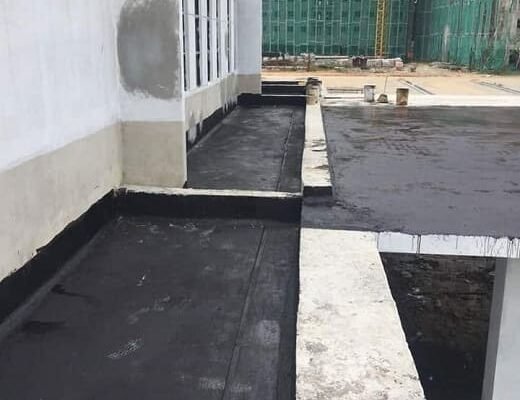
Call Now

building repair specialist Malaysia concrete restoration

Building Repair Specialist Malaysia: Professional Building Restoration, Concrete Repair, Waterproofing & Maintenance Services

Building Repair Specialist Malaysia: Complete Guide to Building Restoration, Concrete Repair, Waterproofing & Maintenance Services

building repair specialist Malaysia concrete restoration

Buildings require regular maintenance and timely repairs to remain functional, safe and comfortable. Over time, residential properties, commercial premises, factories, warehouses and office buildings may develop defects caused by moisture, ageing materials, structural movement, environmental exposure or everyday wear.

Common problems include leaking roofs, cracked concrete, damaged walls, concrete spalling, water seepage, deteriorating paint, corroded reinforcement and damaged building finishes.

For property owners and facility managers, hiring a professional building repair specialist can help identify the source of these problems and determine the most appropriate repair solution.

However, building repair is not simply about covering visible damage.

A cracked wall may result from ordinary material shrinkage, while another crack may indicate foundation movement or structural distress. Similarly, a leaking ceiling may originate from a damaged roof membrane, plumbing failure or defective construction joint.

Effective repair begins with understanding the underlying cause.

This guide explains the types of building repair services available in Malaysia, common building defects, repair methods, maintenance requirements, cost factors and how to select a suitable contractor.

What Is a Building Repair Specialist?

A building repair specialist is a contractor or technical service provider involved in inspecting, repairing and restoring damaged building components.

Depending on the company’s expertise, services may include concrete repair, waterproofing, roof leakage treatment, wall repairs, surface restoration and general building maintenance.

Typical repair work may involve:

  • Concrete crack repair

  • Concrete spalling repair

  • Roof leakage repair

  • Waterproofing membrane replacement

  • Wall leakage treatment

  • Ceiling repair

  • Concrete slab repair

  • Building facade restoration

  • Protective coating

  • PU injection grouting

  • Epoxy crack injection

  • Floor repair

  • Building refurbishment

  • Maintenance and remedial works

The appropriate service depends on the defect, building condition and whether structural performance is affected.

Building Repair Contractor vs Structural Engineer

A building repair contractor carries out specified repair work.

A qualified structural engineer assesses structural safety, load-bearing capacity and strengthening requirements when these issues are involved.

For serious cracks, unusual deflection, damaged columns or suspected foundation movement, engineering assessment should precede repair work.

Why Professional Building Repair Matters

Preventing Further Deterioration

Small defects can worsen when exposed to repeated moisture, movement or mechanical damage.

Protecting Building Components

Repairing damaged concrete and waterproofing can reduce further exposure of vulnerable materials.

Improving Occupant Safety

Loose concrete, falling finishes and unstable building components may create hazards.

Maintaining Property Functionality

Water leakage and damaged surfaces can disrupt residential, commercial and industrial activities.

Supporting Long-Term Maintenance

Planned repairs can form part of a broader building maintenance strategy.

Common Building Defects in Malaysia

1. Concrete Cracks

Cracks may occur due to shrinkage, temperature changes, settlement, loading or structural movement.

Not all cracks are structural, but their cause should be investigated.

2. Concrete Spalling

Concrete spalling occurs when concrete breaks or separates from the surrounding material.

Corrosion of reinforcement is one possible cause.

3. Roof Leakage

Roof leakage can result from failed waterproofing membranes, damaged roofing materials, poor drainage or defective joints.

4. Damp Walls

Wall dampness may originate from rain penetration, plumbing leaks, condensation or other moisture sources.

5. Ceiling Damage

Water stains, peeling paint and damaged ceiling boards can indicate moisture problems above the affected area.

6. Corroded Reinforcement

Steel reinforcement can corrode when the concrete’s protective conditions deteriorate.

Corrosion may contribute to cracking and spalling.

7. Building Facade Deterioration

External walls may experience cracked render, coating failure, loose finishes or water penetration.

8. Floor Damage

Industrial and commercial floors may develop cracks, surface wear, delamination or damaged joints.

Types of Building Repair Services

1. Concrete Repair Services

Concrete repair involves restoring damaged concrete using appropriate repair materials and methods.

Typical work may include removing unsound concrete, inspecting reinforcement, preparing the substrate and applying repair mortar or micro-concrete.

Material selection should consider compatibility, repair depth and service conditions.

2. Concrete Spalling Repair

Spalling repairs require attention to the cause of deterioration.

Simply covering exposed reinforcement with ordinary plaster may not address corrosion or the condition of surrounding concrete.

3. Structural Crack Repair

Cracks affecting load-bearing components may require engineering assessment.

Possible treatments include suitable epoxy injection, concrete repair or engineered strengthening systems.

4. Roof Waterproofing and Leakage Repair

Roof repairs may involve crack sealing, membrane replacement, drainage improvements or localised waterproofing treatment.

The correct method depends on the roof construction and source of leakage.

5. PU Injection Waterproofing

Polyurethane injection can be used to seal suitable water-bearing cracks and joints in concrete.

It is commonly considered for basement walls, retaining walls, lift pits and other structures with localised seepage.

Ordinary water-stopping PU foam should not be treated as structural reinforcement.

6. Wall and Facade Repair

External wall repairs may involve removing loose render, repairing cracks, replacing damaged finishes and applying compatible protective coatings.

High-rise facade work requires appropriate access and safety procedures.

7. Ceiling and Internal Finishing Repair

Ceiling repairs may include replacing damaged boards, repairing plaster and restoring painted surfaces.

The source of moisture should be resolved before cosmetic reinstatement.

8. Industrial Floor Repair

Factory and warehouse floors may require concrete patching, joint repairs, surface preparation or suitable protective flooring systems.

9. Building Maintenance and Refurbishment

Maintenance work may include surface restoration, painting, waterproofing, minor repairs and refurbishment of deteriorated areas.

Building Repair Methods Comparison

Repair method Primary purpose Suitable applications
Concrete repair mortar Restore damaged concrete Spalling and localised repairs
Micro-concrete Repair larger or deeper concrete areas Selected beams, columns and other elements
Epoxy injection Bond suitable stable cracks Specified concrete crack repairs
PU injection Seal water-bearing pathways Leaking cracks and joints
Waterproofing membrane Prevent water penetration Roofs, wet areas and selected structures
Protective coating Protect suitable surfaces Concrete and external finishes
Concrete jacketing Strengthen structural elements Engineer-designed strengthening
CFRP strengthening Increase specified structural capacity Engineer-designed applications
Industrial flooring Restore or protect floor surfaces Factories and warehouses

These methods are not interchangeable. The repair specification must match the defect and required performance.

Building Repair vs Building Renovation

Building repair and renovation are related but serve different purposes.

Aspect Building repair Building renovation
Primary objective Correct defects and deterioration Improve or change an existing space
Common work Crack repair, waterproofing, spalling repair Layout changes, new finishes, refurbishment
Main priority Restore functionality and required performance Improve appearance, usability or layout
Technical assessment Depends on defect severity Depends on proposed alterations
Structural engineer Needed where structural safety is involved Needed for relevant structural alterations

For example, repairing a leaking bathroom floor is building repair. Redesigning the entire bathroom is renovation, although both may be carried out within one project.

Building Repair Process: From Inspection to Completion

Step 1: Initial Building Inspection

The contractor identifies visible defects, affected areas and potential safety hazards.

Typical observations include cracks, water stains, damaged concrete, loose finishes and signs of corrosion.

Step 2: Defect Diagnosis

The likely causes are investigated before selecting repair materials.

A ceiling stain, for example, might originate from a leaking pipe, failed roof membrane or defective joint.

Step 3: Technical Assessment

The extent of investigation depends on the damage.

Structural distress, significant settlement or damage to load-bearing elements requires assessment by a qualified engineer.

Step 4: Repair Specification

A repair method is selected based on the substrate, cause of deterioration and required performance.

The specification should identify materials, preparation, application and inspection requirements.

Step 5: Safety and Access Planning

Work at height, concrete removal and repairs near occupied areas require suitable controls.

Temporary support may be necessary for certain structural repairs.

Step 6: Surface Preparation

Unsound materials are removed as specified. Surfaces are cleaned, and cracks or exposed reinforcement are treated as required.

Step 7: Repair Application

Appropriate repair mortar, injection resin, waterproofing material or protective coating is installed.

Step 8: Curing and Inspection

Materials are allowed to cure according to their technical requirements.

The completed work is inspected against the agreed specification.

Step 9: Finishing and Reinstatement

Affected plaster, paint, flooring or other finishes are restored where included in the scope.

Step 10: Maintenance Planning

The building owner receives recommendations for inspection and future maintenance.

Building Repair Costs in Malaysia

There is no universal price for building repair because defects vary in type, severity and accessibility.

Cost factor How it affects the quotation
Type of damage Surface defects differ from structural deterioration
Extent of repair Larger or deeper damaged areas need more resources
Investigation Testing or engineering assessment may be necessary
Materials Mortars, injection resins and membranes vary in cost
Building height Scaffolding or access equipment may be required
Concrete condition Reinforcement treatment and substrate repair add work
Occupancy Work in operating premises may require special scheduling
Waterproofing Additional water protection may be needed
Finishing Repainting and reinstatement affect the final cost

How Much Does a Building Repair Specialist Charge?

Some contractors quote concrete patching or painting by square metre, while other work is priced by repair location, injection point, crack length or an agreed project scope.

For instance, repairing a small damaged wall is not directly comparable to restoring a deteriorated concrete beam.

A meaningful quotation should explain what will be repaired, which materials will be used and whether any testing, access equipment or finishing work is included.

Avoid selecting a contractor solely on the lowest unit rate.

Building Repair for Different Property Types

Residential Building Repair

Terrace houses, apartments, condominiums and bungalows may require repairs to leaking bathrooms, cracked walls, roof slabs, balconies and damaged finishes.

The source of moisture should be resolved before repainting or replacing affected ceilings.

Commercial Building Repair

Office buildings, retail premises and mixed-use developments may require concrete repairs, facade maintenance, waterproofing and floor restoration.

Repairs may need to be scheduled to minimise disruption to tenants and visitors.

Industrial Building Repair

Factories and warehouses can experience floor deterioration, damaged joints, concrete defects and roof leakage.

The repair method must consider equipment loads, operational chemicals and production schedules.

High-Rise Building Repair

High-rise buildings may require external wall repairs, balcony waterproofing and concrete restoration.

Appropriate access equipment, exclusion zones and safety procedures are essential.

Older Building Restoration

Older properties may contain multiple layers of previous repairs and finishes.

Investigating the original construction and the cause of deterioration helps prevent repeated unsuccessful repairs.

Building Repair Services in Selangor and Kuala Lumpur

Building repair requirements are relevant to residential, commercial and industrial properties across Malaysia.

In the Klang Valley, common project locations include Kuala Lumpur, Shah Alam, Klang, Petaling Jaya, Subang Jaya, Puchong, Seri Kembangan, Kajang and Bangi.

Potential projects range from localised waterproofing and concrete patching to broader building refurbishment.

The appropriate contractor should be selected based on the actual work required, and service availability should be confirmed for the specific location.

How to Choose a Building Repair Specialist in Malaysia

A reliable selection process should consider more than advertising claims.

  • Relevant expertise: Choose a contractor with experience in the specific repair category.

  • Defect diagnosis: Ask how the contractor will identify the underlying cause.

  • Technical specification: Request the proposed materials and method statement.

  • Engineering involvement: Confirm that qualified engineers are engaged when structural capacity or safety is involved.

  • Safety procedures: Review access arrangements and controls for occupied areas.

  • Written quotation: Check inclusions, exclusions, reinstatement and testing.

  • Project references: Request examples of comparable completed work.

  • Warranty conditions: Review any offered warranty and its limitations.

A professional-looking finish alone is not evidence that an underlying structural or waterproofing defect has been resolved.

Bumi Bina – Building Repair and Maintenance Services Malaysia

Bumi Bina Resources (M) Sdn. Bhd. is a Malaysian construction and waterproofing company based in Seri Kembangan, Selangor.

Its official service listing includes concrete repair, waterproofing systems, PU injection and grouting, painting, industrial flooring, renovation and general civil building works, and building maintenance.

The company’s concrete repair page discusses crack repair, patching, overlays and resurfacing, while its building maintenance page describes services for residential, commercial and industrial properties.

These related services may be useful when a building requires several types of remedial work.

Building Repair Services to Enquire About

Property owners and facility managers can discuss:

  • Concrete crack and spalling repair

  • Waterproofing and leakage repair

  • PU injection and grouting

  • Roof and rooftop waterproofing

  • Protective coating and painting

  • Industrial flooring repair requirements

  • Building maintenance and refurbishment

  • Related civil building works

The precise scope, technical requirements and availability should be confirmed directly with the company.

Contact Bumi Bina

Company: Bumi Bina Resources (M) Sdn. Bhd.

Address: 23-1, Jalan PUJ 3/9, Taman Puncak Jalil, 43300 Seri Kembangan, Selangor, Malaysia.

Phone: 012-684 6079 (En. Suhaimi)

Website: bumibina.com

Need assistance with concrete damage, building leakage or maintenance work? Contact Bumi Bina to discuss the affected area, visible symptoms and suitable next steps.

Building repair Specialist Contractor in Malaysia 012–6846079 (Dato Suhaimi)
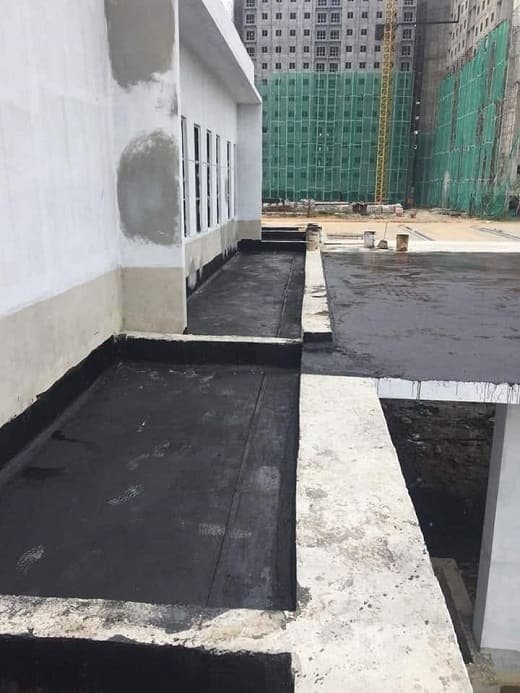
Call Now

Common Building Repair Mistakes to Avoid

Repairing Only Visible Damage

Repainting a damp wall without fixing the moisture source may result in recurring damage.

Ignoring Concrete Corrosion

Patching over corroded reinforcement without proper assessment and treatment may leave the underlying deterioration unresolved.

Using the Wrong Injection Material

PU injection for water stopping and epoxy injection for suitable crack bonding have different purposes.

Removing Concrete Without Assessing Safety

Concrete removal near load-bearing elements can create hazards if the repair sequence is not properly planned.

Neglecting Waterproofing

A concrete repair may deteriorate again if ongoing water penetration remains untreated.

Skipping Surface Preparation

Poor substrate preparation can cause coatings and repair materials to debond.

Choosing Repairs Based Only on Price

Different quotations may include different materials, preparation methods and levels of quality control.

Preventive Building Maintenance Checklist

Regular inspection can help identify developing defects before they become more extensive.

Building component Recommended inspection focus
Roof and rooftop Membrane damage, drainage, ponding
External walls Cracks, peeling coatings, loose finishes
Concrete beams and columns Spalling, corrosion stains, unusual cracking
Bathrooms Failed sealants, plumbing leakage, dampness
Balconies Cracks, joints, drainage
Basement Seepage, construction joints, damp areas
Industrial floors Cracks, damaged joints, surface wear
Ceilings Water stains, loose materials, mould
Drainage Blockages and damaged outlets

The inspection frequency should reflect the building’s age, exposure, condition and operational risks.

FAQ: Building Repair Specialist Malaysia

– 1. What does a building repair specialist do?

A building repair specialist helps inspect, repair and restore damaged building components, including concrete, waterproofing, walls, roofs and selected finishes.

– 2. How much does building repair cost in Malaysia?

Costs depend on the defect, extent of damage, materials, accessibility and technical requirements. A site-specific quotation is recommended.

– 3. Can cracked concrete be repaired?

Yes, many concrete cracks can be repaired, but the correct method depends on the crack’s cause, movement and structural significance.

– 4. What causes concrete spalling?

Concrete spalling may result from reinforcement corrosion, impact, poor concrete quality or other deterioration mechanisms.

– 5. Is PU injection suitable for building leakage?

Suitable polyurethane injection systems can seal certain water-bearing cracks and joints. They do not automatically restore structural strength.

– 6. What is the difference between building repair and renovation?

Building repair addresses damage and deterioration, while renovation generally changes or improves the existing space.

– 7. Can a building repair contractor fix roof leakage?

Contractors offering waterproofing services may repair roof leakage, depending on the cause and roof construction.

– 8. When is a structural engineer required?

A structural engineer should assess suspected damage affecting load-bearing capacity, stability or structural safety.

– 9. How long does building repair take?

Duration depends on investigation, access, repair extent, material curing and finishing requirements.

– 10. Does Bumi Bina provide building repair services?

Bumi Bina lists concrete repair, waterproofing, PU injection, building maintenance and related construction services. Contact the company to confirm the scope of a specific project.

Conclusion

Choosing a suitable building repair specialist is an important step towards maintaining the condition, safety and functionality of residential, commercial and industrial properties.

Effective building repair begins with identifying the underlying cause rather than simply covering visible defects.

Concrete repair, waterproofing, PU injection, protective coating and refurbishment each address different types of deterioration.

For serious structural defects, professional engineering assessment remains essential.

Looking for building repair services in Malaysia? Contact Bumi Bina at 012-684 6079 to discuss concrete damage, waterproofing problems or building maintenance requirements.

polyurethane injection waterproofing Malaysia concrete crack repair

Polyurethane Injection Waterproofing Malaysia: PU Grouting for Concrete Cracks, Basement Leaks & Water Seepage

Polyurethane Injection Waterproofing Malaysia: Complete Guide to PU Grouting, Concrete Leak Repair, Methods & Costs

polyurethane injection waterproofing Malaysia concrete crack repair

Water leakage through concrete structures is a common maintenance challenge in Malaysia. Basement walls, retaining walls, lift pits, concrete slabs and construction joints may develop cracks or defects that allow water to penetrate the building.

When conventional surface waterproofing is difficult to access or unsuitable for the leakage condition, polyurethane injection waterproofing may provide an effective repair option.

Also known as PU injection grouting, this method involves injecting specially formulated polyurethane resin into water-bearing cracks, joints or voids. Depending on the material, the resin reacts with moisture, expands or cures to help restrict water movement.

PU injection is widely considered for concrete leakage repairs because it can treat certain water pathways from an accessible side of the structure, without always requiring extensive excavation or removal of finishes.

However, polyurethane injection is not a universal solution for every leak. Its effectiveness depends on the source of water penetration, resin selection, crack characteristics, injection technique and condition of the surrounding concrete.

This guide explains how polyurethane injection works, the differences between hydrophilic and hydrophobic resins, common applications, installation procedures, advantages, limitations and factors affecting waterproofing costs in Malaysia.

What Is Polyurethane Injection Waterproofing?

Polyurethane injection waterproofing is a method of sealing water pathways in concrete or masonry using injected polyurethane-based materials.

A contractor typically drills injection ports near a leaking crack or joint, installs mechanical or surface-mounted packers and injects resin under controlled pressure.

The resin enters accessible pathways and cures or reacts with water, forming a seal intended to reduce or stop leakage.

The specific behaviour depends on the formulation.

Some polyurethane resins expand into foam, while others form flexible, non-foaming seals.

How Does PU Injection Stop Water Leakage?

The process generally involves:

  1. Identifying the leakage pathway.

  2. Selecting a compatible polyurethane resin.

  3. Installing injection packers.

  4. Injecting resin at controlled pressure.

  5. Allowing the resin to react or cure.

  6. Checking whether leakage has stopped.

  7. Sealing injection holes and completing the surface.

Successful injection requires the resin to reach the actual water pathway.

Simply injecting resin into an arbitrary location does not guarantee that a leak will be sealed.

Types of Polyurethane Injection Resin

Polyurethane injection materials differ significantly in their chemical behaviour, flexibility and intended applications.

1. Hydrophilic Polyurethane Injection

Hydrophilic polyurethane grout interacts with water and may form a flexible gel or foam, depending on the formulation.

Certain products are designed to remain flexible and accommodate limited movement.

Potential applications include water-bearing joints and selected concrete leakage pathways.

However, long-term performance can depend on moisture conditions and the specific product.

2. Hydrophobic Polyurethane Injection

Hydrophobic polyurethane grout generally repels water after curing.

Certain hydrophobic systems react with moisture to produce an expanding foam.

These products are often considered for active water leakage where rapid water stopping is required.

The resulting foam’s structure, flexibility and durability depend on the resin formulation.

3. Flexible Polyurethane Resin

Flexible injection resins may be used where the repair needs to accommodate limited movement.

They are not automatically suitable for every moving structural joint.

4. Water-Reactive PU Foam

Water-reactive polyurethane foam expands when it encounters moisture.

Expansion can help the material fill accessible leakage pathways.

Nevertheless, uncontrolled expansion or excessive injection pressure can damage weak substrates, so injection must be carried out carefully.

Hydrophilic vs Hydrophobic PU Injection

Feature Hydrophilic PU Hydrophobic PU
Relationship with water Interacts with water Cured material generally repels water
Cured form Gel or foam, depending on product Foam or solid resin, depending on product
Flexibility Product-dependent Product-dependent
Typical use Selected wet cracks and joints Active leakage and selected crack sealing
Moisture requirements May affect long-term performance Depends on formulation and curing mechanism
Key consideration Water exposure and material stability Expansion behaviour and substrate compatibility

Neither category is universally superior. Resin selection must be based on the actual leakage condition and the manufacturer’s technical data.

Common Applications of Polyurethane Injection Waterproofing

1. Basement Waterproofing

Basements can experience water penetration through concrete walls, floor slabs and construction joints.

PU injection may be used to treat identified leakage pathways where access is available.

2. Retaining Wall Leakage Repair

Retaining walls can develop cracks and leaking joints due to water pressure, movement or construction defects.

Polyurethane injection can be considered for suitable water-bearing defects, although drainage and structural conditions may also need attention.

3. Lift Pit Waterproofing

Lift pits may experience seepage through floor-to-wall junctions, cracks and construction joints.

PU injection is one potential treatment, subject to safe access and appropriate waterproofing design.

4. Concrete Slab Leakage Repair

Concrete roof slabs, podium slabs and other concrete surfaces may leak through cracks or joints.

Injection can be useful for selected defects, but it does not replace a failed waterproofing membrane across a large area.

5. Construction Joint Waterproofing

Construction joints can become leakage pathways when waterstops or other sealing details fail.

Injection may help seal accessible defects, depending on the joint’s movement and water conditions.

6. Underground Structures

Selected tunnels, utility structures and underground facilities may use injection grouting to address localised seepage.

These projects may require specialist engineering, access and safety procedures.

7. Water Tank Leakage Repair

Certain polyurethane injection materials may be suitable for selected tank defects, but potable-water applications require products with the appropriate approvals and compatibility.

A standard PU foam should not automatically be used in drinking-water storage structures.

PU Injection vs Epoxy Injection

Polyurethane and epoxy injection serve different purposes.

Feature PU injection Epoxy injection
Primary purpose Sealing suitable water pathways Bonding suitable stable cracks
Reaction with water Certain products are water-reactive Many systems require controlled moisture conditions
Flexibility Depends on formulation Typically relatively rigid
Expansion Some systems expand Generally non-expanding
Active water leakage Certain systems are suitable Usually requires separate water control
Structural bonding Ordinary PU water-stop foam is not structural reinforcement Suitable structural-grade epoxy may restore bonding under specified conditions

Important: Stopping water leakage is not the same as restoring the structural capacity of damaged concrete.

Where a crack may indicate structural movement or reduced load-bearing capacity, assessment by a qualified structural engineer is necessary.

Benefits of Polyurethane Injection Waterproofing

1. Targeted Leakage Repair

PU injection can treat specific cracks and joints without always requiring the removal of a large waterproofing area.

This is particularly useful when the leaking surface is difficult to access from the water-facing side.

2. Suitable for Certain Active Water Leaks

Water-reactive PU resins can expand when exposed to moisture, making selected products suitable for active water leakage.

3. Reduced Surface Disruption

Compared with removing large areas of concrete or finishes, injection may require relatively small drilling points.

However, accessibility and the actual defect determine how invasive the repair will be.

4. Flexible Material Options

Certain polyurethane resins remain flexible after curing, allowing them to accommodate limited movement.

The degree of movement that can be tolerated must be verified against the selected product’s specifications.

5. Applications in Underground Structures

PU injection can be useful for basement walls, retaining walls and lift pits where excavation may be difficult or expensive.

6. Compatible with Broader Waterproofing Repairs

Injection can be combined with joint sealing, concrete repair, drainage improvements or membrane replacement where required.

Limitations of PU Injection Waterproofing

Although polyurethane injection offers several advantages, it is important to understand its limitations.

  • It may not be suitable for widespread membrane failure.

  • It does not automatically repair leaking plumbing.

  • Some foam systems are intended primarily for temporary water stopping.

  • Water can migrate to another untreated pathway.

  • Poor injection technique can result in incomplete sealing.

  • Excessive pressure can damage weak concrete or joints.

  • Ordinary PU water-stop foam does not restore structural load-bearing capacity.

  • Some applications require additional sealing with non-foaming resin.

Professional PU Injection Waterproofing Process

Step 1: Leakage Inspection

The contractor inspects the affected area to identify the probable water pathway.

Signs may include active dripping, damp patches, water stains and visible cracks.

The inspection should also consider plumbing, drainage and existing waterproofing defects.

Step 2: Assessment of Concrete Condition

The contractor examines the crack location, substrate condition and accessibility.

If the crack indicates possible structural movement or distress, a qualified structural engineer should assess it.

Step 3: Resin Selection

The appropriate polyurethane resin is selected based on water flow, crack conditions, movement and the intended permanence of the repair.

Step 4: Injection Point Preparation

Drilling locations are marked so the packers can intercept the targeted crack or joint.

The spacing and drilling angle depend on the substrate and injection method.

Step 5: Installation of Injection Packers

Mechanical packers or another suitable injection arrangement are installed.

The packers provide controlled access for the resin.

Step 6: Controlled Resin Injection

The contractor uses appropriate injection equipment to deliver resin into the leakage pathway.

Injection pressure, sequence and resin consumption must be monitored.

Excessive pressure should be avoided.

Step 7: Resin Reaction and Curing

The resin reacts or cures according to its formulation.

Water-reactive products may foam and expand, while non-foaming resins can form a flexible seal.

Step 8: Leakage Verification

The repaired area is inspected for continuing water penetration.

Additional injection or a different treatment may be necessary if leakage persists.

Step 9: Packer Removal and Surface Finishing

Injection ports are removed or trimmed as appropriate, and drilling holes are sealed.

The surface is then finished according to project requirements.

PU Injection Waterproofing vs Conventional Waterproofing

Feature PU injection waterproofing Surface waterproofing membrane
Main function Seals targeted water pathways Protects a defined surface area
Access May be performed from accessible side Generally requires access to installation surface
Common applications Cracks, joints, localised leaks Roofs, bathrooms, basements and slabs
Surface removal Sometimes limited May require extensive preparation
Treatment area Localised defects Continuous waterproofing coverage
Limitation Cannot replace every failed membrane May not resolve concealed structural leakage without repairs

These methods can complement one another.

For example, a leaking rooftop may require both crack treatment and replacement of a deteriorated waterproofing membrane.

How Much Does Polyurethane Injection Waterproofing Cost in Malaysia?

The price of PU injection waterproofing in Malaysia depends on the actual leakage conditions and repair requirements.

Unlike standard surface coatings, injection work cannot always be estimated accurately using floor area alone.

Cost factor Effect on pricing
Number of injection points Affects drilling, packers and labour
Crack length and depth Influences injection arrangement
Resin type Different formulations have different material costs
Water pressure Can affect resin selection and work complexity
Accessibility Confined or elevated areas may require additional arrangements
Concrete condition Weak or damaged concrete may require separate repairs
Injection volume Actual resin consumption varies
Additional waterproofing Membrane or joint repairs may be necessary
Testing and inspection Depends on project specifications

Is PU Injection Cheaper Than Waterproofing Membrane Replacement?

For a suitable localised leak, injection may require less surface removal than a complete membrane replacement.

However, it is not necessarily cheaper or more effective for every project.

If a rooftop membrane has failed across a large area, repeated localised injections may not address the underlying problem.

A contractor should compare the repair options after inspecting the site.

Common Reasons PU Injection Repairs Fail

Incorrect Leakage Diagnosis

Water may travel through hidden pathways before appearing on a wall or ceiling.

Treating the visible stain rather than the actual defect can result in unsuccessful repairs.

Unsuitable Resin

A resin selected without considering water flow, movement and environmental conditions may not perform as required.

Poor Packer Positioning

If the injection point does not intercept the leakage pathway, resin may fail to reach the intended area.

Excessive Injection Pressure

High pressure can damage weak concrete, open existing defects or cause uncontrolled resin movement.

Incomplete Resin Penetration

The injected material may not reach all connected leakage pathways.

Ignoring Structural Movement

Active structural movement can cause new cracks or reopen previously treated areas.

Treating Temporary Foam as a Complete Permanent Repair

Some water-reactive foams are intended to stop flowing water before a second, permanent sealing material is injected.

The complete repair procedure must follow the selected manufacturer’s requirements.

Polyurethane Injection Waterproofing in Kuala Lumpur and Selangor

PU injection services may be relevant to residential, commercial and industrial properties across Malaysia.

In Kuala Lumpur and Selangor, common project types include:

  • Basement leakage in commercial buildings

  • Retaining wall seepage

  • Underground car park leakage

  • Lift pit water penetration

  • Concrete slab cracks

  • Construction joint leakage

  • Selected factory and warehouse concrete defects

Relevant locations include Kuala Lumpur, Shah Alam, Klang, Petaling Jaya, Subang Jaya, Puchong, Seri Kembangan, Kajang and Bangi.

The availability of a contractor for a particular site should be confirmed directly.

Bumi Bina – PU Injection Waterproofing Contractor Malaysia

Bumi Bina Resources (M) Sdn. Bhd. is a Malaysian waterproofing and construction company based in Seri Kembangan, Selangor.

The company specifically lists PU Injection / Grouting System among its services and maintains a dedicated page covering polyurethane injection waterproofing.

bumibina.com
+1

Its listed service categories also include waterproofing systems, concrete repair and building maintenance.

PU Injection Services to Enquire About

Property owners and facility managers can contact Bumi Bina regarding:

  • Concrete crack leakage

  • Basement water seepage

  • Retaining wall leakage

  • Lift pit waterproofing

  • Construction joint leakage

  • Concrete slab leakage

  • PU injection grouting

  • Related waterproofing and concrete repairs

The appropriate repair method, material and project availability should be confirmed after assessment.

Contact Bumi Bina

Company: Bumi Bina Resources (M) Sdn. Bhd.

Address: 23-1, Jalan PUJ 3/9, Taman Puncak Jalil, 43300 Seri Kembangan, Selangor, Malaysia.

Phone: 012-684 6079 (En. Suhaimi)

Website: https://bumibina.com

For more information about the company’s PU injection services, visit its dedicated page:

PU Injection Waterproofing & Polyurethane Grouting System Malaysia

Need help with concrete leakage? Contact Bumi Bina to discuss the symptoms, location and available repair options.

Call Us Now Your

Polyurethane injection waterproofing Specialist Contractor in Malaysia 012–6846079 (Dato Suhaimi)
Call Now

Maintenance After Polyurethane Injection Repair

After the injection work is completed, periodic inspection can help identify recurring moisture problems.

Recommended practices include:

  • Monitor the repaired crack or joint.

  • Inspect for new damp patches.

  • Maintain drainage systems.

  • Repair plumbing defects promptly.

  • Avoid drilling into repaired areas without checking their condition.

  • Inspect adjacent construction joints.

  • Record the repair location and materials used.

  • Seek further assessment if leakage returns.

A successful localised injection repair does not eliminate the need to maintain the building’s overall waterproofing and drainage systems.

FAQ: Polyurethane Injection Waterproofing Malaysia

– 1. What is polyurethane injection waterproofing?

It is a method of injecting polyurethane-based resin into suitable cracks, joints or voids to help stop water penetration.

– 2. How does PU injection waterproofing work?

Resin is injected through packers into a targeted leakage pathway. Depending on the formulation, it reacts with water or cures to form a seal.

– 3. How much does PU injection cost in Malaysia?

Costs depend on injection points, resin type, leakage severity, access and repair scope. A site inspection is recommended for accurate pricing.

– 4. Is PU injection suitable for basement leaks?

Yes, selected polyurethane injection systems can treat suitable basement cracks and construction joints. The cause and water pressure must be assessed.

– 5. What is the difference between hydrophilic and hydrophobic PU grout?

Hydrophilic formulations interact with water, while cured hydrophobic formulations generally repel water. Their actual performance depends on the product.

– 6. Can PU injection repair concrete cracks?

PU injection can seal certain leaking cracks, but ordinary water-stopping PU foam does not automatically restore structural strength.

– 7. Is polyurethane injection waterproofing permanent?

Some injection systems are designed for long-term sealing, while certain foaming resins are used for temporary water stopping before additional treatment.

– 8. Can PU injection stop active water leakage?

Certain water-reactive polyurethane products are designed to stop active water penetration in suitable cracks and joints.

– 9. Is PU injection better than epoxy injection?

Neither is universally better. PU is commonly selected for water sealing, while suitable epoxy injection systems may be used for structural bonding of stable cracks.

– 10. Does Bumi Bina provide polyurethane injection waterproofing?

Yes. Bumi Bina lists PU injection and grouting among its waterproofing-related services. Contact the company to confirm the appropriate repair method for your project.

Conclusion

Polyurethane injection waterproofing is a useful technique for treating water penetration through selected concrete cracks, construction joints and voids.

Its ability to deliver resin into concealed leakage pathways makes it particularly relevant to basements, retaining walls, lift pits and other concrete structures where conventional surface waterproofing may be difficult to access.

However, successful PU injection depends on accurate leakage diagnosis, appropriate resin selection, controlled injection and proper verification.

Hydrophilic resins, hydrophobic foams and flexible non-foaming polyurethane systems have different characteristics and applications.

For long-term performance, contractors must also consider structural movement, drainage conditions and whether additional waterproofing repairs are necessary.

Looking for PU injection waterproofing services in Malaysia? Contact Bumi Bina at 012-684 6079 to discuss your concrete leakage problem and suitable repair options.

waterproofing specialist Negeri Sembilan pembaikan bumbung konkrit bocor

Waterproofing Specialist Negeri Sembilan: Pakar Kalis Air Bumbung, Tandas, Rooftop & Bangunan Bocor

Waterproofing Specialist Negeri Sembilan: Panduan Lengkap Pakar Kalis Air, Servis Waterproofing, Harga & Pembaikan Kebocoran

waterproofing specialist Negeri Sembilan pembaikan bumbung konkrit bocor

Masalah kebocoran air merupakan antara isu penyelenggaraan bangunan yang sering dihadapi pemilik rumah, pengurus hartanah dan pemilik premis komersial di Negeri Sembilan.

Siling bertompok, dinding lembap, bumbung konkrit bocor, lantai tandas meresap air dan kerosakan pada rooftop boleh menjejaskan keselesaan penghuni serta keadaan bangunan.

Bagi pemilik hartanah yang mencari waterproofing specialist Negeri Sembilan, pemilihan kontraktor yang memahami punca kebocoran dan sistem kalis air yang sesuai merupakan langkah penting.

Kerja waterproofing bukan sekadar menyapu bahan kalis air pada permukaan yang basah. Kebocoran mungkin berpunca daripada rekahan konkrit, kegagalan membran lama, kerosakan sambungan, masalah paip atau saliran yang tidak berfungsi dengan baik.

Setiap punca memerlukan pendekatan pembaikan yang berbeza.

Sama ada anda mempunyai rumah teres di Seremban, banglo di Nilai, kondominium di Seremban 2, premis komersial di Senawang atau bangunan berhampiran kawasan pesisir Port Dickson, sistem waterproofing perlu dipilih mengikut keadaan sebenar bangunan.

Antara teknologi yang digunakan dalam industri termasuk polyurethane coating, cementitious waterproofing, bituminous membrane, PVC roofing membrane dan PU injection grouting.

Artikel ini membincangkan perkhidmatan waterproofing di Negeri Sembilan, jenis sistem yang tersedia, punca kebocoran, proses pemasangan, faktor kos serta cara memilih kontraktor yang sesuai.

Apa Itu Waterproofing Specialist?

Waterproofing specialist ialah kontraktor atau penyedia perkhidmatan yang mempunyai pengetahuan dan pengalaman dalam pemasangan sistem kalis air serta pembaikan masalah penembusan air pada bangunan.

Perkhidmatan yang berkaitan boleh merangkumi:

  • Roof waterproofing
  • Rooftop waterproofing
  • Toilet waterproofing
  • Bathroom waterproofing
  • Balcony waterproofing
  • Concrete slab waterproofing
  • Basement waterproofing
  • Waterproofing membrane installation
  • Polyurethane coating
  • Cementitious waterproofing
  • PU injection grouting
  • Concrete crack sealing
  • Retaining wall waterproofing
  • Lift pit waterproofing
  • Waterproofing repair dan replacement

Kontraktor yang sesuai perlu mengenal pasti masalah sebelum mencadangkan sistem pembaikan.

Contohnya, kebocoran tandas akibat paip pecah tidak sepatutnya dirawat menggunakan coating semata-mata.

Begitu juga, kebocoran pada roof slab mungkin memerlukan pembaikan rekahan, rawatan sambungan atau pemasangan semula membran.

Mengapa Waterproofing Penting di Negeri Sembilan?

1. Hujan Lebat dan Kelembapan Tropika

Bangunan di Negeri Sembilan terdedah kepada hujan dan kelembapan sepanjang tahun.

Permukaan seperti bumbung, balkoni dan dinding luar memerlukan perlindungan yang sesuai daripada penembusan air.

2. Rekahan pada Struktur Konkrit

Rekahan boleh terbentuk akibat pengecutan bahan, pergerakan, perubahan suhu atau faktor pembinaan.

Sesetengah rekahan menjadi laluan air dan memerlukan pemeriksaan lanjut.

3. Waterproofing Lama Mengalami Kerosakan

Lapisan kalis air boleh rosak akibat pendedahan cuaca, pergerakan substrat atau kerosakan mekanikal.

4. Sistem Saliran Bermasalah

Roof drain tersumbat atau kecerunan yang tidak mencukupi boleh menyebabkan air bertakung.

5. Kebocoran di Kawasan Basah

Tandas, bilik air, dapur dan balkoni mempunyai sambungan serta penembusan paip yang memerlukan detailing kalis air.

6. Keadaan Persekitaran Pesisir

Bangunan di kawasan berhampiran pantai seperti Port Dickson mungkin terdedah kepada persekitaran yang lebih agresif terhadap sesetengah bahan binaan.

Pemilihan sistem perlindungan perlu mengambil kira keadaan tapak dan spesifikasi material.

Jenis Servis Waterproofing Specialist Negeri Sembilan

1. Roof Waterproofing Negeri Sembilan

Bumbung ialah bahagian bangunan yang menerima pendedahan terus kepada hujan dan cahaya matahari.

Masalah kebocoran boleh berlaku pada bumbung konkrit, sambungan parapet, kawasan roof drain atau penembusan paip.

Antara tanda masalah ialah:

  • Siling bocor ketika hujan
  • Cat siling mengelupas
  • Tompok lembap
  • Rekahan pada roof slab
  • Air bertakung di rooftop
  • Membran lama tertanggal

Sistem yang boleh dipertimbangkan termasuk polyurethane coating, liquid-applied membrane dan sheet membrane.

Pemilihan perlu mengambil kira keadaan substrat, pendedahan UV dan sistem saliran.

2. Rooftop Waterproofing

Rooftop konkrit digunakan untuk pelbagai tujuan, termasuk penempatan tangki air, peralatan penghawa dingin dan laluan penyelenggaraan.

Permukaan ini memerlukan sistem kalis air yang sesuai dengan pendedahan cuaca dan penggunaan kawasan.

Bagi rooftop yang mempunyai kerosakan konkrit, kerja pembaikan mungkin diperlukan sebelum waterproofing dipasang.

3. Toilet Waterproofing Seremban dan Nilai

Kebocoran tandas boleh menyebabkan kerosakan pada siling tingkat bawah dan dinding bersebelahan.

Punca yang perlu diperiksa termasuk:

  • Waterproofing bawah jubin gagal
  • Floor trap bocor
  • Sambungan paip rosak
  • Rekahan pada screed
  • Sambungan lantai dan dinding
  • Penembusan paip yang tidak dimeterai

Sistem cementitious waterproofing atau membran cecair yang sesuai boleh digunakan dalam kerja pembaikan tertentu.

Namun, punca kebocoran perlu dikenal pasti sebelum kerja hacking atau pemasangan semula jubin.

4. Bathroom Waterproofing

Bilik air mempunyai kawasan yang kerap menerima air, khususnya ruang shower.

Waterproofing perlu memberi perhatian kepada lantai, dinding kawasan basah, sudut dan floor trap.

Keserasian antara membran, screed, tile adhesive dan jubin juga penting.

5. Balcony dan Terrace Waterproofing

Balkoni dan terrace yang terdedah kepada hujan boleh mengalami kebocoran akibat rekahan, kerosakan grout, sambungan atau membran.

Sistem yang digunakan perlu sesuai dengan kemasan lantai dan pergerakan substrat.

6. Basement Waterproofing

Basement dan struktur bawah tanah mungkin mengalami kebocoran melalui rekahan konkrit, construction joint atau sambungan lantai dengan dinding.

Kaedah pembaikan boleh melibatkan membran kalis air, PU injection, concrete repair atau penambahbaikan saliran.

Pemilihan bergantung kepada tekanan air dan keadaan struktur.

7. PU Injection Waterproofing

PU injection ialah kaedah suntikan resin polyurethane ke dalam rekahan atau laluan kebocoran tertentu.

Sesetengah resin bertindak balas dengan air dan mengembang untuk membantu menghentikan aliran air.

Kaedah ini boleh dipertimbangkan untuk kebocoran pada:

  • Basement wall
  • Retaining wall
  • Lift pit
  • Construction joint
  • Rekahan konkrit tertentu

PU injection untuk menghentikan kebocoran tidak boleh dianggap sebagai pengganti kepada pembaikan struktur yang diperlukan.

8. Concrete Slab Waterproofing

Slab konkrit pada bumbung, balkoni atau kawasan terbuka mungkin mengalami penembusan air melalui rekahan dan sambungan.

Kerja pembaikan boleh melibatkan rawatan rekahan, pembaikan konkrit dan pemasangan waterproofing baharu.

Jenis Sistem Waterproofing yang Digunakan

Tidak semua bahan kalis air mempunyai prestasi yang sama.

Sistem waterproofing Aplikasi biasa Perkara penting
Cementitious waterproofing Tandas, bilik air dan kawasan basah Keserasian substrat dan fleksibiliti
Polyurethane coating Rooftop, balkoni dan slab tertentu UV, ketebalan dan kelembapan substrat
Bituminous membrane Roof slab dan struktur tertentu Sambungan dan kaedah pemasangan
PVC/TPO membrane Sistem bumbung tertentu Kualiti sambungan dan detailing
Polyurea spray coating Aplikasi perlindungan khusus Peralatan serta kawalan pemasangan
Acrylic waterproofing Permukaan luar tertentu Ketahanan terhadap air bertakung bergantung pada produk
PU injection Rekahan konkrit dan sambungan bocor Jenis resin dan keadaan aliran air

Cementitious Waterproofing

Cementitious waterproofing menggunakan bahan berasaskan simen untuk membentuk lapisan perlindungan kalis air pada substrat yang sesuai.

Sistem rigid dan flexible mempunyai kegunaan berbeza.

Produk flexible tertentu direka untuk membantu menampung pergerakan kecil pada substrat.

Polyurethane Waterproofing

Polyurethane coating boleh membentuk membran kalis air berterusan selepas curing.

Ia digunakan untuk aplikasi tertentu pada rooftop, balkoni dan permukaan konkrit.

Pemilihan perlu berdasarkan technical data sheet, keadaan permukaan dan pendedahan cuaca.

Waterproofing Membrane

Sheet membrane dipasang dalam bentuk kepingan dan memerlukan sambungan serta detailing yang sesuai.

Sistem membran boleh digunakan untuk bumbung, struktur bawah tanah dan aplikasi tertentu yang lain.

Polyurea Waterproofing

Polyurea merupakan teknologi coating khusus yang digunakan dalam sesetengah aplikasi perlindungan dan waterproofing.

Ia memerlukan peralatan serta kawalan pemasangan yang sesuai.

Waterproofing Coating vs Waterproofing Membrane

Perkara Waterproofing coating Sheet waterproofing membrane
Bentuk material Cecair sebelum curing Kepingan
Pemasangan Roller, brush atau spray Pelekatan, welding atau kaedah lain
Sambungan Boleh membentuk lapisan berterusan Memerlukan rawatan sambungan kepingan
Aplikasi Tandas, balkoni, rooftop tertentu Bumbung dan struktur tertentu
Faktor penting Ketebalan dan curing Sambungan dan detailing

Kedua-duanya mempunyai kelebihan tersendiri.

Sistem terbaik perlu dipilih mengikut keadaan bangunan dan keperluan projek.

Proses Kerja Waterproofing Profesional

Langkah 1: Pemeriksaan Tapak

Kontraktor memeriksa lokasi kebocoran, keadaan substrat dan sistem waterproofing sedia ada.

Langkah 2: Diagnosis Punca

Punca mungkin melibatkan rekahan, sambungan, paip, saliran atau membran yang gagal.

Langkah 3: Pemilihan Sistem

Material dan kaedah pembaikan dipilih berdasarkan lokasi serta keadaan tapak.

Langkah 4: Penyediaan Permukaan

Permukaan dibersihkan dan bahan yang tidak kukuh dibuang.

Kerosakan konkrit dibaiki apabila diperlukan.

Langkah 5: Rawatan Sambungan

Kawasan kritikal seperti floor trap, parapet, sudut dan penembusan paip diberikan detailing yang sesuai.

Langkah 6: Pemasangan Waterproofing

Primer, coating, membrane atau injection resin digunakan mengikut spesifikasi.

Langkah 7: Curing

Sistem diberikan masa yang diperlukan sebelum kawasan digunakan atau ditutup dengan kemasan.

Langkah 8: Pemeriksaan Akhir

Hasil kerja diperiksa dan ujian kebocoran dilakukan apabila sesuai.

Harga Waterproofing Negeri Sembilan

Harga waterproofing bergantung kepada keadaan bangunan dan skop pembaikan.

Faktor kos Kesan kepada harga
Keluasan kawasan Menentukan kuantiti material
Jenis sistem Coating, membrane dan injection mempunyai kos berbeza
Keadaan substrat Konkrit rosak memerlukan pembaikan
Waterproofing lama Mungkin perlu dibuang
Akses kerja Rooftop tinggi atau ruang sempit lebih kompleks
Hacking dan kemasan Menambah kos pembaikan tandas
Rawatan rekahan Memerlukan bahan dan kerja tambahan
Pengujian Bergantung kepada spesifikasi projek

Berapa Harga Waterproofing Sekaki Persegi?

Harga sekaki persegi tidak semestinya menggambarkan jumlah kos sebenar.

Sebagai contoh, pembaikan tandas yang memerlukan hacking jubin dan pemasangan semula screed mempunyai skop berbeza daripada coating rooftop yang masih mempunyai substrat kukuh.

Dapatkan quotation yang menerangkan material, penyediaan permukaan, bilangan lapisan, rawatan sambungan dan kerja kemasan.

Cara Memilih Waterproofing Specialist Negeri Sembilan

Semak Pengalaman Kontraktor

Pilih kontraktor yang mempunyai pengalaman dengan jenis kebocoran yang ingin dibaiki.

Pastikan Pemeriksaan Dilakukan

Diagnosis punca kebocoran membantu mengelakkan penggunaan material yang tidak sesuai.

Minta Spesifikasi Waterproofing

Ketahui jenis sistem, ketebalan, bilangan lapisan dan keperluan curing.

Semak Kaedah Pemasangan

Surface preparation dan detailing sangat penting kepada prestasi waterproofing.

Dapatkan Quotation Bertulis

Quotation perlu menyatakan skop, bahan, pengecualian dan kerja tambahan.

Fahami Syarat Jaminan

Jika jaminan ditawarkan, semak tempoh, liputan dan syaratnya.

Pastikan Keselamatan Kerja

Kerja pada rooftop, tempat tinggi dan ruang terkurung memerlukan prosedur keselamatan yang sesuai.

Waterproofing Specialist Seremban, Nilai, Senawang dan Port Dickson

Keperluan waterproofing boleh melibatkan pelbagai jenis hartanah di Negeri Sembilan.

Waterproofing Seremban

Rumah teres, banglo, kondominium dan bangunan komersial mungkin memerlukan pembaikan bumbung, tandas atau balkoni.

Waterproofing Seremban 2

Projek kediaman dan komersial mungkin melibatkan roof slab, bilik air serta kawasan terbuka yang mengalami kebocoran.

Waterproofing Nilai

Rumah kediaman, kilang dan premis perniagaan mungkin memerlukan sistem waterproofing yang berbeza mengikut penggunaan bangunan.

Waterproofing Senawang

Premis kediaman serta industri mungkin memerlukan concrete waterproofing, pembaikan bumbung atau rawatan kebocoran.

Waterproofing Port Dickson

Bangunan berhampiran kawasan pesisir mungkin memerlukan perhatian terhadap pendedahan cuaca dan keserasian material.

Kawasan Lain di Negeri Sembilan

Keperluan waterproofing juga boleh wujud di Rasah, Ampangan, Sikamat, Mantin, Labu, Rantau, Kuala Pilah, Bahau, Tampin dan kawasan sekitarnya.

Ketersediaan kontraktor untuk lokasi projek tertentu perlu disahkan sebelum membuat tempahan pemeriksaan.

Bumi Bina – Pakar Waterproofing untuk Pertanyaan Projek Negeri Sembilan

Bumi Bina Resources (M) Sdn. Bhd. ialah syarikat pembinaan dan waterproofing yang berpusat di Seri Kembangan, Selangor.

Bumi Bina menyenaraikan pelbagai perkhidmatan berkaitan waterproofing, PU injection, concrete repair dan penyelenggaraan bangunan.

Antara kategori perkhidmatan yang berkaitan termasuk:

  • Waterproofing system
  • Roof dan rooftop waterproofing
  • Toilet dan bathroom waterproofing
  • Balcony dan terrace waterproofing
  • Waterproofing membrane
  • PU injection grouting
  • Concrete leakage repair
  • Retaining wall waterproofing
  • Lift pit waterproofing
  • Concrete repair services

Pemilik rumah, pengurus hartanah dan pemilik premis komersial di Negeri Sembilan boleh menghubungi Bumi Bina untuk bertanya tentang kesesuaian perkhidmatan serta ketersediaan bagi lokasi projek masing-masing.

Nota: Bumi Bina beralamat di Selangor. Ketersediaan servis di Seremban, Nilai, Port Dickson atau kawasan lain di Negeri Sembilan perlu disahkan terus dengan syarikat.

Mengapa Pemeriksaan Awal Penting?

Masalah kebocoran yang kelihatan pada siling tidak semestinya berpunca daripada kawasan tepat di atas tompok air.

Air boleh bergerak melalui sambungan dan rekahan sebelum menjadi kelihatan.

Pemeriksaan yang sesuai membantu menentukan sama ada projek memerlukan pembaikan paip, rawatan rekahan, PU injection atau pemasangan semula waterproofing.

Hubungi Bumi Bina

Syarikat: Bumi Bina Resources (M) Sdn. Bhd.

Alamat: 23-1, Jalan PUJ 3/9, Taman Puncak Jalil, 43300 Seri Kembangan, Selangor.

Telefon: 012-684 6079 (En. Suhaimi)

Website: https://bumibina.com

Hubungi Bumi Bina untuk membincangkan masalah kebocoran, sistem kalis air yang sesuai dan kemungkinan pemeriksaan tapak bagi projek di Negeri Sembilan.

Kesilapan Biasa Semasa Membuat Waterproofing

Menggunakan Cat Kalis Air Tanpa Diagnosis

Cat kalis air mungkin tidak menyelesaikan masalah paip bocor atau kegagalan membran tersembunyi.

Mengabaikan Kerosakan Konkrit

Konkrit yang rosak mungkin perlu dibaiki sebelum waterproofing dipasang.

Penyediaan Permukaan Tidak Sempurna

Debu, minyak dan lapisan lama yang tidak kukuh boleh menjejaskan lekatan.

Menggunakan Material yang Tidak Sesuai

Sistem untuk tandas tidak semestinya sesuai untuk rooftop terdedah.

Mengabaikan Sambungan dan Floor Trap

Kebocoran sering berlaku pada kawasan pertemuan bahan dan penembusan paip.

Tidak Mematuhi Tempoh Curing

Penggunaan kawasan terlalu awal boleh menjejaskan sesetengah sistem waterproofing.

Tips Penyelenggaraan Waterproofing Rumah dan Bangunan

Penyelenggaraan membantu mengesan masalah lebih awal.

  • Bersihkan roof drain secara berkala.
  • Periksa rekahan pada rooftop dan balkoni.
  • Pantau kesan lembap pada siling.
  • Baiki paip bocor dengan segera.
  • Periksa sealant pada sambungan.
  • Elakkan kerja penggerudian yang merosakkan membran.
  • Simpan rekod pembaikan terdahulu.
  • Dapatkan pemeriksaan profesional jika kebocoran berulang.

FAQ: Waterproofing Specialist Negeri Sembilan

  • 1. Apakah waterproofing specialist Negeri Sembilan?Waterproofing specialist ialah penyedia perkhidmatan yang memasang sistem kalis air dan membaiki masalah penembusan air pada bangunan.
  • 2. Berapakah harga waterproofing di Negeri Sembilan?Harga bergantung kepada keluasan, jenis material, keadaan permukaan, lokasi kebocoran dan skop pembaikan. Quotation tapak diperlukan untuk anggaran yang lebih tepat.
  • 3. Apakah waterproofing terbaik untuk bumbung konkrit?Polyurethane coating atau waterproofing membrane tertentu boleh dipertimbangkan bergantung kepada keadaan roof slab, saliran dan pendedahan cuaca.
  • 4. Bolehkah waterproofing membaiki tandas bocor?Ya, jika kebocoran berpunca daripada kegagalan lapisan waterproofing. Kebocoran paip perlu dibaiki secara berasingan.
  • 5. Apakah PU injection waterproofing?PU injection menggunakan resin polyurethane untuk membantu menutup laluan air pada rekahan atau sambungan konkrit tertentu.
  • 6. Adakah waterproofing membrane lebih baik daripada coating?Tidak semestinya. Setiap sistem mempunyai aplikasi, kelebihan dan batasan yang berbeza.
  • 7. Berapa lama kerja waterproofing mengambil masa?Tempoh bergantung kepada keluasan, pembaikan substrat, jenis sistem, keadaan cuaca dan masa curing.
  • 8. Bolehkah kebocoran tandas dibaiki tanpa hacking?Sesetengah kebocoran boleh dirawat tanpa hacking yang luas, tetapi kaedah yang sesuai bergantung kepada punca sebenar.
  • 9. Bagaimana memilih kontraktor waterproofing yang sesuai?Semak pengalaman, diagnosis kebocoran, spesifikasi material, kaedah kerja, quotation dan syarat jaminan.
  • 10. Bolehkah Bumi Bina dihubungi untuk projek waterproofing Negeri Sembilan?Ya, pemilik hartanah boleh menghubungi Bumi Bina untuk membuat pertanyaan. Ketersediaan servis dan pemeriksaan tapak di Negeri Sembilan perlu disahkan dengan pihak syarikat.

Kesimpulan

Memilih waterproofing specialist Negeri Sembilan yang sesuai penting untuk menangani kebocoran pada bumbung, tandas, rooftop, balkoni, slab konkrit dan struktur bawah tanah.

Keberkesanan waterproofing bergantung kepada diagnosis punca, pemilihan sistem, penyediaan permukaan, rawatan sambungan serta kualiti pemasangan.

Polyurethane coating, cementitious waterproofing, waterproofing membrane dan PU injection mempunyai fungsi yang berbeza.

Bagi pemilik rumah di Seremban, Nilai, Senawang, Port Dickson dan kawasan lain, pemeriksaan awal dapat membantu menentukan sama ada kebocoran memerlukan rawatan setempat atau penggantian sistem kalis air.

Memerlukan servis waterproofing untuk projek di Negeri Sembilan? Hubungi Bumi Bina di 012-684 6079 untuk membincangkan masalah kebocoran dan mengesahkan ketersediaan perkhidmatan bagi kawasan anda.

 Waterproofing specialist Negeri Sembilanin Malaysia 012–6846079 (Dato Suhaimi)
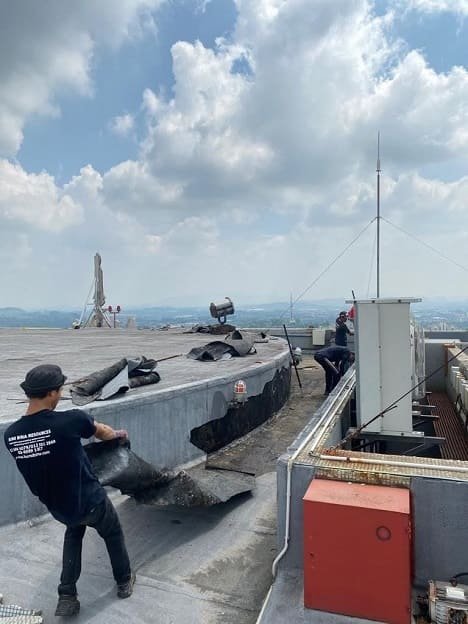
Call Now

waterproofing contractor Kuala Lumpur kerja kalis air rooftop

Waterproofing Contractor Kuala Lumpur: Kontraktor Kalis Air Bumbung, Tandas, Rooftop & Bangunan

Waterproofing Contractor Kuala Lumpur: Panduan Lengkap Servis Kalis Air Bumbung, Tandas, Rooftop & Bangunan

waterproofing contractor Kuala Lumpur kerja kalis air rooftop

Masalah bumbung bocor, siling bertompok air, dinding lembap dan resapan air melalui konkrit merupakan antara masalah penyelenggaraan yang boleh berlaku pada rumah serta bangunan komersial di Kuala Lumpur.

Bagi pemilik rumah teres, kondominium, bangunan pejabat, rumah kedai dan premis perniagaan, mendapatkan khidmat waterproofing contractor Kuala Lumpur yang sesuai merupakan langkah penting untuk mengenal pasti punca kebocoran dan melaksanakan pembaikan yang bersesuaian.

Kuala Lumpur mempunyai pelbagai jenis bangunan, daripada rumah lama di Cheras dan Setapak sehingga bangunan bertingkat di Bangsar, Mont Kiara serta kawasan pusat bandar. Setiap struktur mempunyai cabaran waterproofing yang berbeza.

Sebagai contoh, kebocoran rooftop konkrit mungkin memerlukan pemasangan waterproofing membrane, manakala air yang meresap melalui rekahan basement boleh memerlukan rawatan PU injection, pembaikan sambungan atau sistem perlindungan khusus.

Namun, tidak semua masalah kebocoran boleh diselesaikan dengan menyapu waterproofing coating. Pemeriksaan tapak, keadaan konkrit, sistem saliran dan punca sebenar kemasukan air perlu dinilai terlebih dahulu.

Artikel ini menerangkan perkhidmatan waterproofing di Kuala Lumpur, jenis sistem kalis air, faktor kos, proses pemasangan dan cara memilih kontraktor yang sesuai untuk bangunan kediaman serta komersial.

Apa Itu Waterproofing Contractor?

Waterproofing contractor ialah kontraktor yang menyediakan perkhidmatan pemeriksaan, pemasangan, pembaikan dan penyelenggaraan sistem kalis air bagi melindungi bangunan daripada penembusan air.

Skop kerja boleh melibatkan permukaan konkrit, bumbung, lantai bilik air, balkoni, dinding bawah tanah dan sambungan struktur.

Antara perkhidmatan yang biasa ditawarkan ialah:

  • Roof waterproofing

  • Rooftop waterproofing

  • Toilet dan bathroom waterproofing

  • Balcony waterproofing

  • Basement waterproofing

  • Waterproofing membrane installation

  • Polyurethane waterproofing

  • Cementitious waterproofing

  • PU injection dan grouting

  • Concrete crack repair

  • Waterproofing repair dan maintenance

  • Waterproofing bangunan komersial

Kontraktor yang berpengalaman perlu memahami bahawa lokasi tompokan air tidak semestinya menunjukkan titik sebenar air memasuki bangunan.

Air boleh bergerak melalui sambungan, rekahan dan lapisan pembinaan sebelum muncul pada siling atau dinding.

Kenapa Waterproofing Penting untuk Bangunan di Kuala Lumpur?

Hujan Lebat dan Iklim Tropika

Kuala Lumpur menerima hujan yang kerap sepanjang tahun.

Permukaan rooftop, balkoni dan bumbung yang terdedah kepada cuaca memerlukan perlindungan kalis air yang sesuai.

Bangunan Lama dan Sistem Waterproofing Usang

Sesetengah bangunan lama mungkin mempunyai sistem waterproofing yang telah mengalami kemerosotan.

Pendedahan cuaca, pergerakan struktur dan kerosakan fizikal boleh menjejaskan keberkesanan lapisan tersebut.

Rekahan Konkrit

Rekahan boleh berlaku akibat pengecutan konkrit, perubahan suhu, beban atau pergerakan struktur.

Sesetengah rekahan membenarkan air meresap melalui permukaan.

Masalah Saliran

Saliran rooftop tersumbat atau kecerunan lantai yang tidak sesuai boleh menyebabkan air bertakung.

Masalah ini perlu diperiksa bersama sistem waterproofing.

Perlindungan Struktur

Penembusan air berpanjangan boleh menyumbang kepada kemerosotan bahan binaan dan risiko kakisan tetulang konkrit.

Sistem kalis air membantu mengurangkan pendedahan struktur kepada air.

Jenis Perkhidmatan Waterproofing Contractor Kuala Lumpur

1. Roof Waterproofing Kuala Lumpur

Bumbung merupakan bahagian bangunan yang menerima pendedahan langsung kepada hujan, cahaya matahari dan perubahan suhu.

Antara punca kebocoran bumbung ialah:

  • Rekahan konkrit

  • Membran waterproofing rosak

  • Flashing tidak sempurna

  • Sambungan bumbung terbuka

  • Saluran air tersumbat

  • Kerosakan bahan bumbung

  • Penembusan paip dan peralatan

Kaedah pembaikan bergantung kepada jenis bumbung dan punca masalah.

Bagi bumbung konkrit, pilihan boleh melibatkan polyurethane waterproofing, liquid-applied membrane atau membran kalis air yang sesuai.

Bagi bumbung logam atau berjubin, kerja pembaikan mungkin lebih tertumpu kepada sambungan, flashing dan komponen bumbung.

2. Rooftop Waterproofing KL

Rooftop konkrit biasa ditemui pada bangunan pejabat, rumah kedai, bangunan komersial dan kediaman tertentu di Kuala Lumpur.

Antara perkara yang perlu diperiksa ialah:

  • Keadaan konkrit

  • Rekahan permukaan

  • Sambungan pembinaan

  • Sistem saliran

  • Kecerunan rooftop

  • Waterproofing lama

  • Pendedahan UV

  • Penggunaan kawasan bumbung

Jika air kerap bertakung, pembaikan saliran atau kecerunan mungkin diperlukan sebelum pemasangan waterproofing baharu.

3. Toilet Waterproofing Kuala Lumpur

Bilik air merupakan kawasan yang terdedah kepada air setiap hari.

Kerosakan lapisan toilet waterproofing di bawah jubin boleh menyebabkan air meresap ke siling tingkat bawah atau dinding bersebelahan.

Tanda kebocoran termasuk:

  • Siling bertompok air

  • Cat menggelembung

  • Dinding lembap

  • Jubin tertanggal

  • Air menitis dari siling

  • Bau hapak

Pemeriksaan perlu membezakan kebocoran waterproofing daripada kerosakan paip.

Jika lapisan kalis air telah rosak, pembaikan mungkin memerlukan pembukaan kemasan, penyediaan permukaan dan pemasangan sistem baharu.

4. Balcony dan Terrace Waterproofing

Balkoni serta teres terdedah kepada hujan dan perubahan suhu.

Kawasan yang kerap memerlukan pemeriksaan termasuk:

  • Sambungan lantai dengan dinding

  • Kawasan pintu

  • Floor trap

  • Rekahan jubin

  • Sambungan pengembangan

  • Waterproofing lama

Sistem yang dipilih perlu serasi dengan substrat dan kemasan akhir.

5. Basement Waterproofing

Basement dan struktur bawah tanah boleh mengalami kemasukan air melalui dinding, lantai, rekahan serta sambungan pembinaan.

Tekanan air bawah tanah juga boleh mempengaruhi masalah kebocoran.

Kaedah pembaikan mungkin melibatkan:

  • Waterproofing membrane

  • PU injection

  • Rawatan sambungan

  • Sistem waterproofing dalaman

  • Sistem kalis air luaran

  • Penambahbaikan saliran

Pemilihan kaedah perlu berdasarkan keadaan struktur, akses dan sumber air.

6. Swimming Pool Waterproofing

Kolam renang memerlukan sistem kalis air yang sesuai untuk pendedahan air secara berterusan.

Sambungan struktur, penembusan paip dan keadaan konkrit perlu diberi perhatian.

Material yang digunakan hendaklah serasi dengan sistem kemasan kolam.

7. Commercial Building Waterproofing

Bangunan komersial di Kuala Lumpur mungkin mempunyai rooftop yang luas, bilik mekanikal, basement dan struktur konkrit yang kompleks.

Kerja waterproofing perlu mengambil kira:

  • Keselamatan

  • Akses ke kawasan kerja

  • Gangguan operasi

  • Pengurusan bangunan

  • Keadaan struktur

  • Jadual pemasangan

  • Penyelenggaraan jangka panjang

Jenis Sistem Waterproofing yang Digunakan

Sistem waterproofing Ciri utama Aplikasi yang berpotensi
Cementitious waterproofing Berasaskan simen, sesuai untuk substrat tertentu Tandas, bilik air dan kawasan basah
Polyurethane waterproofing Sesetengah formulasi fleksibel dan mampu merentangi rekahan tertentu Rooftop, balkoni dan konkrit
Bituminous membrane Membran berasaskan bitumen Bumbung dan struktur bawah tanah
PVC/TPO membrane Membran termoplastik dengan sambungan dikimpal Sistem bumbung tertentu
Liquid-applied membrane Membentuk lapisan berterusan selepas curing Rooftop dan permukaan kompleks
PU injection Suntikan polyurethane pada laluan air tertentu Rekahan konkrit, basement dan sambungan bocor

Tidak semua material sesuai untuk setiap lokasi. Sistem yang digunakan untuk tandas mungkin tidak sesuai bagi rooftop yang terdedah kepada cahaya matahari secara langsung.

Waterproofing Membrane vs Waterproofing Coating

Waterproofing membrane merupakan lapisan kalis air yang boleh hadir dalam bentuk kepingan atau sistem cecair yang membentuk membran selepas mengeras.

Waterproofing coating pula lazimnya diaplikasikan menggunakan berus, roller, semburan atau kaedah lain.

Sesetengah liquid-applied coating juga berfungsi sebagai membran kalis air.

Pemilihan sistem perlu mengambil kira jenis substrat, pendedahan air, pergerakan struktur, ketahanan UV dan keperluan penyelenggaraan.

PU Injection Waterproofing Kuala Lumpur

PU injection ialah kaedah suntikan bahan polyurethane ke dalam rekahan atau laluan kebocoran tertentu.

Kaedah ini boleh dipertimbangkan bagi masalah resapan air melalui konkrit.

Antara aplikasi yang berpotensi ialah:

  • Dinding basement bocor

  • Rekahan konkrit

  • Sambungan pembinaan

  • Lift pit

  • Struktur bawah tanah

Walau bagaimanapun, PU injection bukan penyelesaian universal untuk semua masalah kebocoran.

Jika membran waterproofing rosak secara meluas atau sistem saliran tidak berfungsi, pembaikan tambahan mungkin diperlukan.

Proses Kerja Kontraktor Waterproofing Profesional

Langkah 1: Pemeriksaan Tapak

Kontraktor memeriksa kawasan yang mengalami kebocoran, keadaan konkrit, saliran dan sistem waterproofing lama.

Langkah 2: Mengenal Pasti Punca Kebocoran

Punca air perlu dikenal pasti kerana lokasi tompokan air tidak semestinya sama dengan lokasi kemasukan air.

Langkah 3: Cadangan Sistem Waterproofing

Material dan kaedah dipilih berdasarkan jenis bangunan, keadaan permukaan dan pendedahan air.

Langkah 4: Penyediaan Permukaan

Permukaan dibersihkan dan kerosakan yang berkaitan dibaiki.

Langkah 5: Pemasangan Waterproofing

Membran, coating atau sistem injection diaplikasikan mengikut spesifikasi produk.

Langkah 6: Curing dan Perlindungan

Sistem diberi masa mencukupi untuk mengeras sebelum menerima kemasan atau digunakan semula.

Langkah 7: Pemeriksaan Akhir

Kerja diperiksa dan ujian yang sesuai boleh dilakukan mengikut keperluan projek.

Harga Waterproofing Kuala Lumpur: Faktor yang Mempengaruhi Kos

Kos waterproofing bergantung kepada jenis masalah, keluasan dan keadaan bangunan.

Faktor Kesan terhadap kos
Keluasan kawasan Kawasan lebih luas memerlukan lebih banyak material
Jenis sistem Membran, coating dan injection mempunyai kos berbeza
Keadaan konkrit Rekahan dan kerosakan mungkin memerlukan pembaikan
Waterproofing lama Pembuangan lapisan lama menambah kerja
Akses Rooftop tinggi mungkin memerlukan peralatan tambahan
Sistem saliran Pembaikan longkang atau kecerunan mungkin diperlukan
Kemasan akhir Jubin, screed atau lapisan perlindungan mungkin perlu dipasang semula
Kompleksiti kebocoran Masalah berulang mungkin memerlukan pemeriksaan lebih terperinci

Quotation selepas pemeriksaan tapak lebih sesuai berbanding memilih kontraktor berdasarkan harga per kaki persegi semata-mata.

Kawasan Kuala Lumpur yang Relevan untuk Perkhidmatan Waterproofing

Pemilik hartanah di sekitar Kuala Lumpur boleh mencari kontraktor berdasarkan lokasi dan jenis kebocoran yang dihadapi.

Kawasan Contoh keperluan waterproofing
Cheras Bumbung rumah teres, tandas dan balkoni bocor
Setapak Rooftop, rumah kedai dan pembaikan konkrit
Kepong Waterproofing rumah, bumbung dan kawasan basah
Bangsar Waterproofing kediaman, balkoni dan bangunan komersial
Mont Kiara Waterproofing kondominium, teres dan kawasan kemudahan
Wangsa Maju Pembaikan bumbung, tandas dan konkrit
Sri Hartamas Waterproofing rooftop dan bangunan kediaman
Bukit Jalil Waterproofing rumah, bangunan komersial dan balkoni
Sentul Pembaikan kebocoran bangunan lama dan rumah kedai
Kuala Lumpur City Centre Rooftop, basement dan waterproofing bangunan komersial

Jadual ini menunjukkan contoh keperluan mengikut jenis hartanah, bukan pengesahan liputan perkhidmatan setiap kontraktor.

Cara Memilih Waterproofing Contractor Kuala Lumpur yang Sesuai

Pemilihan kontraktor tidak sepatutnya bergantung pada harga paling rendah sahaja.

Pengalaman berkaitan: Pastikan kontraktor mempunyai pengalaman dengan jenis kebocoran yang hendak dibaiki.

Pemeriksaan tapak: Kontraktor sepatutnya menilai punca masalah sebelum mencadangkan sistem waterproofing.

Spesifikasi material: Semak jenis produk, kaedah aplikasi, ketebalan dan keperluan penyediaan permukaan.

Quotation bertulis: Pastikan skop kerja, pengecualian, tempoh pelaksanaan dan syarat bayaran diterangkan.

Jaminan: Jika ditawarkan, semak tempoh, syarat perlindungan dan pengecualian secara bertulis.

Keselamatan: Kerja di rooftop tinggi, basement atau ruang terkurung memerlukan langkah keselamatan yang sesuai.

Penyelenggaraan: Dapatkan panduan pemeriksaan dan penjagaan selepas pemasangan.

Bumi Bina – Perkhidmatan Kontraktor Waterproofing untuk Kuala Lumpur

Bumi Bina Resources (M) SDN BHD

23, Jalan PUJ 3/9, Taman Puncak Jalil, 43300 Seri Kembangan, Selangor, Malaysia

Telefon: 012-684 6079

Bumi Bina Resources (M) Sdn. Bhd. ialah syarikat pembinaan dan waterproofing yang beralamat di Seri Kembangan, Selangor. Syarikat ini menyenaraikan perkhidmatan kalis air untuk bangunan kediaman, komersial dan industri.

Antara perkhidmatan yang disenaraikan di laman rasminya ialah:

  • Waterproofing coating dan membrane

  • Cementitious waterproofing

  • Polyurethane waterproofing

  • PU injection dan grouting

  • Concrete repair

  • Polyurea spray coating

  • Building maintenance

Aplikasi yang disenaraikan merangkumi bumbung, rooftop, tandas, dapur, balkoni, tangki air, kolam renang, basement, retaining wall dan lift pit.

Bumi Bina juga menerbitkan profil syarikat yang menyenaraikan pendaftaran berkaitan pembinaan, termasuk CIDB G4. Status pendaftaran semasa wajar disahkan melalui rekod rasmi sebelum pelantikan kontraktor.

Bagi projek di Kuala Lumpur, pemilik boleh menghubungi syarikat untuk mengesahkan liputan kawasan, membincangkan punca kebocoran dan mendapatkan maklumat tentang pemeriksaan tapak.

Kesilapan Biasa Ketika Membuat Waterproofing

  • Menyapu waterproofing tanpa mengenal pasti punca kebocoran.

  • Menggunakan material yang tidak sesuai dengan permukaan.

  • Mengabaikan rekahan konkrit.

  • Tidak membaiki sistem saliran yang rosak.

  • Memasang coating pada permukaan yang tidak disediakan dengan betul.

  • Menggunakan ketebalan waterproofing yang tidak mencukupi.

  • Tidak memberi masa curing yang mencukupi.

  • Mengabaikan pemeriksaan selepas kerja selesai.

Kesilapan ini boleh menyebabkan kebocoran berulang dan meningkatkan kos penyelenggaraan.

Penyelenggaraan Waterproofing Bangunan

Sistem waterproofing memerlukan pemeriksaan berkala, khususnya bagi kawasan yang terdedah kepada hujan dan cahaya matahari.

Antara langkah penyelenggaraan yang boleh dilakukan ialah memastikan saliran tidak tersumbat, memeriksa rekahan, memantau keadaan sambungan dan membaiki kerosakan pada lapisan kalis air.

Bagi bangunan komersial, rekod pemeriksaan dan pembaikan juga boleh membantu pengurus fasiliti merancang penyelenggaraan jangka panjang.

FAQ: Waterproofing Contractor Kuala Lumpur

– 1. Bagaimana memilih waterproofing contractor Kuala Lumpur yang sesuai?

Pilih kontraktor yang mempunyai pengalaman berkaitan, menjalankan pemeriksaan tapak, memberikan spesifikasi material dan menyediakan quotation bertulis yang jelas.

– 2. Berapakah harga waterproofing di Kuala Lumpur?

Kos bergantung kepada keluasan, jenis waterproofing, keadaan konkrit, akses tapak dan kerja pembaikan. Pemeriksaan tapak diperlukan untuk anggaran yang lebih tepat.

– 3. Apakah sistem waterproofing terbaik untuk rooftop?

Pilihan boleh merangkumi polyurethane membrane, bituminous membrane atau sistem lain yang sesuai dengan keadaan rooftop, pendedahan UV dan saliran.

– 4. Bolehkah waterproofing menyelesaikan masalah siling bocor?

Boleh jika punca kebocoran dikenal pasti dan pembaikan yang sesuai dilakukan. Kebocoran paip atau kerosakan bumbung mungkin memerlukan rawatan berbeza.

– 5. Adakah waterproofing tandas memerlukan jubin dibuka?

Tidak semestinya untuk semua masalah. Namun, jika lapisan kalis air di bawah jubin rosak, pembukaan kemasan mungkin diperlukan.

– 6. Apakah fungsi PU injection waterproofing?

PU injection digunakan untuk merawat laluan kebocoran tertentu seperti rekahan dan sambungan konkrit, bergantung kepada keadaan struktur.

– 7. Berapa lama kerja waterproofing mengambil masa?

Tempoh bergantung kepada keluasan, penyediaan permukaan, sistem yang dipilih dan masa curing.

– 8. Berapa lama waterproofing boleh bertahan?

Jangka hayat bergantung kepada material, kualiti pemasangan, pendedahan cuaca, pergerakan bangunan dan penyelenggaraan.

– 9. Adakah waterproofing sesuai untuk bangunan komersial?

Ya. Sistem waterproofing boleh digunakan pada rooftop, basement, bilik mekanikal, balkoni dan struktur konkrit yang memerlukan perlindungan.

– 10. Adakah Bumi Bina menyediakan perkhidmatan waterproofing untuk Kuala Lumpur?

Bumi Bina menawarkan perkhidmatan waterproofing dan beroperasi dari Seri Kembangan, Selangor. Pemilik projek di Kuala Lumpur boleh menghubungi syarikat untuk mengesahkan liputan serta kesesuaian kerja.

Kesimpulan

Memilih waterproofing contractor Kuala Lumpur yang sesuai memerlukan penilaian terhadap pengalaman, sistem waterproofing, keadaan bangunan dan punca sebenar kebocoran.

Sama ada masalah melibatkan bumbung, rooftop, tandas, balkoni, basement atau struktur konkrit, penyelesaian yang berkesan bermula dengan pemeriksaan dan pemilihan kaedah pembaikan yang tepat.

Bagi pemilik rumah, pengurus bangunan dan pemilik premis komersial, mendapatkan cadangan kerja yang jelas dapat membantu mengurangkan risiko pembaikan berulang.

Perlukan kontraktor waterproofing untuk projek di Kuala Lumpur? Hubungi Bumi Bina di 012-684 6079 untuk membincangkan masalah kebocoran dan menyemak perkhidmatan yang sesuai dengan keperluan bangunan anda.

Call Us Now Your

Specialist Waterproofing Contractor Kuala Lumpur in Malaysia 012–6846079 (Dato Suhaimi)
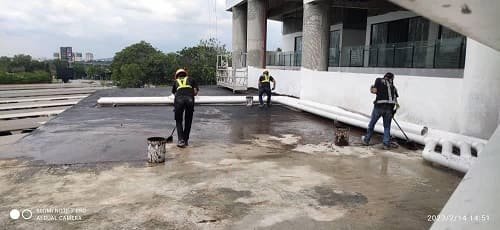
Call Now

waterproof contractor Malaysia applying rooftop waterproofing membrane

Waterproof Contractor Malaysia: Professional Waterproofing Services, Leak Repairs & Costs

Waterproof Contractor Malaysia: Complete Guide to Professional Waterproofing Services, Leak Repairs, Systems & Costs

waterproof contractor Malaysia applying rooftop waterproofing membrane

Water leakage is one of the most frustrating problems for homeowners, property managers and commercial building owners in Malaysia. A leaking roof, damp wall, water-stained ceiling or cracked concrete surface may seem like a minor issue initially, but prolonged moisture exposure can cause significant damage to building materials.

Hiring a professional waterproof contractor is an important step towards identifying the source of water intrusion and implementing a suitable waterproofing solution.

Malaysia’s tropical climate creates demanding conditions for buildings. Heavy rainfall, high humidity, strong sunlight and temperature fluctuations can affect rooftops, balconies, basements, bathrooms and exposed concrete structures.

However, waterproofing is not simply about applying a coating over a leaking area. Different surfaces require different materials, preparation methods and installation techniques.

A concrete rooftop may require a liquid-applied waterproofing membrane, while a leaking basement wall may need polyurethane injection, joint treatment or another system designed for below-ground structures.

This comprehensive guide explains what waterproof contractors do, the types of waterproofing services available, common causes of leakage, waterproofing materials, installation processes, cost factors and how to choose a suitable contractor in Malaysia.

What Is a Waterproof Contractor?

A waterproof contractor is a specialist contractor responsible for installing, repairing and maintaining waterproofing systems that help prevent water from entering buildings.

The more common industry term is waterproofing contractor, although both phrases are used when searching for building leakage solutions.

Waterproofing contractors may work on residential houses, commercial properties, industrial facilities and civil engineering structures.

Their services can include:

  • Roof waterproofing
  • Rooftop waterproofing
  • Bathroom and toilet waterproofing
  • Balcony and terrace waterproofing
  • Basement waterproofing
  • Concrete waterproofing
  • Waterproofing membrane installation
  • Polyurethane waterproofing
  • Cementitious waterproofing
  • PU injection and grouting
  • Swimming pool waterproofing
  • Water tank waterproofing
  • Concrete crack repair
  • Building leakage investigation
  • Waterproofing maintenance and restoration

An experienced contractor should assess the source of leakage, substrate condition, exposure requirements and structural considerations before recommending a waterproofing system.

Why Professional Waterproofing Is Important in Malaysia

Malaysia experiences frequent rainfall and high humidity throughout the year.

These environmental conditions make waterproofing an important consideration for both new and existing buildings.

Protection Against Heavy Rainfall

Rooftops, balconies and external concrete surfaces are directly exposed to rain.

If waterproofing systems deteriorate or construction joints fail, water can enter the building.

Protection of Concrete Structures

Water penetrating concrete can contribute to reinforcement corrosion under certain conditions.

Over time, this may affect the durability of structural elements.

Prevention of Interior Damage

Water leakage can damage ceilings, wall finishes, paint, flooring and other building components.

Reduced Recurring Maintenance

Repeatedly repainting a damp ceiling without fixing the source of leakage is unlikely to provide a lasting solution.

Identifying and addressing the water-entry point can help reduce recurring repairs.

Improved Building Conditions

Persistent moisture can contribute to mould growth and unpleasant odours.

Waterproofing repairs, combined with appropriate drying and ventilation, can help address moisture-related problems.

Common Signs You Need a Waterproof Contractor

Building owners should arrange an inspection when they notice recurring water-related problems.

Typical warning signs include:

  • Water stains on ceilings
  • Roof leakage during rainfall
  • Peeling or bubbling paint
  • Damp concrete walls
  • Water dripping from ceiling joints
  • Mould growth
  • Persistent musty odours
  • Cracks with visible water seepage
  • Water accumulation on rooftops
  • Damp basement walls
  • Leaking balconies
  • Deteriorating waterproofing coatings

These symptoms indicate that further investigation may be necessary.

However, the visible location of moisture does not always identify the actual point where water enters the structure.

Types of Waterproofing Services in Malaysia

1. Roof Waterproofing Services

Roof waterproofing is one of the most frequently requested services.

Roofs are continuously exposed to rainfall, sunlight and environmental changes.

Common causes of roof leakage include:

  • Cracked concrete
  • Damaged waterproofing membranes
  • Failed flashing
  • Defective roof joints
  • Blocked drainage
  • Damaged roofing materials
  • Poor detailing around pipe penetrations

A roof waterproofing contractor should inspect the existing system before selecting a repair method.

Possible solutions may include liquid-applied membranes, polyurethane coatings, bituminous membranes or repairs to roofing components.

2. Rooftop Waterproofing

Concrete rooftops are common in commercial buildings, shoplots, factories and certain residential properties.

Rooftop waterproofing must account for:

  • Concrete surface condition
  • Existing cracks
  • Drainage
  • Surface slope
  • UV exposure
  • Structural movement
  • Rooftop usage

If water regularly accumulates on the surface, drainage or slope correction may be necessary alongside waterproofing.

3. Bathroom and Toilet Waterproofing

Bathrooms are continuously exposed to water.

Waterproofing failure beneath tiles can cause moisture to penetrate adjacent walls or ceilings below.

A Toilet waterproofing contractor may need to inspect plumbing, remove damaged finishes, repair the substrate and install a suitable waterproofing system.

Common systems include cementitious waterproofing and compatible liquid-applied membranes.

4. Balcony and Terrace Waterproofing

Balconies and terraces are vulnerable to water intrusion because they are exposed to rain and temperature changes.

Leakage often occurs around:

  • Floor-to-wall connections
  • Door thresholds
  • Drain outlets
  • Cracks
  • Expansion joints
  • Damaged waterproofing layers

Proper drainage and waterproofing detailing are essential.

5. Basement Waterproofing

Basements and underground structures face different challenges from exposed roofs.

Water may enter through concrete walls, floor slabs, construction joints or cracks.

Groundwater pressure can also influence the waterproofing design.

Possible solutions include external membranes, internal waterproofing systems, crack injection, joint treatment and drainage improvements.

6. Swimming Pool Waterproofing

Swimming pools require systems designed for continuous water exposure.

Waterproofing must be compatible with the pool structure and finishing materials.

Special attention is required around joints, pipe penetrations and other vulnerable areas.

7. Water Tank Waterproofing

Water tanks and reservoirs require materials suitable for their intended purpose.

For potable-water tanks, products must meet relevant suitability requirements for contact with drinking water.

8. Industrial and Commercial Waterproofing

Factories, warehouses, office buildings and commercial properties may require specialised waterproofing services.

Typical applications include:

  • Factory rooftops
  • Warehouse roofs
  • Commercial basements
  • Plant rooms
  • Lift pits
  • Retaining walls
  • Concrete decks
  • Underground structures

These projects may require additional planning for site access, safety and operational downtime.

Types of Waterproofing Systems Used by Contractors

Different waterproofing technologies offer different performance characteristics.

Waterproofing system Main characteristics Typical applications
Cementitious waterproofing Cement-based waterproofing material Bathrooms, wet areas and compatible concrete surfaces
Polyurethane waterproofing Certain formulations offer flexibility and crack-bridging properties Rooftops, balconies and concrete slabs
Bituminous membrane Sheet waterproofing system based on bitumen Roofs and underground structures
PVC waterproofing membrane Thermoplastic membrane system Selected roofing applications
TPO waterproofing membrane Thermoplastic roofing membrane Selected commercial roofing systems
Liquid-applied membrane Forms a continuous membrane after curing Rooftops and surfaces with complex details
PU injection Injected material used for selected water-leakage pathways Concrete cracks, joints and underground structures

The best waterproofing system depends on the actual building conditions rather than the popularity of a particular material.

Waterproofing Membrane vs Waterproofing Coating

Waterproofing membranes and coatings are both used to protect building surfaces from water penetration.

However, they are not always interchangeable.

Waterproofing membranes may be supplied as prefabricated sheets or applied as liquids that form a continuous membrane after curing.

Waterproofing coatings are usually applied by brush, roller, spray or another suitable method.

Some liquid-applied coatings also function as waterproofing membranes.

Important selection factors include:

  • Substrate compatibility
  • Water exposure
  • UV resistance
  • Crack-bridging requirements
  • Surface movement
  • Installation method
  • Maintenance requirements

Contractors should select the system according to the application and technical specifications.

PU Injection Waterproofing Services

Polyurethane injection is a specialised method used for certain concrete leakage problems.

The process involves injecting suitable polyurethane-based materials into identified cracks or water pathways.

Potential applications include:

  • Basement wall leakage
  • Concrete cracks
  • Construction joints
  • Lift pits
  • Underground structures
  • Selected retaining walls

PU injection can be useful for controlling localised water intrusion.

However, it does not automatically replace the need for external waterproofing membranes, drainage repairs or structural assessments.

How Professional Waterproof Contractors Work

Step 1: Site Inspection

The contractor inspects the affected building area.

The assessment may include:

  • Concrete cracks
  • Existing waterproofing
  • Drainage condition
  • Surface contamination
  • Construction joints
  • Visible water damage
  • Previous repair work

Step 2: Identify the Leakage Source

Water can travel through concrete, joints and other building elements before appearing inside the property.

The contractor should investigate the likely entry point rather than relying only on visible stains.

Step 3: Recommend a Waterproofing System

The system is selected based on the building structure, substrate condition and water exposure.

Step 4: Surface Preparation

Preparation may include cleaning, removing defective coatings, repairing cracks and preparing the concrete surface.

Step 5: Waterproofing Application

The selected membrane, coating or injection system is installed according to the relevant product specifications.

Step 6: Curing and Protection

Some systems require curing before additional finishes can be installed or the area can be used.

Step 7: Final Inspection

The completed work is inspected and suitable testing may be carried out according to project requirements.

Waterproof Contractor Cost in Malaysia

Waterproofing costs vary depending on the project.

A small bathroom repair and a large commercial rooftop waterproofing project have different material, labour and installation requirements.

Cost factor Impact on waterproofing work
Surface area Larger areas require more materials and labour
Waterproofing type Different membranes and coatings have different costs
Existing damage Cracks and deteriorated concrete may require repair
Surface preparation Cleaning, hacking or coating removal may be necessary
Accessibility High rooftops or confined spaces may require additional equipment
Drainage condition Defective drainage may need correction
Finishing work Tiles, screeds or protective layers may require reinstatement
Project complexity Multiple leakage points can increase the scope
Building operations Commercial projects may require phased installation

A site inspection is recommended before requesting a final quotation.

Comparing contractors solely on price per square foot may be misleading if the proposed systems and preparation requirements differ.

How to Choose the Best Waterproof Contractor in Malaysia

Selecting the right contractor is essential for a successful waterproofing project.

Relevant Experience

Choose a contractor with experience in the type of waterproofing required.

Proper Site Inspection

The contractor should assess the building before recommending a detailed solution.

Clear Material Specifications

Ask about the waterproofing product, application method, thickness and substrate preparation.

Detailed Quotation

The quotation should explain the scope of work, exclusions and project requirements.

Warranty Terms

If a warranty is offered, review the coverage, duration, exclusions and claim conditions.

Safety Procedures

Roof work, elevated access and confined spaces may require specific safety measures.

Maintenance Recommendations

A contractor should explain how the installed system should be inspected and maintained.

Waterproof Contractor Selangor and Kuala Lumpur

Property owners searching for a waterproof contractor Selangor or waterproofing contractor Kuala Lumpur should consider the type of building and leakage problem involved.

For example, a concrete rooftop in Shah Alam may require a different waterproofing system from a leaking basement in Kuala Lumpur or a warehouse roof in Klang.

Other commonly searched locations include:

  • Petaling Jaya
  • Subang Jaya
  • Puchong
  • Seri Kembangan
  • Kajang
  • Bangi
  • Cyberjaya
  • Rawang

Contractor service coverage should be confirmed before arranging an inspection.

Bumi Bina: Waterproofing Contractor in Malaysia

Bumi Bina Resources (M) Sdn. Bhd. provides waterproofing and related building services in Malaysia.

Based on its published service information, Bumi Bina lists the following capabilities:

  • Waterproofing coating
  • Waterproofing membrane systems
  • Cementitious waterproofing
  • Polyurethane waterproofing
  • PU injection and grouting
  • Concrete repair
  • Polyurea spray coating
  • Building maintenance services

Its listed waterproofing applications include rooftops, bathrooms, kitchens, balconies, swimming pools, water tanks, basements, retaining walls and other concrete structures.

Bumi Bina also provides related concrete repair and building maintenance services, which may be relevant where leakage occurs alongside deterioration of building materials.

Contact Bumi Bina

Company: Bumi Bina Resources (M) Sdn. Bhd.

Address: 23-1, Jalan PUJ 3/9, Taman Puncak Jalil, 43300 Seri Kembangan, Selangor.

Phone: 012-684 6079

Website: bumibina.com

Property owners can contact the company to discuss waterproofing requirements, confirm service coverage and enquire about a site assessment.

Common Waterproofing Mistakes to Avoid

Applying Coating Without Identifying the Leak

A surface coating may not solve the problem if water is entering from another location.

Ignoring Concrete Damage

Cracks and deteriorated concrete should be assessed before waterproofing.

Selecting the Wrong Material

Different substrates and exposure conditions require different systems.

Poor Surface Preparation

Dust, moisture and weak surfaces can affect coating adhesion.

Inadequate Waterproofing Thickness

Incorrect application thickness may prevent the system from achieving its intended performance.

Ignoring Drainage Problems

Waterproofing and drainage should work together.

Insufficient Curing

Using a waterproofed area too early can damage the installed system.

How to Maintain Building Waterproofing

Preventive maintenance helps reduce the risk of recurring leakage.

Recommended practices include:

  • Inspect exposed waterproofing periodically.
  • Keep roof drains clear.
  • Check joints and pipe penetrations.
  • Monitor cracks and surface defects.
  • Repair damaged areas promptly.
  • Follow manufacturer maintenance recommendations.
  • Maintain inspection and repair records.

For commercial buildings, waterproofing maintenance can form part of a broader building maintenance programme.

When Should You Repair or Replace Waterproofing?

Not every leak requires complete waterproofing replacement.

Localised defects may be suitable for targeted repairs.

However, widespread membrane deterioration, recurring leakage or significant substrate damage may require more extensive work.

A contractor should inspect the existing system before deciding whether repair, recoating or replacement is appropriate.

Conclusion: Choosing a Reliable Waterproof Contractor

Hiring a professional waterproof contractor is an important step towards protecting buildings against water intrusion.

Whether the project involves a leaking roof, damp basement, bathroom leakage or deteriorating concrete, the correct solution begins with identifying the actual source of water.

A suitable waterproofing system must be selected according to the substrate, environmental exposure and performance requirements.

For homeowners, facility managers and commercial property owners in Malaysia, choosing a contractor with relevant experience, proper inspection procedures and clear technical specifications can help reduce the risk of recurring problems.

Looking for a waterproof contractor in Malaysia? Contact Bumi Bina to discuss roof waterproofing, membrane installation, PU injection, concrete leakage repair and other suitable waterproofing solutions.

Call Us Now Your

Specialist Waterproof Contractor in Malaysia 012–6846079 (Dato Suhaimi)
Call Now

FAQ: Waterproof Contractor Malaysia

  • 1. What does a waterproof contractor do?A waterproof contractor inspects water leakage problems, prepares affected surfaces and installs or repairs waterproofing systems designed to reduce water penetration.
  • 2. How much does a waterproof contractor cost in Malaysia?Costs depend on the area, waterproofing system, substrate condition, accessibility and repair requirements. A site inspection is recommended for accurate pricing.
  • 3. What is the best waterproofing method for a concrete roof?Suitable options may include polyurethane membranes, bituminous membranes and other systems designed for concrete rooftops. The choice depends on the roof condition and exposure requirements.
  • 4. Can waterproofing stop roof leakage permanently?Proper waterproofing can provide long-term protection, but no system should be assumed to last indefinitely. Performance depends on installation, building movement, exposure and maintenance.
  • 5. What is PU injection waterproofing?PU injection is a method that uses polyurethane-based materials to treat certain cracks and water pathways in concrete structures.
  • 6. Is waterproofing necessary for bathrooms?Waterproofing is important in areas exposed to water, particularly floors and vulnerable wall connections. The system should match the bathroom design and construction requirements.
  • 7. How long does waterproofing installation take?Installation time depends on the project size, surface preparation, selected system and curing requirements.
  • 8. Can waterproofing be applied over existing coatings?Sometimes, provided the existing coating is compatible, properly bonded and suitable for the new system. Inspection and preparation are necessary.
  • 9. How do I find a waterproof contractor in Selangor?Look for contractors with relevant experience, detailed quotations, suitable material specifications and a clear inspection process.
  • 10. Does Bumi Bina provide waterproofing services in Malaysia?Yes. Bumi Bina lists waterproofing systems, PU injection, concrete repair and related building services among its capabilities. Contact the company to confirm service coverage and project suitability.
waterproofing contractor Selangor kerja kalis air rooftop

Waterproofing Contractor Selangor: Kontraktor Kalis Air Bumbung, Tandas, Rooftop & Bangunan

Waterproofing Contractor Selangor: Panduan Lengkap Servis Kalis Air Bumbung, Tandas, Rooftop & Bangunan

waterproofing contractor Selangor kerja kalis air rooftop

Masalah bumbung bocor, siling bertompok air, dinding lembap atau air meresap melalui lantai bilik air merupakan antara masalah yang sering dihadapi pemilik hartanah di Selangor. Walaupun kebocoran pada peringkat awal kelihatan kecil, air yang terus memasuki bangunan boleh menyebabkan kerosakan kemasan, pertumbuhan kulat dan kemerosotan konkrit.

Bagi pemilik rumah, pengurus bangunan dan pemilik premis perniagaan, memilih waterproofing contractor Selangor yang sesuai merupakan langkah penting untuk memastikan punca kebocoran diperiksa sebelum sebarang kerja pembaikan dilakukan.

Selangor mempunyai pelbagai jenis bangunan, daripada rumah teres di Shah Alam dan Puchong sehingga kilang di Klang, gudang di kawasan perindustrian dan bangunan komersial di Petaling Jaya.

Setiap bangunan mempunyai keperluan waterproofing yang berbeza. Kebocoran bumbung konkrit mungkin memerlukan pemasangan membran, manakala air yang meresap melalui rekahan dinding basement boleh memerlukan rawatan suntikan polyurethane atau sistem waterproofing khusus.

Oleh itu, pemilihan kontraktor bukan sekadar membandingkan harga. Pemeriksaan tapak, pemilihan material, penyediaan permukaan dan kaedah pemasangan memainkan peranan penting dalam menentukan keberkesanan pembaikan.

Artikel ini menerangkan jenis perkhidmatan waterproofing di Selangor, punca kebocoran, sistem kalis air, proses kerja, faktor kos dan cara memilih kontraktor yang sesuai.

Apa Itu Waterproofing Contractor?

Waterproofing contractor ialah kontraktor yang menjalankan pemeriksaan, pemasangan, pembaikan dan penyelenggaraan sistem kalis air pada bangunan.

Tujuan utama waterproofing ialah menghalang atau mengurangkan kemasukan air melalui bahagian bangunan yang memerlukan perlindungan.

Antara perkhidmatan yang biasa ditawarkan termasuk:

  • Waterproofing bumbung dan rooftop

  • Waterproofing tandas serta bilik air

  • Waterproofing balkoni dan teres

  • Pemasangan waterproofing membrane

  • Aplikasi waterproofing coating

  • Cementitious waterproofing

  • Polyurethane waterproofing

  • PU injection dan grouting

  • Pembaikan rekahan konkrit

  • Basement waterproofing

  • Waterproofing tangki air dan kolam renang

  • Pembaikan kebocoran bangunan komersial

Kontraktor yang berpengalaman perlu memahami bahawa air boleh bergerak melalui rekahan, sambungan dan lapisan bangunan sebelum muncul pada permukaan yang kelihatan.

Oleh sebab itu, tompokan air pada siling tidak semestinya menunjukkan lokasi sebenar air memasuki bangunan.

Kenapa Waterproofing Penting untuk Bangunan di Selangor?

Hujan Lebat dan Kelembapan Tinggi

Selangor mengalami iklim tropika dengan hujan yang kerap serta kelembapan tinggi.

Bumbung, balkoni dan permukaan konkrit yang terdedah kepada cuaca memerlukan sistem perlindungan yang sesuai.

Rekahan pada Permukaan Konkrit

Rekahan boleh berlaku akibat pengecutan konkrit, pergerakan struktur, perubahan suhu atau faktor pembinaan.

Sesetengah rekahan menyediakan laluan untuk air memasuki bangunan.

Kerosakan Waterproofing Lama

Lapisan waterproofing boleh mengalami kemerosotan akibat pendedahan cuaca, kerosakan fizikal atau masalah pemasangan.

Saliran Tidak Sempurna

Longkang tersumbat dan kecerunan rooftop yang tidak sesuai boleh menyebabkan air bertakung.

Masalah saliran perlu ditangani bersama kerja waterproofing supaya air dapat mengalir keluar dengan baik.

Melindungi Struktur Bangunan

Penembusan air yang berpanjangan boleh menyumbang kepada kerosakan bahan binaan, termasuk risiko kakisan tetulang dalam konkrit.

Sistem kalis air yang sesuai membantu mengurangkan pendedahan struktur kepada kelembapan.

Jenis Perkhidmatan Waterproofing Contractor Selangor

1. Roof Waterproofing Selangor

Bumbung merupakan bahagian bangunan yang menerima pendedahan langsung kepada hujan, cahaya matahari dan perubahan suhu.

Antara punca kebocoran bumbung ialah:

  • Rekahan konkrit

  • Membran waterproofing rosak

  • Flashing tidak sempurna

  • Sambungan bumbung terbuka

  • Saluran air tersumbat

  • Penembusan paip atau peralatan

  • Kerosakan bahan bumbung

Kaedah pembaikan bergantung pada jenis bumbung dan punca kebocoran.

Bagi bumbung konkrit, kontraktor mungkin mempertimbangkan polyurethane waterproofing, liquid-applied membrane atau sistem membran yang sesuai.

Bumbung logam dan bumbung berjubin pula memerlukan pendekatan pemeriksaan yang berbeza.

2. Rooftop Waterproofing

Rooftop konkrit biasa ditemui pada rumah kedai, bangunan pejabat, kilang dan bangunan komersial.

Antara perkara yang perlu diperiksa ialah:

  • Keadaan permukaan konkrit

  • Rekahan dan sambungan

  • Saliran air

  • Kecerunan lantai

  • Waterproofing sedia ada

  • Pendedahan UV

  • Penggunaan rooftop

Jika air sering bertakung, masalah kecerunan atau saliran mungkin perlu diperbaiki sebelum sistem kalis air baharu dipasang.

3. Toilet Waterproofing Selangor

Bilik air merupakan kawasan yang sentiasa terdedah kepada air.

Kebocoran boleh berlaku akibat kerosakan lapisan kalis air, sambungan paip atau kegagalan di sekitar floor trap.

Antara tanda kebocoran ialah:

  • Siling tingkat bawah bertompok air

  • Dinding bersebelahan lembap

  • Jubin tertanggal

  • Cat menggelembung

  • Air menitis dari siling

  • Bau hapak berterusan

Kerja pembaikan mungkin memerlukan pembukaan jubin, pemeriksaan paip, pembaikan konkrit dan pemasangan waterproofing baharu.

4. Balcony dan Terrace Waterproofing

Balkoni serta teres terdedah kepada hujan dan perubahan suhu.

Kawasan yang perlu diberi perhatian termasuk sambungan lantai dengan dinding, pintu, saliran dan rekahan permukaan.

Kontraktor perlu memastikan sistem kalis air serasi dengan substrat serta kemasan yang akan digunakan.

5. Basement Waterproofing

Basement dan struktur bawah tanah boleh mengalami kebocoran melalui dinding, lantai, rekahan dan sambungan pembinaan.

Sesetengah masalah dipengaruhi tekanan air bawah tanah.

Kaedah pembaikan mungkin melibatkan:

  • Waterproofing membrane

  • Rawatan sambungan

  • PU injection

  • Sistem kalis air dalaman

  • Sistem waterproofing luaran

  • Penambahbaikan saliran

Pemilihan kaedah bergantung kepada keadaan struktur, akses dan sumber air.

6. Swimming Pool Waterproofing

Kolam renang memerlukan sistem waterproofing yang sesuai untuk pendedahan air secara berterusan.

Sambungan pembinaan, saluran paip dan permukaan konkrit perlu diperiksa dengan teliti.

Material juga perlu serasi dengan kemasan kolam serta keadaan operasi.

7. Commercial dan Industrial Waterproofing

Bangunan komersial dan industri mempunyai cabaran tersendiri kerana kawasan bumbung mungkin luas, akses terhad dan operasi bangunan perlu diteruskan.

Kerja waterproofing boleh melibatkan:

  • Rooftop kilang

  • Bumbung gudang

  • Bangunan pejabat

  • Rumah kedai

  • Ruang bawah tanah

  • Lift pit

  • Struktur konkrit

  • Bilik mekanikal

Kontraktor perlu mengambil kira keselamatan, logistik dan jadual kerja.

Jenis Sistem Waterproofing yang Digunakan

Sistem Ciri utama Aplikasi yang sesuai
Cementitious waterproofing Berasaskan simen dan digunakan pada substrat yang serasi Tandas, bilik air, konkrit dan kawasan basah
Polyurethane waterproofing Sesetengah formulasi fleksibel dan mempunyai keupayaan crack-bridging Rooftop, balkoni dan konkrit
Bituminous membrane Membran berasaskan bitumen Bumbung dan struktur bawah tanah
PVC/TPO membrane Membran termoplastik dengan sambungan dikimpal Sistem bumbung tertentu
Liquid-applied membrane Membentuk lapisan berterusan selepas curing Rooftop dan permukaan kompleks
PU injection Suntikan bahan polyurethane ke dalam laluan air tertentu Rekahan konkrit, basement dan sambungan bocor

Tidak semua material sesuai digunakan pada setiap lokasi. Sistem yang digunakan untuk bilik air mungkin tidak sesuai bagi rooftop yang menerima cahaya matahari secara langsung.

Waterproofing Membrane vs Waterproofing Coating

Waterproofing membrane merupakan lapisan kalis air yang boleh dipasang dalam bentuk kepingan atau diaplikasikan sebagai cecair yang membentuk membran selepas mengeras.

Waterproofing coating pula lazimnya diaplikasikan melalui berus, roller, semburan atau kaedah lain.

Sesetengah liquid-applied coating sebenarnya membentuk membran, jadi kedua-dua kategori boleh bertindih.

Pemilihan sistem perlu mengambil kira:

  • Jenis permukaan

  • Pendedahan air

  • Pergerakan struktur

  • Ketahanan UV

  • Keadaan saliran

  • Keperluan penyelenggaraan

PU Injection Waterproofing Selangor

PU injection waterproofing ialah kaedah suntikan bahan polyurethane ke dalam rekahan atau laluan kebocoran tertentu.

Kaedah ini boleh dipertimbangkan bagi struktur konkrit yang mengalami resapan air melalui laluan yang dikenal pasti.

Antara aplikasi yang berpotensi ialah:

  • Dinding basement bocor

  • Rekahan konkrit

  • Sambungan pembinaan

  • Lift pit

  • Struktur bawah tanah

Walau bagaimanapun, PU injection tidak semestinya menggantikan keperluan membran kalis air atau pembaikan saliran.

Jika sistem waterproofing rosak secara meluas, pembaikan tambahan mungkin diperlukan.

Proses Kerja Waterproofing Profesional

Langkah 1: Pemeriksaan Tapak

Kontraktor menilai lokasi kebocoran, keadaan konkrit, saliran dan waterproofing lama.

Langkah 2: Mengenal Pasti Punca Kebocoran

Punca sebenar perlu dikenal pasti kerana air boleh bergerak melalui struktur sebelum kelihatan pada siling atau dinding.

Langkah 3: Cadangan Sistem Waterproofing

Material dipilih berdasarkan jenis bangunan, substrat, pendedahan air dan keadaan tapak.

Langkah 4: Penyediaan Permukaan

Permukaan dibersihkan dan kerosakan yang berkaitan dibaiki.

Langkah 5: Pemasangan Sistem

Membran, coating atau injection diaplikasikan mengikut spesifikasi produk.

Langkah 6: Curing dan Perlindungan

Sistem diberi masa yang mencukupi untuk mengeras sebelum menerima kemasan atau digunakan semula.

Langkah 7: Pemeriksaan Akhir

Kerja diperiksa dan pengujian yang sesuai dilakukan mengikut keperluan projek.

Harga Waterproofing Selangor: Faktor yang Mempengaruhi Kos

Kos waterproofing bergantung kepada jenis kerja dan keadaan bangunan.

Faktor Kesan terhadap harga
Keluasan Kawasan lebih besar memerlukan lebih banyak bahan
Jenis waterproofing Membran, coating dan injection mempunyai kos berbeza
Keadaan konkrit Rekahan dan kerosakan memerlukan pembaikan
Waterproofing lama Pembuangan lapisan lama menambah skop kerja
Akses Rooftop tinggi mungkin memerlukan peralatan khas
Sistem saliran Pembaikan longkang atau kecerunan mungkin diperlukan
Kemasan Jubin, screed atau lapisan pelindung mungkin perlu dipasang semula
Tahap kerosakan Kebocoran kompleks memerlukan pemeriksaan lebih menyeluruh

Quotation selepas pemeriksaan tapak lebih sesuai berbanding memilih kontraktor berdasarkan harga per kaki persegi sahaja.

Cara Memilih Waterproofing Contractor Selangor yang Sesuai

Sebelum melantik kontraktor, pastikan beberapa perkara berikut diperiksa:

  • Pengalaman: Pilih kontraktor yang mempunyai pengalaman dengan masalah kebocoran yang berkaitan.

  • Pemeriksaan tapak: Elakkan membuat keputusan berdasarkan gambar sahaja bagi masalah yang kompleks.

  • Spesifikasi material: Minta penerangan tentang jenis waterproofing, kaedah aplikasi dan ketebalan sistem.

  • Quotation bertulis: Pastikan skop, material, kerja persediaan dan pengecualian dinyatakan.

  • Jaminan: Semak tempoh, syarat dan skop perlindungan jaminan sekiranya ditawarkan.

  • Keselamatan: Kerja pada bumbung tinggi atau ruang terkurung memerlukan prosedur keselamatan yang sesuai.

  • Penyelenggaraan: Dapatkan panduan pemeriksaan selepas pemasangan.

Bumi Bina – Kontraktor Waterproofing di Selangor

Bumi Bina Resources (M) SDN BHD

23, Jalan PUJ 3/9, Taman Puncak Jalil, 43300 Seri Kembangan, Selangor, Malaysia

5(3)

Telefon: 012-684 6079

Laman web: bumibina.com

Bumi Bina Resources (M) Sdn. Bhd. ialah syarikat pembinaan dan waterproofing yang beroperasi dari Seri Kembangan, Selangor. Syarikat ini menyenaraikan perkhidmatan waterproofing, PU injection, concrete repair, polyurea spray coating dan penyelenggaraan bangunan.

Antara aplikasi waterproofing yang disenaraikan di laman rasminya ialah bumbung, rooftop, bilik air, dapur, balkoni, tangki air, kolam renang, struktur bawah tanah dan retaining wall.

Pemilik rumah atau bangunan boleh menghubungi Bumi Bina untuk menyemak liputan kawasan, membincangkan keadaan kebocoran dan mendapatkan cadangan pemeriksaan tapak.

Call Us Now Your

Specialist Waterproofing contractor Selangor in Malaysia 012–6846079 (Dato Suhaimi)
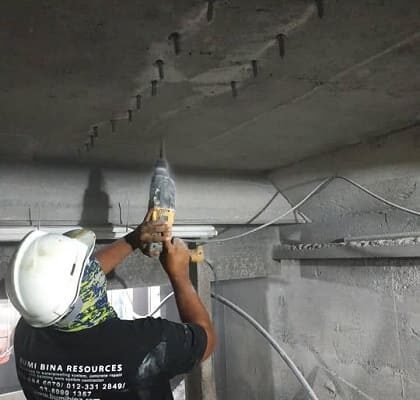
Call Now

FAQ: Waterproofing Contractor Selangor

– 1. Bagaimana memilih waterproofing contractor Selangor yang bagus?

Pilih kontraktor yang mempunyai pengalaman berkaitan, menyediakan pemeriksaan tapak, menerangkan sistem yang dicadangkan dan memberikan quotation bertulis yang jelas.

– 2. Berapakah harga waterproofing di Selangor?

Kos bergantung kepada keluasan, jenis material, keadaan konkrit, akses tapak dan kerja pembaikan. Harga sebenar sebaiknya ditentukan selepas pemeriksaan.

– 3. Apakah waterproofing terbaik untuk bumbung konkrit?

Antara sistem yang boleh dipertimbangkan ialah polyurethane membrane, bituminous membrane dan sistem kalis air lain yang sesuai dengan keadaan bumbung.

– 4. Bolehkah waterproofing membaiki masalah siling bocor?

Boleh jika kebocoran berpunca daripada kegagalan sistem kalis air dan punca sebenar dikenal pasti. Kebocoran paip atau kerosakan bumbung mungkin memerlukan pembaikan berbeza.

– 5. Adakah PU injection sesuai untuk kebocoran konkrit?

PU injection boleh digunakan untuk laluan kebocoran tertentu melalui rekahan dan sambungan konkrit. Kesesuaiannya perlu ditentukan melalui pemeriksaan.

– 6. Berapa lama kerja waterproofing mengambil masa?

Tempoh bergantung kepada keluasan, persediaan permukaan, jenis sistem dan masa curing. Kerja pembaikan konkrit atau penggantian kemasan boleh menambah tempoh projek.

– 7. Adakah waterproofing tandas memerlukan jubin dibuka?

Tidak semestinya untuk semua keadaan. Namun, jika lapisan waterproofing di bawah jubin rosak, pembukaan kemasan mungkin diperlukan bagi melaksanakan pembaikan menyeluruh.

– 8. Berapa lama waterproofing boleh bertahan?

Jangka hayat bergantung kepada sistem, kualiti pemasangan, pendedahan cuaca, keadaan bangunan dan penyelenggaraan.

– 9. Apakah beza waterproofing membrane dengan coating?

Membrane ialah lapisan kalis air dalam bentuk kepingan atau sistem cecair yang membentuk membran. Coating pula ialah bahan sapuan pelindung; sesetengah coating juga berfungsi sebagai membran.

– 10. Adakah Bumi Bina menyediakan servis waterproofing di Selangor?

Bumi Bina beralamat di Seri Kembangan, Selangor dan menyenaraikan waterproofing sebagai salah satu perkhidmatan utamanya. Hubungi syarikat untuk mengesahkan lokasi projek dan skop kerja.

Kesimpulan

Memilih waterproofing contractor Selangor yang sesuai bukan sekadar mencari harga paling murah. Pemeriksaan punca kebocoran, pemilihan material, pembaikan konkrit dan pemasangan yang betul perlu diberikan perhatian.

Bagi rumah kediaman, bangunan pejabat, kilang atau gudang, setiap masalah kebocoran memerlukan penilaian mengikut keadaan struktur dan pendedahan air.

Perlukan kontraktor waterproofing di Selangor? Hubungi Bumi Bina untuk membincangkan masalah bumbung bocor, rooftop, tandas, basement atau konkrit yang mengalami resapan air.