
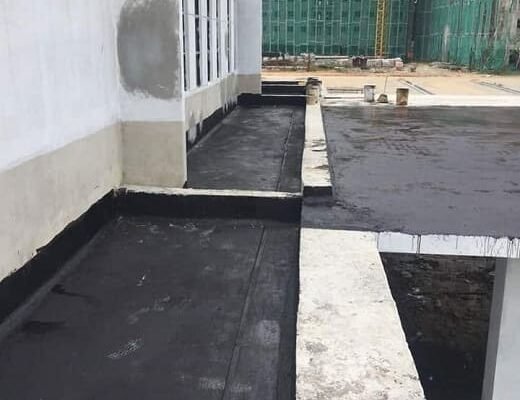
Balcony Waterproofing Contractor Malaysia: Complete Guide to Balcony Leak Repair, Waterproofing Systems, Installation & Costs
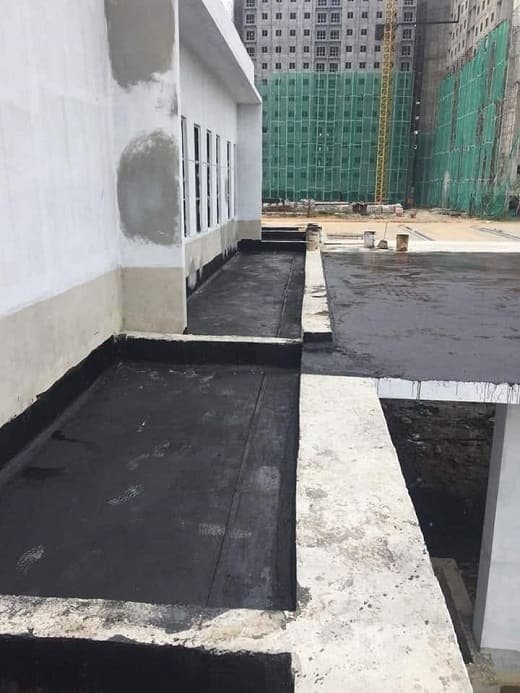
Balconies are among the most exposed areas of residential and commercial buildings. Rainfall, sunlight, temperature changes and daily use can gradually affect floor finishes, sealants, concrete joints and waterproofing membranes.
When a balcony begins leaking, water may penetrate the floor slab and cause damage to ceilings, walls, paintwork and interior finishes below.
For property owners searching for a professional balcony waterproofing contractor, identifying the actual cause of water penetration is the first step towards selecting an effective repair method.
A leaking balcony does not always mean the floor tiles are damaged. Water may enter through cracked grout, failed waterproofing beneath the tiles, poorly sealed door thresholds, drainage outlets, parapet junctions or concrete cracks.
Applying a waterproof coating over the visible surface without investigating these details may provide only limited results.
Professional balcony waterproofing involves assessing the substrate, identifying leakage pathways, selecting a compatible waterproofing system and ensuring that critical junctions are correctly treated.
This guide explains common balcony leakage problems, waterproofing materials, installation procedures, repair options, cost factors and how to choose a suitable contractor in Malaysia.
What Does a Balcony Waterproofing Contractor Do?
A balcony waterproofing contractor specialises in preventing or repairing water penetration through balcony floors, concrete slabs, wall junctions and related building details.
Depending on the project, the contractor may provide:
-
Balcony leakage inspection
-
Balcony floor waterproofing
-
Balcony concrete slab waterproofing
-
Waterproofing membrane installation
-
Polyurethane waterproofing coating
-
Cementitious waterproofing
-
Balcony crack sealing
-
Door threshold waterproofing
-
Drain outlet waterproofing
-
Balcony tile removal and reinstatement
-
Terrace waterproofing
-
Concrete repair
-
Waterproofing system replacement
The correct repair method depends on the balcony’s construction, existing finishes, drainage and source of leakage.
Why Balcony Waterproofing Is Important in Malaysia
Heavy Rainfall
Malaysia’s tropical climate exposes outdoor balconies to frequent rainfall.
Without an effective waterproofing system, water may penetrate vulnerable joints and defects.
Sunlight and Temperature Changes
Outdoor surfaces experience temperature fluctuations that can affect coatings, sealants and construction joints.
Concrete Cracking
Concrete slabs may develop cracks due to shrinkage, movement or other causes.
Some cracks become water pathways.
Deteriorating Tile Joints
Grout and sealant can deteriorate over time.
However, tile grout alone should not be relied upon as the primary waterproofing barrier.
Poor Drainage
Blocked outlets or inadequate falls can cause standing water and increase exposure to moisture.
Failed Waterproofing Membranes
Waterproofing layers beneath tiles may deteriorate or become damaged.
Common Signs of Balcony Water Leakage
Water Stains on the Ceiling Below
Brown or yellow stains may indicate water penetration from the balcony above.
Peeling Paint
Persistent moisture can cause paint blistering and peeling.
Damp Walls
Water may travel through floor-to-wall junctions or adjacent building components.
Cracked Balcony Tiles
Cracked tiles may indicate substrate movement, impact damage or other defects.
Loose or Hollow Tiles
Poor adhesion or prolonged moisture exposure may contribute to tile debonding.
Water Dripping After Rain
Leakage associated with rainfall can indicate a problem with balcony waterproofing, drainage or nearby external wall details.
Mould and Musty Odours
Persistent dampness can encourage mould growth in affected interior spaces.
Common Causes of Balcony Waterproofing Failure
1. Damaged Waterproofing Membrane
A failed membrane beneath the balcony tiles can allow water to reach the concrete slab.
2. Poor Floor-to-Wall Detailing
The junction between the balcony floor and surrounding walls is a critical waterproofing area.
3. Defective Door Thresholds
Water may enter through poorly sealed sliding-door tracks, thresholds or adjacent joints.
4. Drain Outlet Problems
Poorly detailed or blocked drains can allow water to accumulate and penetrate surrounding defects.
5. Concrete Cracks
Cracks in the slab may create leakage pathways.
6. Inadequate Surface Preparation
Waterproofing applied over contaminated or weak substrates may lose adhesion.
7. Incorrect Material Selection
Some products are not suitable for exposed balconies, constant moisture or movement.
Types of Balcony Waterproofing Systems
1. Cementitious Waterproofing
Cementitious waterproofing uses cement-based materials to form a protective layer over compatible substrates.
Flexible cementitious systems are commonly considered for tiled balconies.
Important considerations include:
-
Substrate preparation
-
Crack treatment
-
Floor-to-wall junction detailing
-
Compatibility with tile adhesives
-
Application thickness
-
Curing requirements
2. Polyurethane Balcony Waterproofing
Polyurethane waterproofing coatings can form a continuous membrane after curing.
Suitable formulations may be used for exposed or protected balcony applications.
The product must be selected according to UV exposure, expected movement, substrate condition and whether tiles will be installed above it.
3. Liquid-Applied Waterproofing Membrane
Liquid-applied membranes are installed as coatings that cure to form a waterproofing layer.
They can be useful for complex balcony shapes with corners and penetrations.
Correct application thickness and detailing remain essential.
4. Sheet Waterproofing Membrane
Sheet membranes are installed as prefabricated waterproofing layers.
Their performance depends on appropriate bonding, seams, junctions and penetrations.
5. Balcony Waterproofing Under Tiles
In tiled balcony systems, waterproofing is typically installed beneath the floor finish.
The system should be compatible with the screed, tile adhesive and selected tile installation method.
6. Exposed Balcony Waterproofing
Some balconies use exposed waterproofing coatings without a tile finish.
These systems require suitable weather resistance, wear resistance and slip characteristics.
Balcony Waterproofing Systems Comparison
| System | Typical application | Main consideration |
|---|---|---|
| Flexible cementitious waterproofing | Tiled balconies | Compatibility with tile installation |
| Polyurethane coating | Exposed or protected balconies | UV, movement and surface conditions |
| Liquid-applied membrane | Complex balcony details | Thickness and curing |
| Sheet membrane | Selected balcony systems | Seams and junction detailing |
| Surface sealant | Specific joints and gaps | Not a replacement for complete waterproofing |
| PU injection | Selected leaking concrete cracks | Targeted repair only |
No single waterproofing material is suitable for every balcony.
The correct system depends on construction details, drainage and intended finishes.
Can Balcony Waterproofing Be Done Without Removing Tiles?
This is one of the most common questions from homeowners and property managers.
Yes, some balcony leaks can be treated without removing all the tiles, but this is not suitable for every situation.
Possible methods include replacing failed joint sealants, repairing localised defects or applying a compatible surface waterproofing system where technically appropriate.
However, if the waterproofing membrane beneath the tiles has failed extensively, removing the existing finishes may be necessary.
When No-Hacking Waterproofing May Be Considered
A less invasive approach may be appropriate when:
-
The leakage source is localised and clearly identified.
-
The existing tiles and substrate are sound.
-
The repair material is compatible with the existing finish.
-
The defect involves a specific joint or penetration.
-
The drainage arrangement is functioning correctly.
When Tile Removal Is Recommended
Tile removal may be necessary when:
-
The concealed waterproofing membrane has failed.
-
Water is trapped beneath the tiles.
-
The screed is deteriorated.
-
Multiple areas are leaking.
-
Floor falls require correction.
-
The concrete slab requires substantial repair.
Important: Transparent sealers and grout treatments should not automatically be considered substitutes for a properly designed waterproofing membrane.
Professional Balcony Waterproofing Installation Process
Step 1: Balcony Leakage Inspection
The contractor examines the balcony floor, walls, drainage outlets, door thresholds and visible cracks.
The inspection should consider whether water is entering through the balcony itself or through nearby external walls.
Step 2: Identify the Leakage Source
Water testing or other suitable investigation methods may help identify the source.
Testing must be planned carefully to avoid causing additional damage.
Step 3: Remove Damaged Finishes
Where required, existing tiles, screed or deteriorated waterproofing layers are removed.
The extent of removal depends on the repair specification.
Step 4: Prepare the Concrete Substrate
The surface is cleaned and unsound material removed.
Cracks and damaged concrete are repaired as necessary.
Step 5: Check Balcony Drainage
The floor should direct water towards suitable drainage outlets.
If ponding occurs because of inadequate falls, the underlying drainage problem should be corrected.
Step 6: Treat Critical Junctions
Particular attention is given to:
-
Floor-to-wall corners
-
Parapet walls
-
Sliding-door thresholds
-
Drain outlets
-
Pipe penetrations
-
Construction joints
-
Changes in floor level
These locations often require reinforcement or specialised detailing.
Step 7: Apply Waterproofing System
The selected primer and waterproofing material are installed according to the manufacturer’s instructions.
Application thickness, coverage and curing requirements must be followed.
Step 8: Conduct Waterproofing Testing
Where appropriate, a controlled water test can help assess the installation.
The test method and duration should suit the construction and project requirements.
Step 9: Install Protective Screed or Tiles
For concealed waterproofing systems, compatible protective layers and finishes are installed.
Step 10: Final Inspection
The contractor checks the completed work, drainage and visible finishing details.
Balcony Waterproofing Price Malaysia
The cost of balcony waterproofing varies depending on the condition of the existing floor, the waterproofing system and the extent of repair.
| Cost factor | Impact on project price |
|---|---|
| Balcony size | Determines material quantity and labour |
| Waterproofing material | Cementitious, PU and membrane systems differ in cost |
| Tile removal | Adds demolition and disposal work |
| Screed condition | Damaged screed may require replacement |
| Concrete repair | Cracks and spalling require additional treatment |
| Drainage correction | May involve floor-level adjustments |
| Door threshold detailing | Can require specialised repair work |
| Accessibility | High-rise balconies may need additional safety arrangements |
| Tile reinstatement | Material and workmanship affect cost |
| Testing | Depends on the agreed project specification |
How Much Does Balcony Waterproofing Cost Per Square Foot?
Some contractors calculate waterproofing by square foot or square metre.
However, the waterproofing rate alone may exclude hacking, concrete repairs, screed replacement, tiles and finishing work.
For example, a small balcony with extensive concealed damage may cost more to repair than a larger balcony with a sound substrate.
A detailed quotation is therefore more useful than relying on a generic advertised rate.
Balcony Waterproofing vs Terrace Waterproofing
Balconies and terraces have similar waterproofing requirements, but their construction and use may differ.
| Feature | Balcony waterproofing | Terrace waterproofing |
|---|---|---|
| Typical location | Attached to an upper-floor room | Roof terrace or outdoor deck |
| Main exposure | Rainfall and outdoor weather | Rainfall, sunlight and foot traffic |
| Common defects | Thresholds, drains and wall junctions | Membrane failure, cracks and drainage |
| Typical systems | Cementitious, PU or sheet membrane | PU coating or suitable membrane |
| Main consideration | Preventing leakage into rooms below | Waterproofing larger exposed areas |
The final system should be based on the actual design rather than the name of the area.
How to Choose a Balcony Waterproofing Contractor in Malaysia
Selecting the right contractor involves more than comparing the lowest quotation.
Check Relevant Experience
Look for contractors familiar with balcony and terrace waterproofing, especially projects involving concealed membranes beneath tiles.
Request a Leakage Assessment
A contractor should investigate the likely cause before recommending full waterproofing replacement.
Review the Waterproofing Materials
Ask for the proposed material’s technical data sheet and intended application.
Confirm the Repair Scope
Check whether the quotation includes tile removal, substrate repairs, waterproofing, drainage and reinstatement.
Ask About Testing
Understand what inspection or water testing will be carried out.
Review Warranty Conditions
Where a warranty is offered, confirm its scope, duration and exclusions.
Consider Building Safety
High-rise balcony work and concrete repairs require suitable safety arrangements.
Where cracks suggest structural movement or damage to load-bearing components, a qualified structural engineer should assess the condition.
Balcony Waterproofing in Selangor and Kuala Lumpur
Balcony waterproofing is relevant to various residential and commercial properties across the Klang Valley.
Potential project areas include:
-
Kuala Lumpur
-
Shah Alam
-
Petaling Jaya
-
Subang Jaya
-
Puchong
-
Seri Kembangan
-
Kajang
-
Bangi
-
Klang
-
Cyberjaya
Condominiums, apartments, terrace houses, townhouses and commercial buildings may require balcony leakage repair.
Contractor availability should be confirmed for the specific location.
Bumi Bina – Balcony Waterproofing Contractor Malaysia
Bumi Bina Resources (M) Sdn. Bhd. is a Malaysian waterproofing and construction company based in Seri Kembangan, Selangor.
The company’s official website specifically lists terraces and balconies among its waterproofing applications. Its published services include waterproofing systems, PU injection and grouting, and concrete repair.
Bumi Bina also describes waterproofing solutions involving coatings, membranes and cementitious materials.
Balcony Waterproofing Services to Enquire About
Property owners and building managers can contact Bumi Bina to discuss:
-
Balcony floor waterproofing
-
Terrace waterproofing
-
Concrete slab leakage
-
Waterproofing membrane replacement
-
Cementitious waterproofing
-
Polyurethane waterproofing
-
Concrete crack sealing
-
Related concrete repair work
The appropriate repair method, project scope and service availability should be confirmed after assessment.
Contact Bumi Bina
Company: Bumi Bina Resources (M) Sdn. Bhd.
Address: 23-1, Jalan PUJ 3/9, Taman Puncak Jalil, 43300 Seri Kembangan, Selangor, Malaysia.
Phone: 012-684 6079 (En. Suhaimi)
Website: https://bumibina.com
The address and contact number are also provided in the company’s published corporate profile.
Need help with a leaking balcony or terrace? Contact Bumi Bina to discuss the leakage symptoms, existing finishes and suitable waterproofing options.
Common Balcony Waterproofing Mistakes to Avoid
Applying Waterproof Paint Over Dirty Tiles
A coating may not bond properly to contaminated or unsuitable surfaces.
Ignoring Drainage Problems
A waterproofing membrane cannot correct poor floor falls or blocked outlets.
Relying Only on Tile Grout
Grout is not a replacement for a complete waterproofing system.
Neglecting Door Thresholds
Sliding-door thresholds are critical locations where water may enter adjacent rooms.
Using an Unsuitable Waterproofing Material
A product intended for concealed indoor wet areas may not be suitable for an exposed balcony.
Failing to Treat Cracks
Existing cracks should be assessed and repaired using an appropriate method before waterproofing.
Skipping Curing Requirements
Premature exposure to water or traffic can affect the performance of some waterproofing materials.
Balcony Waterproofing Maintenance Tips
Regular maintenance can help reduce the likelihood of recurring leakage.
-
Clean balcony drains regularly.
-
Remove leaves and debris from outlets.
-
Inspect sealants around doors and joints.
-
Monitor cracks in tiles and concrete.
-
Avoid drilling through waterproofing membranes.
-
Investigate persistent ponding.
-
Repair damaged tiles promptly.
-
Check ceilings and walls below the balcony for moisture.
-
Arrange professional inspection if leakage returns.
FAQ: Balcony Waterproofing Contractor Malaysia
– 1. What does a balcony waterproofing contractor do?
A balcony waterproofing contractor inspects and repairs water penetration through balcony floors, concrete slabs, joints, drains and related building details.
– 2. How much does balcony waterproofing cost in Malaysia?
Costs depend on balcony size, waterproofing material, tile removal, concrete condition, drainage and finishing requirements.
– 3. What is the best waterproofing system for a balcony?
Flexible cementitious waterproofing, polyurethane coatings and suitable membranes are common options. The best choice depends on the balcony construction and exposure.
– 4. Can balcony waterproofing be done without removing tiles?
Some localised defects can be treated without extensive tile removal. Widespread concealed membrane failure may require removing the existing finishes.
– 5. Why is my balcony leaking into the room below?
Possible causes include failed waterproofing, cracked concrete, defective drains, damaged joints or poorly sealed door thresholds.
– 6. Is polyurethane waterproofing suitable for balconies?
Yes, suitable polyurethane systems may be used for exposed or concealed balcony applications, subject to the product specification.
– 7. Can cracked balcony tiles cause water leakage?
Cracked tiles can allow more water to reach the layers beneath, but the primary waterproofing membrane should provide the main barrier.
– 8. How long does balcony waterproofing take?
Duration depends on the repair scope, tile removal, substrate preparation, waterproofing application, curing and reinstatement.
– 9. How can I prevent balcony leakage?
Maintain drainage, inspect sealants, repair defects promptly and ensure that an appropriate waterproofing system is installed.
– 10. Does Bumi Bina provide balcony waterproofing services?
Bumi Bina lists terraces and balconies among its waterproofing applications. Contact the company to confirm the appropriate solution for your property.
Conclusion
Choosing a professional balcony waterproofing contractor is important when dealing with water leakage through balcony floors, concrete slabs, drainage outlets and wall junctions.
Effective balcony waterproofing begins with identifying the source of leakage rather than simply covering the visible surface.
Flexible cementitious waterproofing, polyurethane coatings and waterproofing membrane can provide suitable solutions when selected and installed correctly.
Proper substrate preparation, drainage, detailing and curing are essential for achieving the intended performance.
For homeowners, condominium management bodies and commercial property owners, professional inspection can help determine whether a localised repair is sufficient or a complete waterproofing replacement is necessary.
Looking for balcony waterproofing services in Malaysia? Contact Bumi Bina at 012-684 6079 to discuss your balcony leakage problem and available repair options.
Call Us Now Your
Balcony Waterproofing Contractor Specialist in Malaysia 012–6846079 (Dato Suhaimi)
