
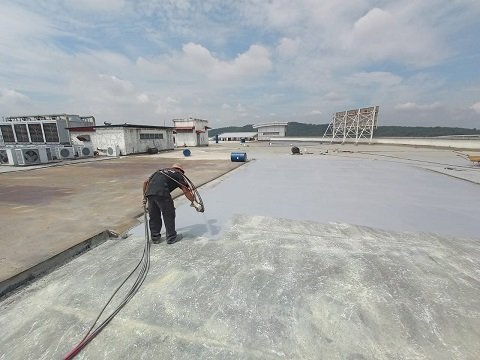
Waterproof Contractor Malaysia: Complete Guide to Professional Waterproofing Services, Leak Repairs, Systems & Costs
Water leakage is one of the most frustrating problems for homeowners, property managers and commercial building owners in Malaysia. A leaking roof, damp wall, water-stained ceiling or cracked concrete surface may seem like a minor issue initially, but prolonged moisture exposure can cause significant damage to building materials.
Hiring a professional waterproof contractor is an important step towards identifying the source of water intrusion and implementing a suitable waterproofing solution.
Malaysia’s tropical climate creates demanding conditions for buildings. Heavy rainfall, high humidity, strong sunlight and temperature fluctuations can affect rooftops, balconies, basements, bathrooms and exposed concrete structures.
However, waterproofing is not simply about applying a coating over a leaking area. Different surfaces require different materials, preparation methods and installation techniques.
A concrete rooftop may require a liquid-applied waterproofing membrane, while a leaking basement wall may need polyurethane injection, joint treatment or another system designed for below-ground structures.
This comprehensive guide explains what waterproof contractors do, the types of waterproofing services available, common causes of leakage, waterproofing materials, installation processes, cost factors and how to choose a suitable contractor in Malaysia.
What Is a Waterproof Contractor?
A waterproof contractor is a specialist contractor responsible for installing, repairing and maintaining waterproofing systems that help prevent water from entering buildings.
The more common industry term is waterproofing contractor, although both phrases are used when searching for building leakage solutions.
Waterproofing contractors may work on residential houses, commercial properties, industrial facilities and civil engineering structures.
Their services can include:
- Roof waterproofing
- Rooftop waterproofing
- Bathroom and toilet waterproofing
- Balcony and terrace waterproofing
- Basement waterproofing
- Concrete waterproofing
- Waterproofing membrane installation
- Polyurethane waterproofing
- Cementitious waterproofing
- PU injection and grouting
- Swimming pool waterproofing
- Water tank waterproofing
- Concrete crack repair
- Building leakage investigation
- Waterproofing maintenance and restoration
An experienced contractor should assess the source of leakage, substrate condition, exposure requirements and structural considerations before recommending a waterproofing system.
Why Professional Waterproofing Is Important in Malaysia
Malaysia experiences frequent rainfall and high humidity throughout the year.
These environmental conditions make waterproofing an important consideration for both new and existing buildings.
Protection Against Heavy Rainfall
Rooftops, balconies and external concrete surfaces are directly exposed to rain.
If waterproofing systems deteriorate or construction joints fail, water can enter the building.
Protection of Concrete Structures
Water penetrating concrete can contribute to reinforcement corrosion under certain conditions.
Over time, this may affect the durability of structural elements.
Prevention of Interior Damage
Water leakage can damage ceilings, wall finishes, paint, flooring and other building components.
Reduced Recurring Maintenance
Repeatedly repainting a damp ceiling without fixing the source of leakage is unlikely to provide a lasting solution.
Identifying and addressing the water-entry point can help reduce recurring repairs.
Improved Building Conditions
Persistent moisture can contribute to mould growth and unpleasant odours.
Waterproofing repairs, combined with appropriate drying and ventilation, can help address moisture-related problems.
Common Signs You Need a Waterproof Contractor
Building owners should arrange an inspection when they notice recurring water-related problems.
Typical warning signs include:
- Water stains on ceilings
- Roof leakage during rainfall
- Peeling or bubbling paint
- Damp concrete walls
- Water dripping from ceiling joints
- Mould growth
- Persistent musty odours
- Cracks with visible water seepage
- Water accumulation on rooftops
- Damp basement walls
- Leaking balconies
- Deteriorating waterproofing coatings
These symptoms indicate that further investigation may be necessary.
However, the visible location of moisture does not always identify the actual point where water enters the structure.
Types of Waterproofing Services in Malaysia
1. Roof Waterproofing Services
Roof waterproofing is one of the most frequently requested services.
Roofs are continuously exposed to rainfall, sunlight and environmental changes.
Common causes of roof leakage include:
- Cracked concrete
- Damaged waterproofing membranes
- Failed flashing
- Defective roof joints
- Blocked drainage
- Damaged roofing materials
- Poor detailing around pipe penetrations
A roof waterproofing contractor should inspect the existing system before selecting a repair method.
Possible solutions may include liquid-applied membranes, polyurethane coatings, bituminous membranes or repairs to roofing components.
2. Rooftop Waterproofing
Concrete rooftops are common in commercial buildings, shoplots, factories and certain residential properties.
Rooftop waterproofing must account for:
- Concrete surface condition
- Existing cracks
- Drainage
- Surface slope
- UV exposure
- Structural movement
- Rooftop usage
If water regularly accumulates on the surface, drainage or slope correction may be necessary alongside waterproofing.
3. Bathroom and Toilet Waterproofing
Bathrooms are continuously exposed to water.
Waterproofing failure beneath tiles can cause moisture to penetrate adjacent walls or ceilings below.
A Toilet waterproofing contractor may need to inspect plumbing, remove damaged finishes, repair the substrate and install a suitable waterproofing system.
Common systems include cementitious waterproofing and compatible liquid-applied membranes.
4. Balcony and Terrace Waterproofing
Balconies and terraces are vulnerable to water intrusion because they are exposed to rain and temperature changes.
Leakage often occurs around:
- Floor-to-wall connections
- Door thresholds
- Drain outlets
- Cracks
- Expansion joints
- Damaged waterproofing layers
Proper drainage and waterproofing detailing are essential.
5. Basement Waterproofing
Basements and underground structures face different challenges from exposed roofs.
Water may enter through concrete walls, floor slabs, construction joints or cracks.
Groundwater pressure can also influence the waterproofing design.
Possible solutions include external membranes, internal waterproofing systems, crack injection, joint treatment and drainage improvements.
6. Swimming Pool Waterproofing
Swimming pools require systems designed for continuous water exposure.
Waterproofing must be compatible with the pool structure and finishing materials.
Special attention is required around joints, pipe penetrations and other vulnerable areas.
7. Water Tank Waterproofing
Water tanks and reservoirs require materials suitable for their intended purpose.
For potable-water tanks, products must meet relevant suitability requirements for contact with drinking water.
8. Industrial and Commercial Waterproofing
Factories, warehouses, office buildings and commercial properties may require specialised waterproofing services.
Typical applications include:
- Factory rooftops
- Warehouse roofs
- Commercial basements
- Plant rooms
- Lift pits
- Retaining walls
- Concrete decks
- Underground structures
These projects may require additional planning for site access, safety and operational downtime.
Types of Waterproofing Systems Used by Contractors
Different waterproofing technologies offer different performance characteristics.
| Waterproofing system | Main characteristics | Typical applications |
|---|---|---|
| Cementitious waterproofing | Cement-based waterproofing material | Bathrooms, wet areas and compatible concrete surfaces |
| Polyurethane waterproofing | Certain formulations offer flexibility and crack-bridging properties | Rooftops, balconies and concrete slabs |
| Bituminous membrane | Sheet waterproofing system based on bitumen | Roofs and underground structures |
| PVC waterproofing membrane | Thermoplastic membrane system | Selected roofing applications |
| TPO waterproofing membrane | Thermoplastic roofing membrane | Selected commercial roofing systems |
| Liquid-applied membrane | Forms a continuous membrane after curing | Rooftops and surfaces with complex details |
| PU injection | Injected material used for selected water-leakage pathways | Concrete cracks, joints and underground structures |
The best waterproofing system depends on the actual building conditions rather than the popularity of a particular material.
Waterproofing Membrane vs Waterproofing Coating
Waterproofing membranes and coatings are both used to protect building surfaces from water penetration.
However, they are not always interchangeable.
Waterproofing membranes may be supplied as prefabricated sheets or applied as liquids that form a continuous membrane after curing.
Waterproofing coatings are usually applied by brush, roller, spray or another suitable method.
Some liquid-applied coatings also function as waterproofing membranes.
Important selection factors include:
- Substrate compatibility
- Water exposure
- UV resistance
- Crack-bridging requirements
- Surface movement
- Installation method
- Maintenance requirements
Contractors should select the system according to the application and technical specifications.
PU Injection Waterproofing Services
Polyurethane injection is a specialised method used for certain concrete leakage problems.
The process involves injecting suitable polyurethane-based materials into identified cracks or water pathways.
Potential applications include:
- Basement wall leakage
- Concrete cracks
- Construction joints
- Lift pits
- Underground structures
- Selected retaining walls
PU injection can be useful for controlling localised water intrusion.
However, it does not automatically replace the need for external waterproofing membranes, drainage repairs or structural assessments.
How Professional Waterproof Contractors Work
Step 1: Site Inspection
The contractor inspects the affected building area.
The assessment may include:
- Concrete cracks
- Existing waterproofing
- Drainage condition
- Surface contamination
- Construction joints
- Visible water damage
- Previous repair work
Step 2: Identify the Leakage Source
Water can travel through concrete, joints and other building elements before appearing inside the property.
The contractor should investigate the likely entry point rather than relying only on visible stains.
Step 3: Recommend a Waterproofing System
The system is selected based on the building structure, substrate condition and water exposure.
Step 4: Surface Preparation
Preparation may include cleaning, removing defective coatings, repairing cracks and preparing the concrete surface.
Step 5: Waterproofing Application
The selected membrane, coating or injection system is installed according to the relevant product specifications.
Step 6: Curing and Protection
Some systems require curing before additional finishes can be installed or the area can be used.
Step 7: Final Inspection
The completed work is inspected and suitable testing may be carried out according to project requirements.
Waterproof Contractor Cost in Malaysia
Waterproofing costs vary depending on the project.
A small bathroom repair and a large commercial rooftop waterproofing project have different material, labour and installation requirements.
| Cost factor | Impact on waterproofing work |
|---|---|
| Surface area | Larger areas require more materials and labour |
| Waterproofing type | Different membranes and coatings have different costs |
| Existing damage | Cracks and deteriorated concrete may require repair |
| Surface preparation | Cleaning, hacking or coating removal may be necessary |
| Accessibility | High rooftops or confined spaces may require additional equipment |
| Drainage condition | Defective drainage may need correction |
| Finishing work | Tiles, screeds or protective layers may require reinstatement |
| Project complexity | Multiple leakage points can increase the scope |
| Building operations | Commercial projects may require phased installation |
A site inspection is recommended before requesting a final quotation.
Comparing contractors solely on price per square foot may be misleading if the proposed systems and preparation requirements differ.
How to Choose the Best Waterproof Contractor in Malaysia
Selecting the right contractor is essential for a successful waterproofing project.
Relevant Experience
Choose a contractor with experience in the type of waterproofing required.
Proper Site Inspection
The contractor should assess the building before recommending a detailed solution.
Clear Material Specifications
Ask about the waterproofing product, application method, thickness and substrate preparation.
Detailed Quotation
The quotation should explain the scope of work, exclusions and project requirements.
Warranty Terms
If a warranty is offered, review the coverage, duration, exclusions and claim conditions.
Safety Procedures
Roof work, elevated access and confined spaces may require specific safety measures.
Maintenance Recommendations
A contractor should explain how the installed system should be inspected and maintained.
Waterproof Contractor Selangor and Kuala Lumpur
Property owners searching for a waterproof contractor Selangor or waterproofing contractor Kuala Lumpur should consider the type of building and leakage problem involved.
For example, a concrete rooftop in Shah Alam may require a different waterproofing system from a leaking basement in Kuala Lumpur or a warehouse roof in Klang.
Other commonly searched locations include:
- Petaling Jaya
- Subang Jaya
- Puchong
- Seri Kembangan
- Kajang
- Bangi
- Cyberjaya
- Rawang
Contractor service coverage should be confirmed before arranging an inspection.
Bumi Bina: Waterproofing Contractor in Malaysia
Bumi Bina Resources (M) Sdn. Bhd. provides waterproofing and related building services in Malaysia.
Based on its published service information, Bumi Bina lists the following capabilities:
- Waterproofing coating
- Waterproofing membrane systems
- Cementitious waterproofing
- Polyurethane waterproofing
- PU injection and grouting
- Concrete repair
- Polyurea spray coating
- Building maintenance services
Its listed waterproofing applications include rooftops, bathrooms, kitchens, balconies, swimming pools, water tanks, basements, retaining walls and other concrete structures.
Bumi Bina also provides related concrete repair and building maintenance services, which may be relevant where leakage occurs alongside deterioration of building materials.
Contact Bumi Bina
Company: Bumi Bina Resources (M) Sdn. Bhd.
Address: 23-1, Jalan PUJ 3/9, Taman Puncak Jalil, 43300 Seri Kembangan, Selangor.
Phone: 012-684 6079
Website: bumibina.com
Property owners can contact the company to discuss waterproofing requirements, confirm service coverage and enquire about a site assessment.
Common Waterproofing Mistakes to Avoid
Applying Coating Without Identifying the Leak
A surface coating may not solve the problem if water is entering from another location.
Ignoring Concrete Damage
Cracks and deteriorated concrete should be assessed before waterproofing.
Selecting the Wrong Material
Different substrates and exposure conditions require different systems.
Poor Surface Preparation
Dust, moisture and weak surfaces can affect coating adhesion.
Inadequate Waterproofing Thickness
Incorrect application thickness may prevent the system from achieving its intended performance.
Ignoring Drainage Problems
Waterproofing and drainage should work together.
Insufficient Curing
Using a waterproofed area too early can damage the installed system.
How to Maintain Building Waterproofing
Preventive maintenance helps reduce the risk of recurring leakage.
Recommended practices include:
- Inspect exposed waterproofing periodically.
- Keep roof drains clear.
- Check joints and pipe penetrations.
- Monitor cracks and surface defects.
- Repair damaged areas promptly.
- Follow manufacturer maintenance recommendations.
- Maintain inspection and repair records.
For commercial buildings, waterproofing maintenance can form part of a broader building maintenance programme.
When Should You Repair or Replace Waterproofing?
Not every leak requires complete waterproofing replacement.
Localised defects may be suitable for targeted repairs.
However, widespread membrane deterioration, recurring leakage or significant substrate damage may require more extensive work.
A contractor should inspect the existing system before deciding whether repair, recoating or replacement is appropriate.
Conclusion: Choosing a Reliable Waterproof Contractor
Hiring a professional waterproof contractor is an important step towards protecting buildings against water intrusion.
Whether the project involves a leaking roof, damp basement, bathroom leakage or deteriorating concrete, the correct solution begins with identifying the actual source of water.
A suitable waterproofing system must be selected according to the substrate, environmental exposure and performance requirements.
For homeowners, facility managers and commercial property owners in Malaysia, choosing a contractor with relevant experience, proper inspection procedures and clear technical specifications can help reduce the risk of recurring problems.
Looking for a waterproof contractor in Malaysia? Contact Bumi Bina to discuss roof waterproofing, membrane installation, PU injection, concrete leakage repair and other suitable waterproofing solutions.
Call Us Now Your
Specialist Waterproof Contractor in Malaysia 012–6846079 (Dato Suhaimi)

FAQ: Waterproof Contractor Malaysia
- 1. What does a waterproof contractor do?A waterproof contractor inspects water leakage problems, prepares affected surfaces and installs or repairs waterproofing systems designed to reduce water penetration.
- 2. How much does a waterproof contractor cost in Malaysia?Costs depend on the area, waterproofing system, substrate condition, accessibility and repair requirements. A site inspection is recommended for accurate pricing.
- 3. What is the best waterproofing method for a concrete roof?Suitable options may include polyurethane membranes, bituminous membranes and other systems designed for concrete rooftops. The choice depends on the roof condition and exposure requirements.
- 4. Can waterproofing stop roof leakage permanently?Proper waterproofing can provide long-term protection, but no system should be assumed to last indefinitely. Performance depends on installation, building movement, exposure and maintenance.
- 5. What is PU injection waterproofing?PU injection is a method that uses polyurethane-based materials to treat certain cracks and water pathways in concrete structures.
- 6. Is waterproofing necessary for bathrooms?Waterproofing is important in areas exposed to water, particularly floors and vulnerable wall connections. The system should match the bathroom design and construction requirements.
- 7. How long does waterproofing installation take?Installation time depends on the project size, surface preparation, selected system and curing requirements.
- 8. Can waterproofing be applied over existing coatings?Sometimes, provided the existing coating is compatible, properly bonded and suitable for the new system. Inspection and preparation are necessary.
- 9. How do I find a waterproof contractor in Selangor?Look for contractors with relevant experience, detailed quotations, suitable material specifications and a clear inspection process.
- 10. Does Bumi Bina provide waterproofing services in Malaysia?Yes. Bumi Bina lists waterproofing systems, PU injection, concrete repair and related building services among its capabilities. Contact the company to confirm service coverage and project suitability.