
Last Updated on October 21, 2026 by Specialist Waterproofing Contractor
Waterproofing Membrane Malaysia: Complete Guide to Types, Uses, Benefits & Installation
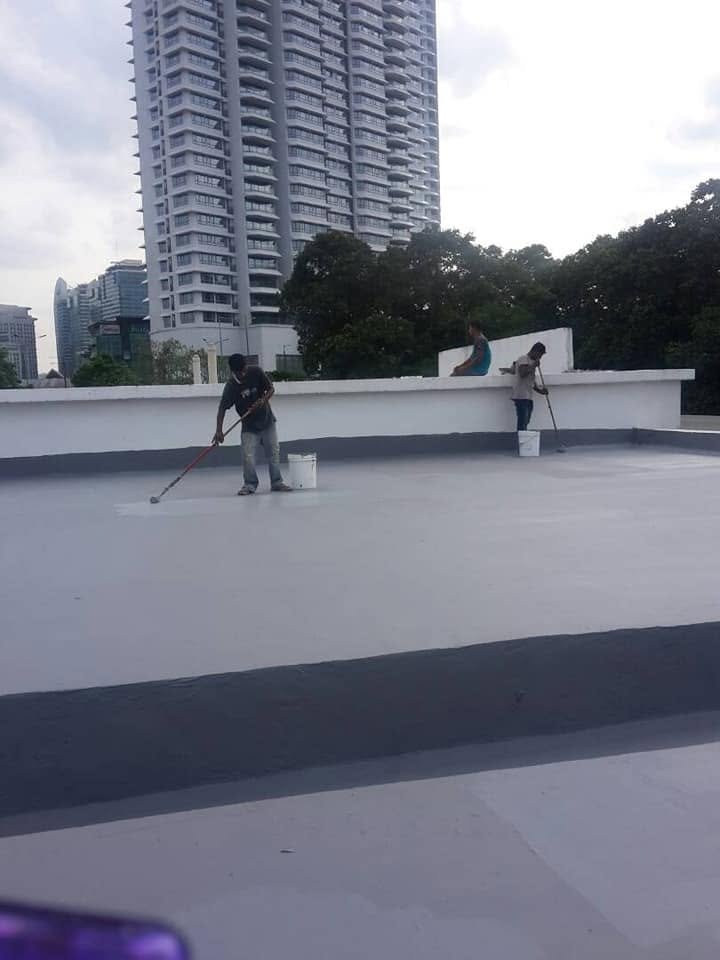
Water is one of the biggest causes of deterioration in buildings. When moisture penetrates concrete, roofs, walls, basements or other building elements, it can lead to dampness, staining, mould, corrosion and deterioration of construction materials.
A waterproofing membrane is one of the solutions commonly used to create a protective barrier against water penetration. Depending on the application, membrane systems can be installed on roofs, rooftops, basements, retaining walls, wet areas, swimming pools, foundations and other structures exposed to moisture.
In Malaysia, waterproofing is particularly important because buildings are exposed to frequent rainfall, high humidity, strong sunlight and temperature changes. The right waterproofing membrane can help protect a structure, but the membrane itself is only one part of a successful waterproofing system.
Surface preparation, detailing, drainage, substrate condition and correct installation are equally important.
This guide explains what a waterproofing membrane is, the different types available, where they are used, their advantages and limitations, the installation process, factors affecting cost and how to choose a suitable waterproofing contractor.
What Is a Waterproofing Membrane?
A waterproofing membrane is a continuous protective layer designed to reduce or prevent water from passing through a building surface or structure.
Depending on the product, membranes may be supplied as:
- Sheet membranes
- Liquid-applied membranes
- Bituminous membranes
- Polymer-modified membranes
- Thermoplastic membranes
- Polyurethane membranes
- Cementitious waterproofing systems
Some systems are bonded directly to the substrate, while others may be mechanically fixed or installed using specific application methods.
The appropriate membrane depends on the location, substrate, exposure conditions and expected movement of the structure.
For example, a roof exposed to sunlight and rain may require a different system from an underground basement or wet-area application.
Why Is Waterproofing Membrane Important?
Waterproofing is not simply about keeping a surface dry.
Moisture entering a building can create problems that become increasingly difficult to address if left untreated.
Potential issues include:
- Water leakage
- Damp concrete
- Ceiling stains
- Peeling paint
- Mould growth
- Concrete deterioration
- Corrosion of embedded reinforcement
- Damage to interior finishes
- Unpleasant odours
- Recurring maintenance problems
A properly designed waterproofing system provides a barrier between the structure and water.
However, waterproofing should normally be considered as part of a wider building protection strategy rather than relying on the membrane alone.
Types of Waterproofing Membrane
There are several types of waterproofing membrane available for different construction and repair requirements.
Self-Adhesive Modified Bituminous Membrane
Self-adhesive modified bituminous membranes are sheet materials that can be installed without torch application.
They can be useful in areas where the use of an open flame is undesirable or where access is limited.
Typical applications can include:
- Retaining walls
- Basements
- Below-ground structures
- Small or difficult-to-access areas
- Vertical surfaces
- Certain renovation projects
One advantage is that installation does not require torching, which can simplify certain projects.
Polymer-Modified Bitumen Membrane
Polymer-modified bitumen membranes combine bitumen with polymer components to improve properties such as flexibility and resistance to movement.
Depending on the system, they can be used for:
- Wet areas
- Swimming pools
- Below-ground structures
- Residential applications
- Industrial applications
- Renovation projects
These systems can provide a continuous waterproofing layer when properly installed and detailed.
Thermoplastic Waterproofing Membrane
Thermoplastic membranes include systems such as PVC and TPO.
They are commonly associated with roof waterproofing applications and can be suitable for certain new-build and refurbishment projects. Sika Sarnafil PVC Roofing Membrane
Their properties can include resistance to weather exposure and flexibility, depending on the specific product and system.
Thermoplastic membranes can be installed using different methods, including mechanical fixing and other approved installation techniques.
Bituminous Liquid Waterproofing Membrane
Liquid-applied bituminous membranes are applied directly onto suitable surfaces.
The liquid material forms a continuous waterproofing layer after curing.
They can be considered for applications such as:
- Roofs
- Basements
- Below-ground structures
- Concrete surfaces
- Certain bridge structures
One advantage of liquid systems is their ability to cover irregular surfaces and detailing areas without creating traditional sheet overlaps.
Polyurethane Waterproofing Membrane
Polyurethane membranes are liquid-applied waterproofing systems known for their flexibility.
They can be used on suitable concrete, masonry, cement-based and other approved substrates.
Polyurethane systems can be particularly useful for applications where flexibility and crack-bridging characteristics are important.
Bumi Bina’s waterproofing information describes polyurethane membrane systems for roof waterproofing and lists properties including elasticity, adhesion and resistance to weather exposure.
Where Are Waterproofing Membranes Used?
Waterproofing membranes can be used in many parts of residential, commercial and industrial buildings.
Roof and Rooftop
Roof waterproofing is one of the most common applications.
A membrane can help protect concrete rooftops and other suitable roof structures against rainwater penetration.
Roof membranes need to be selected carefully because they may be exposed to:
- UV radiation
- Heavy rainfall
- Heat
- Temperature changes
- Foot traffic
- Maintenance activities
The correct membrane should match the roof’s construction and intended use.
Basement
Basements are particularly vulnerable to water pressure because they are below ground level.
Waterproofing may need to address both surface moisture and hydrostatic pressure.
Depending on the construction, waterproofing can be installed externally or internally using an appropriate system.
Retaining Walls
Retaining walls can come into contact with soil moisture and groundwater.
Waterproofing helps protect the wall from continuous moisture exposure.
Drainage should also be considered because waterproofing alone does not replace the need for proper water management.
Bathroom and Wet Areas
Bathrooms, toilets and kitchens are exposed to water regularly.
Waterproofing membranes can be used beneath suitable floor and wall finishes to reduce the risk of water penetrating into the underlying structure.
Swimming Pools
Swimming pools require waterproofing systems that are suitable for continuous water exposure.
The membrane or waterproofing system needs to be compatible with the pool construction and finishing system.
Water Tanks and Reservoirs
Water-retaining structures require specialised waterproofing considerations.
The selected material needs to be appropriate for the specific application and exposure.
Bumi Bina lists water tanks, reservoirs, swimming pools, wet areas, underground structures, retaining walls and roofs among its waterproofing applications.
Advantages of Waterproofing Membrane
A properly selected membrane system can provide several benefits.
Protection Against Water Penetration
The primary purpose is to create a barrier that reduces water entering the protected structure.
Continuous Waterproofing Layer
Some systems can create a continuous layer across the surface, helping protect larger areas when correctly installed.
Flexibility
Certain membrane types are designed to accommodate movement within specified limits.
This can be important for roofs and structures exposed to thermal or structural movement.
Crack Bridging
Some waterproofing systems have crack-bridging characteristics that can help accommodate suitable cracks or movement.
However, significant structural cracks should still be assessed and repaired appropriately.
Weather Resistance
Membranes designed for external applications may offer resistance to sunlight and weather exposure.
The actual performance depends on the specific product and installation system.
Versatile Applications
Different membrane technologies can be used across roofs, basements, wet areas, retaining walls and other structures.
Waterproofing Membrane vs Waterproofing Coating
These terms are sometimes used interchangeably, but they can refer to different systems.
A waterproofing membrane generally refers to a dedicated waterproofing layer, which may be supplied as a sheet or liquid-applied system.
A waterproofing coating is generally applied as a protective coating over a prepared surface.
There can be overlap between the two categories because liquid-applied waterproofing products can form membrane-like continuous layers after curing.
The important point is to choose the system according to the application rather than assuming one product is suitable for every location.
Waterproofing Membrane Installation Process
Correct installation is critical to waterproofing performance.
A typical process may involve the following stages.
1. Site Inspection
The contractor first assesses the area.
Important factors include:
- Existing leakage
- Surface condition
- Cracks
- Drainage
- Previous waterproofing
- Joints
- Penetrations
- Accessibility
- Expected water exposure
2. Substrate Preparation
The surface must be prepared according to the requirements of the selected waterproofing system.
Preparation may include:
- Cleaning
- Removing loose material
- Repairing damaged concrete
- Treating cracks
- Levelling suitable areas
- Removing contaminants
Poor surface preparation can compromise adhesion and overall waterproofing performance.
3. Detailing
Corners, joints, drains, pipe penetrations and other vulnerable areas need appropriate detailing.
These locations are often critical because water can find pathways through small gaps.
4. Membrane Application
The selected membrane is installed according to the manufacturer’s system requirements.
Sheet membranes may require bonding, overlapping and sealing.
Liquid membranes may require multiple coats or specified application thickness.
5. Curing or Setting
The system needs sufficient time to cure, dry or set before subsequent work is carried out.
6. Inspection and Testing
The completed waterproofing should be inspected before the final surface finishes are installed.
Where appropriate, testing may be performed according to the project requirements.
Why Surface Preparation Matters
One of the most common reasons waterproofing systems fail is inadequate preparation.
A membrane may be technically suitable, but performance can still be affected if:
- The substrate is dirty
- The surface is unstable
- Cracks are untreated
- Moisture conditions are unsuitable
- Detailing is incomplete
- The membrane is incorrectly installed
- Required thickness is not achieved
For this reason, waterproofing should not be treated as simply applying a product over an existing surface.
The complete system matters.
Signs That Existing Waterproofing Has Failed
Property owners should watch for signs such as:
- Recurring ceiling stains
- Damp walls
- Water dripping during rainfall
- Bubbling paint
- Peeling finishes
- Mould
- Damp patches
- Cracked waterproofing surfaces
- Standing water
- Water appearing around joints or penetrations
If leakage continues after previous waterproofing work, it may be necessary to investigate the original source instead of simply applying another layer.
Factors Affecting Waterproofing Membrane Cost
There is no universal price for waterproofing membrane installation.
The final cost depends on several project-specific factors.
Area Size
A larger surface requires more materials and labour.
Substrate Condition
Extensive concrete repairs or surface preparation can increase the project scope.
Membrane Type
Different membrane technologies have different material and installation requirements.
Accessibility
A difficult-to-access rooftop, basement or vertical surface may require additional labour and equipment.
Number of Layers
Some liquid-applied systems require multiple coats or specific thicknesses.
Detailing
Drains, corners, joints, pipe penetrations and other details can increase installation complexity.
Existing Waterproofing
Removing or repairing old waterproofing can add preparation work.
Protection and Finishing
Some applications require additional protection layers or finishing systems above the waterproofing membrane.
Therefore, a site inspection and detailed quotation are usually more useful than comparing a simple cost per square metre without understanding the full scope.
How to Choose the Right Waterproofing Membrane
The best membrane is not necessarily the most expensive one.
Consider these factors before selecting a system.
Identify the Water Source
Determine whether the problem comes from rainwater, groundwater, plumbing, surface water or another source.
Understand the Substrate
Concrete, metal, masonry and other surfaces may require different preparation and waterproofing systems.
Consider Exposure
An exposed rooftop has different requirements from an underground structure.
Consider Movement
If the structure experiences thermal or other movement, flexibility may be an important consideration.
Check Drainage
Waterproofing should work together with appropriate drainage.
Consider Future Maintenance
The system should be practical to inspect and maintain.
Use Experienced Contractors
Installation quality can have a significant impact on the performance of the waterproofing system.
Common Waterproofing Membrane Mistakes
Choosing the Wrong System
A product designed for one application may not be appropriate for another.
Ignoring Existing Cracks
Cracks should be assessed and treated appropriately before waterproofing.
Skipping Surface Preparation
Applying a membrane to a contaminated or unsuitable surface can affect adhesion.
Ignoring Drainage
Water needs a proper path to leave the structure.
Poor Detailing
Small areas around drains, joints and penetrations can become weak points if not properly treated.
Applying the Wrong Thickness
Liquid-applied systems need to meet the required application thickness specified for the system.
Covering the Membrane Too Quickly
The waterproofing system needs adequate curing or setting time before subsequent layers are installed.
Waterproofing Membrane for New Buildings vs Existing Buildings
The approach can differ significantly between new construction and renovation.
New Construction
During new construction, waterproofing can be incorporated into the building design from the beginning.
This makes it easier to coordinate:
- Drainage
- Slopes
- Joints
- Waterproofing details
- Protective layers
- Finishes
Existing Buildings
Renovation projects can be more complicated because existing defects must be identified first.
The contractor may need to remove old finishes, investigate leakage, repair concrete and prepare the existing substrate before installing a new system.
For older buildings with recurring leaks, identifying the cause is often more important than simply applying another waterproofing layer.
Why Professional Waterproofing Matters
Waterproofing is a technical building system.
The quality of the final result depends on more than the membrane product itself.
Professional assessment can help determine:
- Where water is entering
- What type of membrane is appropriate
- Whether concrete repairs are necessary
- How drainage should be addressed
- Which areas require additional detailing
- Whether existing waterproofing needs to be removed
Bumi Bina provides waterproofing system services covering coating, membrane and cementitious systems, alongside PU injection, concrete repair and other related building services. Its published waterproofing applications include roofs, rooftops, underground structures, foundations, retaining walls, lift pits, swimming pools and wet areas.
Call Us Now Your
Waterproofing Membrane Specialist Contractor in Malaysia 012–6846079 (Dato Suhaimi)

Waterproofing Membrane for Malaysian Buildings
Malaysia’s climate makes waterproofing an important consideration for both residential and commercial buildings.
Heavy rainfall can expose weaknesses in roofs, balconies, concrete slabs and other structures.
At the same time, high temperatures and UV exposure can affect external waterproofing systems.
For exposed applications, it is therefore important to consider:
- UV resistance
- Weather resistance
- Flexibility
- Adhesion
- Crack-bridging capability
- Drainage
- Surface preparation
- Long-term maintenance
The correct solution depends on the actual building condition and application.
When Should You Replace Existing Waterproofing?
Replacement may be considered when the existing waterproofing system is extensively deteriorated, repeatedly failing or no longer suitable for the building.
However, replacement is not automatically necessary for every leak.
If the problem is localised, targeted repair may be more appropriate.
A contractor should assess the existing system and determine whether repair, re-waterproofing or replacement provides the most suitable solution.
Conclusion
A waterproofing membrane can play an important role in protecting buildings from water penetration and moisture-related deterioration.
However, choosing the right membrane is only one part of the process. The substrate, drainage, cracks, joints, penetrations, environmental exposure and installation method all need to be considered.
For roofs, basements, retaining walls, bathrooms, swimming pools, water tanks and other wet areas, different waterproofing technologies may be appropriate.
Before starting a waterproofing project, arrange a proper site inspection and ask the contractor to explain the proposed system, preparation work, application method and finishing requirements.
For projects involving recurring leakage, concrete deterioration or complex waterproofing requirements, working with a contractor experienced in waterproofing and concrete repair can help ensure the problem is approached systematically.
FAQ
- What is a waterproofing membrane?
A waterproofing membrane is a protective layer designed to reduce or prevent water penetration through suitable building surfaces and structures. - What are the main types of waterproofing membrane?
Common types include modified bituminous membranes, self-adhesive membranes, thermoplastic PVC or TPO membranes, liquid-applied bituminous membranes and polyurethane membranes. - Where can waterproofing membranes be used?
They can be used in suitable applications such as roofs, rooftops, basements, retaining walls, foundations, bathrooms, swimming pools, water tanks and other wet areas. - Is waterproofing membrane suitable for roof waterproofing?
Yes. Certain membrane systems are specifically designed for exposed or protected roof applications. The appropriate system depends on the roof construction and exposure conditions. - Is waterproofing membrane better than waterproofing coating?
Neither is universally better. The appropriate system depends on the substrate, location, water exposure, movement, detailing and project requirements. - How long does a waterproofing membrane last?
Service life varies according to the membrane type, installation quality, environmental exposure, maintenance and building conditions. The manufacturer’s technical information should be consulted for the specific system. - Can waterproofing membrane be installed over existing waterproofing?
Sometimes, but this depends on the condition and compatibility of the existing system. Proper inspection and surface preparation are important before installing a new layer. - How much does waterproofing membrane cost in Malaysia?
Cost varies according to the membrane type, area size, substrate condition, accessibility, preparation, detailing and finishing requirements. A site inspection is recommended before obtaining a quotation. - Can waterproofing membrane stop an existing roof leak?
It can help address leakage when the correct system is selected and properly installed, but the actual source of the leak should first be identified and any necessary repairs completed. - Why does waterproofing fail even after membrane installation?
Possible reasons include poor surface preparation, incorrect membrane selection, inadequate detailing, untreated cracks, installation problems, drainage issues or damage to the waterproofing layer.