

Building Waterproofing Services Malaysia: Complete Guide to Waterproofing Systems, Applications & Professional Contractors
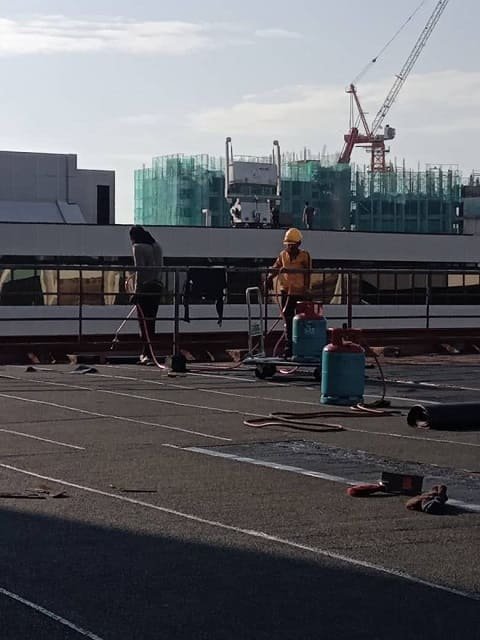
Water leakage is one of the most common maintenance challenges affecting residential, commercial and industrial buildings in Malaysia. A small damp patch on a ceiling or wall may appear harmless at first, but continuous water intrusion can eventually damage finishes, encourage mould growth and contribute to deterioration of building materials.
Professional building waterproofing services help property owners identify sources of water penetration, repair affected areas and install suitable waterproofing systems to protect buildings against moisture-related damage.
In Malaysia, buildings face demanding environmental conditions. Heavy rainfall, high humidity, intense sunlight and frequent temperature changes can place significant stress on exposed roofs, balconies, concrete slabs and waterproofing materials.
However, waterproofing is not simply about applying a coating over a leaking surface. Different building components require different waterproofing methods, materials and installation procedures.
A concrete rooftop may require a membrane system, while a leaking basement wall may need crack injection, drainage improvements or a waterproofing solution designed for groundwater exposure.
This guide explains the types of building waterproofing services available in Malaysia, common causes of leakage, waterproofing systems, installation methods, cost considerations and how to choose a suitable contractor.
What Are Building Waterproofing Services?
Building waterproofing services refer to professional work designed to prevent, control or repair water penetration through building structures and surfaces.
These services may involve inspection, leak detection, surface preparation, concrete repair, waterproofing application and maintenance.
Depending on the condition of the building, the work may include:
- Roof waterproofing
- Rooftop waterproofing
- Basement waterproofing
- Bathroom and toilet waterproofing
- Balcony and terrace waterproofing
- Concrete slab waterproofing
- Retaining wall waterproofing
- Swimming pool waterproofing
- Water tank waterproofing
- PU injection and grouting
- Waterproofing membrane installation
- Crack sealing and concrete repair
- Waterproofing maintenance and restoration
The correct approach depends on where water is entering, how it moves through the structure and which building materials are affected.
Why Is Building Waterproofing Important in Malaysia?
Malaysia’s tropical climate creates challenging conditions for building maintenance.
Frequent rainstorms can expose weaknesses in roofing systems, joints and drainage, while long-term moisture exposure can affect concrete and other construction materials.
Protection Against Water Damage
A suitable waterproofing system helps prevent water from entering vulnerable areas of the building.
This can reduce the risk of dampness, damaged finishes and moisture-related deterioration.
Protection of Concrete Structures
Water entering concrete through cracks or defects can contribute to corrosion of embedded steel reinforcement under suitable conditions.
Over time, this may affect the durability of the structure.
Waterproofing is one part of a broader strategy for protecting concrete against moisture exposure.
Reduced Maintenance Problems
Recurring leaks can lead to repeated repainting, ceiling repairs and replacement of damaged finishes.
Addressing the underlying source of water intrusion may help reduce repeated maintenance work.
Improved Indoor Conditions
Persistent dampness can contribute to mould growth and unpleasant odours.
Repairing water intrusion and allowing affected areas to dry properly can help address these conditions.
Better Building Durability
Correctly specified waterproofing systems can help protect vulnerable building components from prolonged water exposure.
However, waterproofing must be supported by appropriate drainage, detailing and ongoing maintenance.
Common Causes of Water Leakage in Buildings
Understanding the cause of leakage is essential before selecting a repair method.
Cracked Concrete
Concrete can develop cracks because of shrinkage, movement, loading or other factors.
Some cracks are superficial, while others may indicate more significant structural concerns.
Water can enter through suitable crack pathways, particularly when exposed to rainfall or groundwater pressure.
Failed Waterproofing Membrane
Existing membranes may deteriorate because of ageing, movement, installation defects or physical damage.
Once the waterproofing layer is compromised, water may penetrate the underlying structure.
Poor Joint Sealing
Construction joints, expansion joints and connections between building elements require appropriate detailing.
Failed sealants or damaged joint systems can create water-entry points.
Blocked Drainage
Water that cannot drain properly may accumulate on rooftops, balconies or other surfaces.
Standing water can increase exposure at vulnerable areas.
Damaged Roofing Materials
Broken roof tiles, deteriorated flashings, loose roofing components and defective penetrations may allow rainwater to enter.
Plumbing Leakage
Not all dampness comes from external rainwater.
Leaking pipes, drainage connections and plumbing fixtures can also create moisture problems.
The source must be identified before waterproofing work begins.
Types of Building Waterproofing Services in Malaysia
Different areas of a building require different waterproofing approaches.
1. Roof Waterproofing Services
Roof waterproofing is one of the most important applications because roofs are directly exposed to rainfall and sunlight.
A roof may experience leakage due to cracks, damaged membranes, failed joints, deteriorated flashings or drainage problems.
Roof waterproofing services may include:
- Roof inspection
- Crack repair
- Surface preparation
- Joint sealing
- Waterproofing coating
- Membrane installation
- Drainage improvements
- Localised leak repair
The selected system depends on whether the roof is concrete, metal, tiled or another construction type.
For exposed rooftop slabs, UV resistance, weather resistance and drainage are important considerations.
2. Basement Waterproofing
Basements are vulnerable to moisture because they are located below ground level.
Water can enter through walls, floor slabs, joints and cracks.
Groundwater pressure may also influence the waterproofing design.
Possible solutions include:
- External waterproofing membranes
- Internal waterproofing systems
- Crack injection
- Joint treatment
- Drainage improvements
- Suitable protective layers
The correct system depends on the building structure, accessibility and groundwater conditions.
3. Bathroom and Toilet Waterproofing
Bathrooms and toilets are regularly exposed to water.
If the waterproofing layer beneath the tiles fails, moisture may penetrate the floor or surrounding walls.
Signs of failure can include:
- Ceiling stains below bathrooms
- Damp adjacent walls
- Loose tiles
- Persistent moisture
- Water dripping from lower floors
Bathroom waterproofing services may involve removing damaged finishes, repairing the substrate, installing an appropriate waterproofing system and restoring the floor or wall finish.
4. Balcony and Terrace Waterproofing
Balconies and terraces are exposed to rain, sunlight and temperature changes.
Waterproofing failures may occur around:
- Floor joints
- Door thresholds
- Drain outlets
- Wall connections
- Cracks
- Damaged membranes
Proper drainage and detailing are essential.
A waterproofing coating alone may not solve the problem if water is trapped because of poor surface falls.
5. Concrete Waterproofing
Concrete structures may require waterproofing to reduce water penetration and protect building components.
Applications can include:
- Concrete rooftops
- Floor slabs
- Underground structures
- Retaining walls
- Lift pits
- Foundations
- Water-retaining structures
Different concrete conditions require different repair and waterproofing strategies.
6. Swimming Pool Waterproofing
Swimming pools require waterproofing systems designed for continuous water exposure.
The system must be compatible with the pool structure, finishes and operating conditions.
Special attention is required around joints, penetrations and water-retaining surfaces.
7. Water Tank Waterproofing
Water tanks and reservoirs require specialised waterproofing considerations.
Materials must be suitable for the intended water exposure.
For potable-water applications, relevant product approvals and suitability for contact with drinking water must be verified.
8. Commercial and Industrial Waterproofing
Commercial and industrial buildings may contain large roofs, equipment penetrations, plant rooms, concrete decks and underground structures.
These environments can require coordinated waterproofing and building maintenance work.
Contractors should consider operational access, safety, downtime and the condition of existing systems.
Common Building Waterproofing Systems
Several waterproofing technologies are used in Malaysia.
Cementitious Waterproofing
Cementitious waterproofing uses cement-based materials formulated to provide water resistance.
It is commonly considered for suitable concrete and masonry applications.
Potential uses include:
- Bathrooms
- Toilets
- Concrete slabs
- Water-retaining structures
- Selected balconies
- Other compatible wet areas
The product must be selected according to the expected water exposure and substrate conditions.
Polyurethane Waterproofing
Polyurethane waterproofing systems are available in different formulations, including liquid-applied membranes.
Certain polyurethane systems offer flexibility and crack-bridging characteristics.
They may be suitable for selected roofs, balconies and other surfaces where movement accommodation is important.
However, performance depends on the formulation and installation specification.
Bituminous Waterproofing Membrane
Bituminous membranes are commonly used for roofs, underground structures and other suitable applications.
They may be installed using torch-applied, self-adhesive or other approved methods.
The installation method must match the product and site safety requirements.
PVC and TPO Waterproofing Membrane
Thermoplastic membranes such as PVC and TPO are often associated with roof waterproofing systems.
They can be used in certain new construction and refurbishment projects.
Their performance depends on the membrane specification, joint welding, detailing, fixing method and installation quality.
Liquid-Applied Waterproofing Membrane
Liquid-applied systems can form a continuous protective layer after curing.
They can be useful for surfaces with complex details or irregular shapes.
Correct application thickness and surface preparation are important for performance.
PU Injection and Grouting
Polyurethane injection is used for certain leakage problems involving concrete cracks, joints and water pathways.
The material is injected into suitable areas using specialised equipment.
PU injection may be useful where localised water intrusion can be addressed without removing extensive surface finishes.
However, it is not a universal replacement for external waterproofing or drainage.
Waterproofing Membrane vs Waterproofing Coating
Both systems are used to control water penetration, but their characteristics can differ.
| Feature | Waterproofing Membrane | Waterproofing Coating |
|---|---|---|
| Form | Sheet or liquid-applied membrane | Liquid-applied protective material |
| Typical applications | Roofs, basements, wet areas and underground structures | Roofs, concrete surfaces and selected wet areas |
| Installation | Bonding, fixing, welding or liquid application | Brush, roller, spray or other specified method |
| Joint detailing | Important for sheet systems | Important around penetrations and transitions |
| Flexibility | Depends on membrane type | Depends on coating formulation |
| UV resistance | Product-dependent | Product-dependent |
| Surface preparation | Essential | Essential |
| Maintenance | Depends on system and exposure | Depends on system and exposure |
Liquid-applied waterproofing products can fall into both categories because some coatings form a membrane after curing.
The correct choice depends on the actual application rather than the product label alone.
Professional Building Waterproofing Process
A systematic waterproofing process helps reduce the risk of recurring problems.
Step 1: Building Inspection
The contractor inspects the affected areas and identifies visible signs of leakage.
The assessment may include:
- Cracks
- Damp patches
- Damaged membranes
- Failed joints
- Ponding water
- Drainage problems
- Surface deterioration
- Previous repair work
Step 2: Identify the Water Source
The visible location of a leak may not be the actual entry point.
Water can travel through concrete, joints and other building elements before appearing inside a room.
The contractor should determine the likely pathway before recommending a repair.
Step 3: Select the Waterproofing System
The appropriate method is selected based on the building structure, substrate, water exposure and condition.
Step 4: Surface Preparation
Preparation may involve:
- Cleaning
- Removing loose materials
- Repairing concrete
- Treating cracks
- Preparing joints
- Removing incompatible coatings
- Correcting suitable surface defects
Step 5: Waterproofing Application
The selected membrane, coating or injection system is installed according to the relevant technical requirements.
Step 6: Curing and Protection
Some systems require curing before additional finishes or protective layers can be installed.
Step 7: Inspection and Testing
The completed work should be inspected.
Where appropriate, testing may be conducted according to the project requirements and system specifications.
Signs Your Building Needs Waterproofing Repair
Property owners and facility managers should look out for:
- Recurring ceiling stains
- Water dripping during rainfall
- Damp concrete walls
- Peeling paint
- Bubbling wall finishes
- Mould growth
- Musty odours
- Cracks with visible water seepage
- Water accumulation on rooftops
- Damp basement walls
- Leaking balconies
- Repeated waterproofing failures
These symptoms indicate the need for investigation, although they do not automatically confirm the source of water.
Building Waterproofing Cost Malaysia
The cost of building waterproofing services varies according to the location, type of structure, waterproofing system and condition of the affected area.
Factors Affecting Waterproofing Cost
| Cost factor | How it affects the project |
|---|---|
| Area size | Larger surfaces require more materials and labour |
| Type of waterproofing | Membranes, coatings and injection systems have different requirements |
| Existing damage | Cracks and concrete deterioration may need repairs |
| Surface preparation | Cleaning, hacking and coating removal can increase the scope |
| Accessibility | High roofs and confined spaces may require additional equipment |
| Waterproofing layers | Some systems require multiple coats or protective layers |
| Drainage repairs | Drainage defects may need correction |
| Building operations | Commercial projects may require phased work |
| Finishing requirements | Tiles, screeds or protective finishes may need reinstatement |
For an accurate quotation, a contractor should inspect the site and identify the actual scope of work.
A low quoted price may not represent good value if important preparation, crack repair or detailing is excluded.
How to Choose a Building Waterproofing Contractor in Malaysia
Selecting the right contractor is essential because waterproofing performance depends on material selection and installation quality.
Relevant Waterproofing Experience
Look for experience with the type of building and leakage problem involved.
Site Inspection
A professional contractor should assess the actual condition before recommending a detailed solution.
Clear Waterproofing Proposal
The proposal should explain the recommended system and why it is appropriate.
Material Specification
Ask about the membrane or coating type, preparation method, thickness and relevant product requirements.
Detailed Quotation
The quotation should identify the work included and any exclusions.
Safety Procedures
Work on roofs, elevated areas and confined spaces may require specific safety arrangements.
Maintenance Information
The contractor should explain inspection and maintenance requirements after installation.
Building Waterproofing Services by Bumi Bina Malaysia
For property owners looking for professional waterproofing solutions, Bumi Bina Resources (M) Sdn. Bhd. provides waterproofing and related building services in Malaysia.
Based on its published service information, Bumi Bina’s waterproofing capabilities include:
- Waterproofing coating systems
- Waterproofing membrane systems
- Cementitious waterproofing
- Polyurethane waterproofing
- PU injection and grouting
- Concrete repair
- Related building maintenance work
Its listed waterproofing applications include:
- Toilets, bathrooms and kitchens
- Roofs and rooftops
- Terraces and balconies
- Swimming pools
- Water tanks and reservoirs
- Underground structures
- Foundations
- Retaining walls
- Lift pits
These services may be relevant to residential, commercial and industrial buildings experiencing leakage or requiring waterproofing protection.
Bumi Bina also lists concrete repair and building maintenance among its services, which can be useful where waterproofing problems occur alongside deterioration of concrete or other building components.
Property owners can contact Bumi Bina to discuss their requirements and enquire about a suitable site assessment.
Building Waterproofing Services in Selangor and Kuala Lumpur
For property owners searching for waterproofing contractor Selangor or building waterproofing Kuala Lumpur, the most important consideration is whether the contractor has experience with the relevant building type and waterproofing problem.
For example, a leaking concrete rooftop in Shah Alam may require a different system from a basement wall in Kuala Lumpur or a factory roof in Klang.
A proper assessment should consider:
- Building age
- Existing waterproofing
- Water source
- Concrete condition
- Drainage
- Structural movement
- Exposure to sunlight
- Accessibility
- Maintenance requirements
Bumi Bina is based in Seri Kembangan, Selangor. Property owners should confirm the company’s current service coverage and project suitability before arranging work.
Preventive Building Waterproofing Maintenance
Waterproofing systems should be inspected periodically, particularly in areas exposed to heavy rain or continuous moisture.
Keep Drainage Systems Clear
Blocked drains can cause water to accumulate on roofs and balconies.
Inspect Joints and Penetrations
Areas around pipes, drains and wall connections should be checked for deterioration.
Monitor Cracks
New or widening cracks should be assessed.
Inspect Exposed Waterproofing
Look for blistering, peeling, punctures and other signs of deterioration.
Repair Problems Early
Small defects may become more complicated if water continues entering the structure.
Maintain Records
For commercial buildings, keeping records of inspections, repairs and waterproofing systems can support future maintenance planning.
Common Waterproofing Mistakes to Avoid
Applying Waterproofing Without Identifying the Leak
Covering a visible damp area may not solve the actual source of water intrusion.
Ignoring Concrete Damage
Cracks and deteriorated concrete should be assessed before waterproofing.
Choosing the Wrong Material
Different substrates and exposure conditions require different systems.
Poor Surface Preparation
Contamination, weak surfaces and unsuitable moisture conditions can affect adhesion.
Inadequate Joint Detailing
Joints and penetrations can become leakage points if not properly treated.
Ignoring Drainage
Waterproofing and drainage should work together.
Failing to Maintain the System
Even professionally installed systems require appropriate inspection and maintenance.
When Should You Repair or Replace Existing Waterproofing?
Not every leakage problem requires complete waterproofing replacement.
A localised defect may be suitable for targeted repair.
However, extensive deterioration, widespread leakage or repeated failure may indicate the need for a more comprehensive solution.
A contractor should assess:
- The condition of the existing membrane
- The extent of leakage
- The underlying substrate
- Compatibility with new materials
- Drainage conditions
- Previous repair history
The decision should be based on the actual condition rather than assuming that every leak requires a full replacement.
Conclusion
Professional building waterproofing services play an important role in protecting Malaysian properties from water intrusion and moisture-related deterioration.
Different areas of a building require different waterproofing solutions. Roofs, basements, bathrooms, balconies, swimming pools and underground structures should be assessed according to their individual conditions.
A successful waterproofing project depends on identifying the source of water, selecting a suitable system, preparing the substrate properly and carrying out correct installation.
For residential, commercial and industrial properties, choosing a contractor experienced in waterproofing, concrete repair and related building maintenance can help ensure that the proposed solution addresses the actual problem.
Looking for building waterproofing services in Malaysia? Contact Bumi Bina to discuss roof leakage, concrete waterproofing, membrane installation, PU injection or other relevant waterproofing requirements.
Call Us Now Your
Specialist Epoxy Coating Contractor in Malaysia 012–6846079 (Dato Suhaimi)

FAQ: Building Waterproofing Services
- 1. What are building waterproofing services?Building waterproofing services include inspection, leakage repair, surface preparation and installation of systems designed to reduce or prevent water penetration through building structures.
- 2. What areas of a building require waterproofing?Common areas include roofs, rooftops, bathrooms, balconies, basements, retaining walls, foundations, swimming pools, water tanks and other wet areas.
- 3. How much do building waterproofing services cost in Malaysia?Costs depend on the affected area, waterproofing method, substrate condition, accessibility, preparation work and project requirements. A site inspection is recommended for accurate pricing.
- 4. What is the best waterproofing system for a building?There is no single best system for every application. The appropriate choice depends on the structure, water exposure, substrate and performance requirements.
- 5. Can waterproofing stop an existing roof leak?Yes, a suitable waterproofing system may help resolve roof leakage when the actual source is identified and necessary repairs are completed.
- 6. What is PU injection waterproofing?PU injection involves injecting polyurethane-based materials into suitable cracks or joints to help control certain types of water leakage.
- 7. How long does building waterproofing last?Service life varies according to the system, installation quality, exposure conditions, maintenance and building movement. Product-specific technical information should be consulted.
- 8. Is waterproofing necessary for commercial buildings?Waterproofing is important wherever building components are exposed to water. Commercial buildings may require systems for roofs, basements, plant rooms, wet areas and other vulnerable locations.
- 9. Can waterproofing be applied over existing waterproofing?Sometimes, depending on the condition and compatibility of the existing system. Inspection and proper surface preparation are necessary before deciding.
- 10. How do I choose a waterproofing contractor in Malaysia?Choose a contractor with relevant experience, clear technical proposals, proper inspection procedures, suitable material specifications and detailed quotations.