
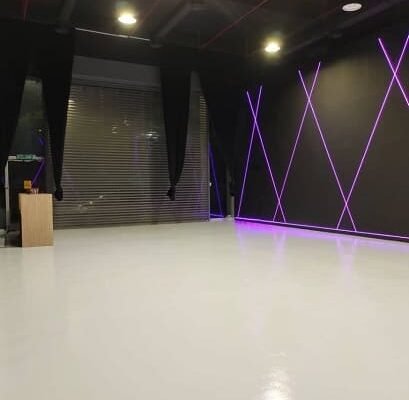
Epoxy Floor Malaysia: Complete Guide to Types, Benefits, Installation, Cost & Professional Flooring Solutions
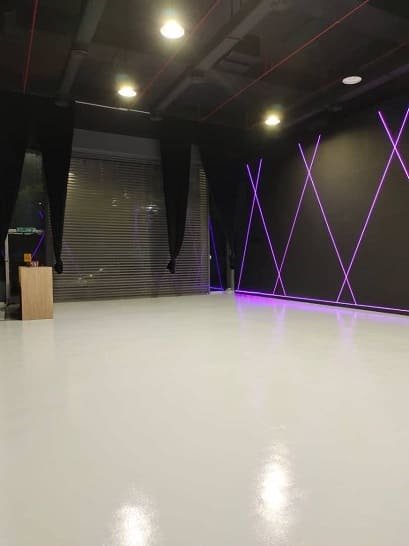
Concrete floors are widely used in Malaysian factories, warehouses, workshops, commercial properties and residential buildings. While concrete provides a strong structural base, untreated surfaces can become dusty, stained, worn or damaged after years of daily use.
For property owners and businesses searching for epoxy floor Malaysia solutions, epoxy flooring offers a practical way to improve surface protection, appearance and maintenance.
Epoxy flooring is a resin-based system applied over properly prepared concrete or other compatible substrates. Depending on the formulation, it can create a durable surface with resistance to abrasion, selected chemicals and regular operational wear.
In industrial environments, epoxy floors are often considered for production areas, storage facilities, workshops and commercial spaces where surface performance matters.
However, not every epoxy flooring system is suitable for every application. A residential garage may require a different specification from a factory exposed to forklift traffic, machinery loads or chemical spills.
This guide explains the main types of epoxy flooring available in Malaysia, their benefits, installation methods, maintenance requirements, cost considerations and how to select a suitable contractor.
What Is Epoxy Flooring?
Epoxy flooring is a resin-based floor finishing system commonly installed over prepared concrete.
Most conventional epoxy systems use two main components:
- Epoxy resin
- Compatible hardener
When mixed in the correct proportions, these components undergo a chemical reaction that produces a hardened polymer surface.
Depending on the product and application method, epoxy flooring can be installed as a relatively thin protective coating or a thicker industrial flooring system.
The resulting finish may be smooth, textured, decorative or designed for specialised operational requirements.
Epoxy flooring is commonly used in:
- Factories
- Warehouses
- Automotive workshops
- Commercial buildings
- Showrooms
- Laboratories
- Selected healthcare facilities
- Retail premises
- Residential garages
- Industrial production areas
The performance of an epoxy floor depends on the product specification, substrate condition, surface preparation, installation quality and operating environment.
Why Is Epoxy Floor Popular in Malaysia?
Malaysia has a broad range of industrial and commercial properties where floors experience frequent movement, cleaning and mechanical wear.
In warehouses and manufacturing facilities, concrete surfaces may be exposed to forklifts, pallet jacks, equipment and repeated loading.
Epoxy flooring can help protect the concrete while improving cleaning efficiency and the overall appearance of the premises.
Better Concrete Surface Protection
Untreated concrete may gradually produce dust and experience surface wear.
An appropriate epoxy flooring system creates a protective layer that can reduce direct exposure of the concrete to certain operating conditions.
Easier Cleaning
Epoxy floors can provide relatively smooth, sealed surfaces that are easier to clean than untreated concrete.
This is particularly useful in facilities where dust control and housekeeping are important.
Professional Appearance
Epoxy flooring is available in different colours and finishes.
Businesses may use coloured floors to improve the appearance of their premises or distinguish operational areas.
Suitable for Different Applications
Epoxy systems can be designed for light commercial environments, heavy-duty industrial use and decorative flooring.
Potential Maintenance Benefits
A properly installed epoxy system may reduce certain maintenance requirements associated with untreated concrete.
However, regular cleaning, inspections and repairs remain necessary.
Types of Epoxy Floor Available in Malaysia
Different epoxy systems are designed for different environments.
1. Epoxy Floor Coating
Epoxy floor coating is commonly used to provide surface protection and improve the appearance of concrete.
It may be suitable for selected garages, workshops, commercial premises and industrial areas with moderate operating demands.
Benefits can include:
- Reduced surface dusting
- Improved cleanability
- Attractive colour finishes
- Additional abrasion protection
- Resistance to selected contaminants
The required coating thickness depends on the product and intended use.
2. Self-Leveling Epoxy Flooring
Self-leveling epoxy floor systems are designed to produce a smooth, continuous resin surface.
They are commonly considered for environments where appearance, cleaning and controlled surface characteristics are important.
Typical applications include:
- Commercial buildings
- Manufacturing facilities
- Showrooms
- Laboratories
- Selected healthcare environments
- Electronics-related facilities with appropriate specialised specifications
Although described as self-leveling, these systems still require a properly prepared substrate.
Major concrete defects or uneven surfaces may need to be corrected before installation.
3. Epoxy Screed Flooring
Epoxy screed generally consists of resin combined with suitable aggregates to create a thicker flooring system.
It may be specified for demanding industrial environments.
Potential applications include:
- Heavy-duty workshops
- Production facilities
- Industrial processing areas
- Equipment zones
- Selected loading areas
The system must be designed according to the expected loading and mechanical requirements.
4. Epoxy Flake Flooring
Epoxy flake flooring incorporates decorative flakes into the resin system.
It can create an attractive finish while helping disguise minor visual imperfections.
This flooring type is commonly considered for:
- Residential garages
- Showrooms
- Retail premises
- Commercial spaces
- Selected service areas
Slip resistance depends on the texture and final finishing system.
5. Anti-Slip Epoxy Flooring
Smooth floors can become slippery when wet or contaminated.
Anti-slip epoxy systems use suitable aggregates or textured finishes to increase traction.
They may be appropriate for:
- Industrial workshops
- Loading areas
- Selected commercial kitchens
- Maintenance areas
- Wet-prone operational zones
The required level of slip resistance should be determined according to the actual operating environment.
6. Anti-Static Epoxy Flooring
Certain manufacturing environments require flooring that helps manage electrostatic discharge.
Specialised anti-static or ESD epoxy systems can be used where the design and performance requirements justify them.
These systems require appropriate installation, grounding arrangements and verification.
Ordinary epoxy coatings should not be assumed to provide ESD protection.
7. Decorative Epoxy Flooring
Decorative epoxy systems are designed to create distinctive visual finishes.
Options may include:
- Solid colours
- Decorative flakes
- Metallic effects
- Patterned finishes
- Selected terrazzo-style systems
They may be suitable for showrooms, retail premises and residential spaces.
Epoxy Floor vs Ordinary Floor Paint
Epoxy flooring is sometimes confused with conventional floor paint.
Although both can improve appearance, they are not necessarily equivalent.
| Feature | Epoxy Flooring | Ordinary Floor Paint |
|---|---|---|
| Main material | Reactive resin system | Depends on paint formulation |
| Surface protection | Can be specified for industrial use | Generally intended for lighter-duty finishing |
| Thickness | Thin coating to heavy-duty system | Usually relatively thin |
| Chemical resistance | Available with suitable formulations | Depends on paint type |
| Abrasion resistance | Can be high with suitable specification | Typically more limited |
| Surface preparation | Essential | Also required |
| Typical application | Industrial, commercial and residential | Light-duty decorative or protective use |
| Relative cost | Often higher | Often lower |
Actual performance depends on the specific products being compared.
Industrial Epoxy Flooring Malaysia
Industrial facilities often have more demanding flooring requirements than residential or retail properties.
A suitable industrial epoxy flooring system should be selected according to the activities performed in the building.
Important considerations include:
- Forklift movement
- Machinery loads
- Chemical exposure
- Surface abrasion
- Impact resistance
- Cleaning procedures
- Moisture conditions
- Temperature exposure
- Operational downtime
The coating thickness and material specification should match these conditions.
A thin decorative epoxy coating may not provide adequate protection for a heavily used factory floor.
Factory Epoxy Flooring
Factories commonly require durable flooring that supports daily operations.
Depending on the manufacturing process, floors may be exposed to equipment, mechanical wear, cleaning agents and liquid spills.
Epoxy flooring can be considered for:
- Production zones
- Assembly areas
- Packaging areas
- Maintenance rooms
- Storage sections
- Selected processing areas
Specialised industries may require additional performance characteristics such as chemical resistance, ESD protection or specific hygiene standards.
Contractors should review these requirements before recommending a system.
Warehouse Epoxy Floor
Warehouses often experience repeated movement from forklifts and pallet-handling equipment.
This can create significant wear on concrete surfaces.
An appropriate epoxy system may help improve floor protection and reduce concrete dusting.
Before installation, the contractor should inspect:
- Concrete condition
- Floor joints
- Existing cracks
- Wheel loads
- Traffic patterns
- Surface contamination
- Moisture levels
For heavily trafficked warehouses, flooring performance should take priority over decorative appearance.
Epoxy Floor for Commercial Buildings
Commercial properties may use epoxy flooring for both functional and aesthetic reasons.
Applications can include:
- Showrooms
- Retail spaces
- Offices
- Service centres
- Commercial workshops
- Selected parking areas
For customer-facing premises, colour and finish may be important.
For operational areas, cleaning, traction and wear resistance are often more significant.
Epoxy Floor for Residential Garages
Epoxy flooring can also be considered for residential garages.
Potential advantages include easier cleaning, improved appearance and reduced concrete dusting.
However, homeowners should understand that:
- Oil contamination must be removed during preparation.
- Moisture problems may affect adhesion.
- Smooth finishes can become slippery.
- Some epoxy products may discolour under sunlight.
- The floor must be allowed to cure before vehicles return.
A suitable garage flooring system should account for vehicle use, tyre contact, cleaning and exposure conditions.
Benefits of Epoxy Floor Coating
Durable Surface
Properly specified epoxy flooring can offer good resistance to everyday abrasion and mechanical wear.
Dust Reduction
A sealed epoxy surface can reduce dust generation from untreated concrete.
Easy Cleaning
Smooth, continuous finishes generally allow easier removal of dirt and spills.
Chemical Resistance
Certain epoxy formulations provide resistance to selected chemicals, oils and cleaning products.
Compatibility should always be verified against the chemicals used at the facility.
Customisable Finish
Different colours and textures are available for commercial, industrial and decorative applications.
Improved Floor Organisation
Coloured flooring can be used to identify designated work zones and walkways.
Protection of Existing Concrete
A suitable epoxy system can reduce direct surface exposure to certain forms of wear and contamination.
Limitations of Epoxy Flooring
Epoxy flooring has advantages, but it is not suitable for every situation.
Moisture Problems
Excessive moisture within or beneath concrete can cause coating defects.
Moisture testing and suitable preparation may be necessary.
UV Discolouration
Some epoxy formulations can yellow or change colour under prolonged sunlight.
UV-resistant topcoats or alternative systems may be more appropriate for exposed areas.
Slippery Surfaces
Smooth epoxy can become slippery when wet.
Anti-slip finishes should be considered where needed.
Installation Downtime
Epoxy requires preparation, application and curing.
The floor cannot be returned to full use until the system has reached the required condition.
Structural Damage
Epoxy does not automatically repair structural movement, serious concrete damage or underlying water intrusion.
These issues should be assessed before coating work begins.
Epoxy Floor Installation Process
Professional epoxy flooring installation involves several stages.
Step 1: Site Inspection
The contractor assesses the existing floor and identifies operational requirements.
This includes examining cracks, joints, contamination, moisture and surface deterioration.
Step 2: Surface Preparation
The concrete surface must be properly prepared.
Depending on the project, this may involve grinding, shot blasting or other suitable methods.
The purpose is to remove contaminants and create the required surface profile.
Step 3: Concrete Repair
Damaged areas, cracks and holes may require repair before coating installation.
Movement joints must be treated appropriately.
Step 4: Primer Application
Some epoxy systems require a compatible primer to support bonding and subsequent application.
Step 5: Epoxy Application
The resin and hardener are mixed according to the manufacturer’s instructions.
The material is then applied using appropriate tools and techniques.
Step 6: Additional Layers
Depending on the system, further coats, aggregates or protective topcoats may be installed.
Step 7: Curing
The coating must be allowed to cure before the floor is exposed to traffic.
Curing times vary according to the product and site conditions.
Step 8: Final Inspection
The completed floor is inspected for visible defects, coverage and relevant specification requirements.
Specialised systems may require additional testing.
Epoxy Floor Price Malaysia: Factors Affecting Cost
The cost of epoxy flooring varies according to the project.
A basic garage coating and an industrial epoxy screed system will not have the same material or installation requirements.
| Cost factor | Impact on epoxy flooring |
|---|---|
| Floor area | Determines material quantity and labour scope |
| Epoxy type | Different systems have different material costs |
| Thickness | Thicker systems generally require more material |
| Concrete condition | Repairs and preparation may be necessary |
| Existing coatings | Removal can increase labour |
| Moisture problems | May require additional treatment |
| Traffic requirements | Heavy-duty applications may require specialised systems |
| Decorative finish | Flakes and special effects can increase complexity |
| Accessibility | Difficult access may affect installation |
| Project schedule | Restricted downtime may increase labour requirements |
For an accurate epoxy floor price Malaysia quotation, a site inspection is recommended.
Contractors should provide clear information about the system specification, preparation work, application thickness and exclusions.
Epoxy Flooring vs Polyurethane Flooring
Epoxy and polyurethane are both resin-based flooring technologies, but their properties can differ.
| Feature | Epoxy Flooring | Polyurethane Flooring |
|---|---|---|
| Surface hardness | Generally good | Depends on formulation |
| Flexibility | Typically more rigid | Certain systems offer greater flexibility |
| Abrasion resistance | Good with suitable specification | Good with suitable specification |
| Chemical resistance | Formulation-dependent | Formulation-dependent |
| UV resistance | Some systems may yellow | Certain aliphatic systems offer improved UV resistance |
| Applications | Warehouses, factories, workshops, commercial floors | Selected industrial, commercial and exposed areas |
| Maintenance | Depends on finish and exposure | Depends on finish and exposure |
The best choice depends on the actual operating conditions rather than the material name alone.
Epoxy Floor vs Concrete Floor Hardener
Another common comparison is between epoxy flooring and concrete floor hardener.
Concrete floor hardener is generally used to improve the performance of concrete surfaces.
Epoxy flooring forms a separate resin-based protective layer over the substrate.
Concrete hardener systems may be suitable where the primary objective is improving concrete surface wear resistance.
Epoxy may be preferred when a resin finish, specific chemical resistance or decorative surface is required.
For industrial projects, both options should be assessed according to loading, floor condition and maintenance requirements.
Common Causes of Epoxy Floor Failure
Poor Surface Preparation
Dust, grease, weak concrete or contamination can prevent proper bonding.
Excessive Moisture
Moisture can contribute to blistering or delamination.
Incorrect Mixing
Resin and hardener must be mixed in the specified proportions.
Inadequate Thickness
A coating that does not meet the required thickness may fail to achieve its intended performance.
Wrong System Selection
A light-duty coating may not withstand heavy industrial traffic.
Insufficient Curing
Allowing traffic too early can damage the floor.
Poor Joint Detailing
Movement joints require appropriate treatment to accommodate structural movement.
How to Maintain an Epoxy Floor
Regular maintenance helps preserve floor appearance and performance.
Recommended practices include:
- Remove dust and abrasive debris regularly.
- Clean spills promptly.
- Use suitable cleaning products.
- Avoid unnecessary impact from heavy equipment.
- Inspect damaged areas.
- Maintain floor joints.
- Follow the manufacturer’s cleaning recommendations.
For industrial facilities, cleaning procedures should match the actual operating environment.
How Long Does Epoxy Flooring Last?
There is no single guaranteed lifespan for all epoxy floors.
Service life depends on:
- Epoxy formulation
- System thickness
- Surface preparation
- Concrete quality
- Installation workmanship
- Traffic intensity
- Chemical exposure
- Cleaning methods
- Maintenance
A lightly used showroom floor may experience very different wear compared with a warehouse exposed to continuous forklift traffic.
Instead of relying on generic lifespan claims, ask the contractor about the intended service conditions and maintenance requirements.
How to Choose an Epoxy Flooring Contractor in Malaysia
Selecting a suitable contractor is important for achieving the required flooring performance.
Check Relevant Experience
Look for experience with projects similar to yours.
A contractor familiar with industrial flooring may be better equipped to assess warehouse and factory requirements.
Request a Site Inspection
A proper assessment helps identify substrate problems before installation.
Ask About Material Specifications
Confirm the proposed epoxy system, thickness, preparation method and finishing requirements.
Review the Quotation
The quotation should clearly state what is included.
Discuss the Project Schedule
Installation and curing may affect business operations.
Understand Maintenance Requirements
The contractor should explain how to clean and maintain the finished floor.
Epoxy Flooring Services by Bumi Bina Malaysia
For businesses and property owners looking for epoxy flooring Malaysia solutions, Bumi Bina Resources (M) Sdn. Bhd. offers building-related services that include industrial flooring and epoxy floor systems.
Its published service categories include:
- Epoxy floor painting
- Epoxy flake flooring
- Self-leveling epoxy
- Epoxy screed
- Anti-static epoxy flooring
- Epoxy terrazzo
Bumi Bina also lists concrete repair, floor hardener systems, waterproofing and general building works among its services.
These related services may be relevant where an existing concrete floor requires repairs or additional preparation before a new flooring system is installed.
For industrial and commercial projects, property owners can contact Bumi Bina to discuss their requirements and request an assessment of suitable flooring options.
Call Us Now Your
Specialist Epoxy Floor Malaysia Contractor 012–6846079 (Dato Suhaimi)

Epoxy Floor Contractor in Selangor and Kuala Lumpur
Businesses searching for epoxy flooring Selangor, epoxy floor contractor KL or industrial epoxy flooring Malaysia should select a system according to the facility’s actual needs.
For example, a warehouse in Shah Alam may require different flooring performance from a showroom in Petaling Jaya or a manufacturing facility in Klang.
Important factors include:
- Concrete condition
- Forklift and pedestrian traffic
- Machinery loads
- Chemical exposure
- Cleaning requirements
- Operational downtime
- Floor moisture
- Slip resistance
A site-specific proposal is more useful than choosing a standard coating package without assessing these conditions.
When Should You Repair or Replace an Existing Epoxy Floor?
An old epoxy floor does not always require complete replacement.
Depending on its condition, localised repair or recoating may be possible.
However, more extensive work may be required when there is:
- Widespread peeling
- Severe abrasion
- Persistent blistering
- Delamination
- Chemical damage
- Significant concrete deterioration
- Repeated moisture-related failure
A contractor should inspect the existing coating and determine whether it is suitable for repair or recoating.
Applying new epoxy over a failing surface without proper preparation may lead to recurring problems.
Conclusion: Is Epoxy Floor Worth It in Malaysia?
Epoxy floor Malaysia solutions can be a practical choice for improving the protection, appearance and maintenance of concrete floors.
Whether used in factories, warehouses, workshops, commercial buildings or residential garages, epoxy flooring can provide useful performance benefits when the correct system is selected.
However, the quality of the final result depends on more than the resin itself.
Surface preparation, substrate condition, application thickness, curing and maintenance all influence performance.
Before appointing a contractor, arrange a proper site inspection and request a detailed quotation that explains the proposed system and scope of work.
Looking for a professional epoxy floor contractor in Malaysia? Contact Bumi Bina to discuss your industrial or commercial flooring requirements and explore suitable epoxy flooring solutions.
FAQ: Epoxy Floor Malaysia
- 1. What is epoxy flooring?Epoxy flooring is a resin-based floor finishing system applied over properly prepared concrete or other compatible substrates. It creates a bonded protective surface suitable for different residential, commercial and industrial applications.
- 2. How much does epoxy floor cost in Malaysia?The cost depends on the floor area, epoxy type, thickness, concrete condition, surface preparation and installation requirements. A site inspection is recommended for an accurate quotation.
- 3. Is epoxy flooring suitable for factories?Yes. Properly specified industrial epoxy systems can be suitable for factories and production facilities. The selected system should match the expected traffic, loading and chemical exposure.
- 4. Can epoxy flooring be installed over old concrete?Yes, provided the concrete is structurally suitable and properly prepared. Cracks, contamination and moisture problems may require treatment before installation.
- 5. Is epoxy flooring waterproof?A continuous epoxy coating can resist liquid penetration under suitable conditions, but ordinary epoxy flooring should not automatically be treated as a complete structural waterproofing system.
- 6. How long does epoxy floor installation take?Installation time varies according to floor size, preparation requirements, number of layers, product type and curing conditions.
- 7. Is epoxy flooring slippery?Smooth epoxy can become slippery when wet. Textured or anti-slip finishes can be used where additional traction is required.
- 8. Can epoxy flooring be used outdoors?Certain systems may be suitable for specific outdoor applications, but some epoxy products can discolour under UV exposure. A suitable UV-resistant topcoat or alternative flooring system may be recommended.
- 9. What is the difference between epoxy floor paint and self-leveling epoxy?Epoxy floor paint is generally a thinner coating system, while self-leveling epoxy is designed to create a thicker, smoother resin surface for appropriate applications.
- 10. How do I choose the best epoxy floor contractor in Malaysia?Look for relevant project experience, clear specifications, proper surface preparation, detailed quotations and a flooring system that matches the intended use.