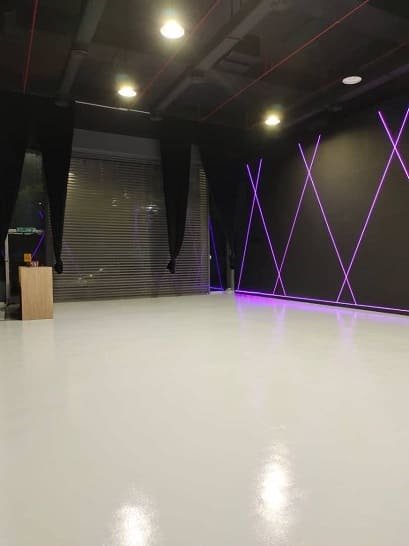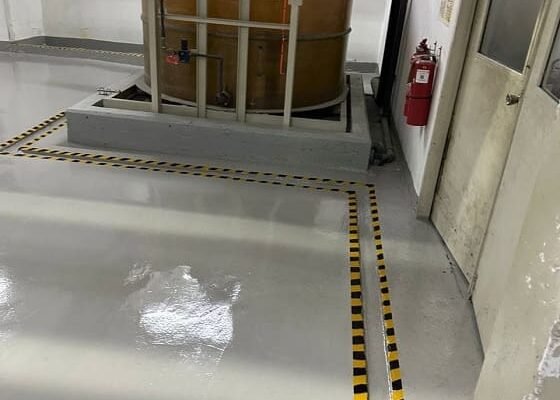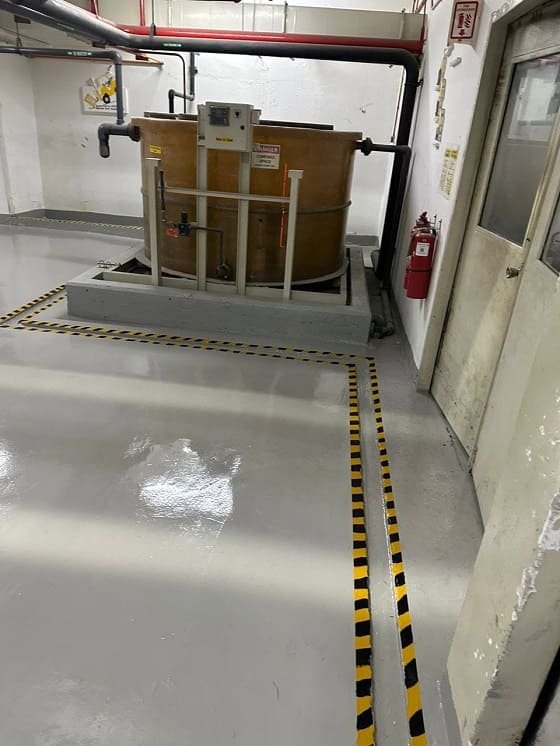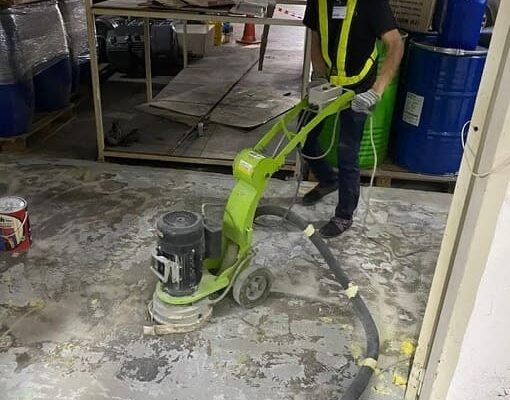
resin flooring Malaysia industrial epoxy floor installation

Resin Flooring Malaysia: Epoxy, Polyurethane & Industrial Resin Floor Systems, Prices and Installation Guide

Resin Flooring Malaysia: Complete Guide to Epoxy, Polyurethane, Industrial Resin Floors, Prices & Installation
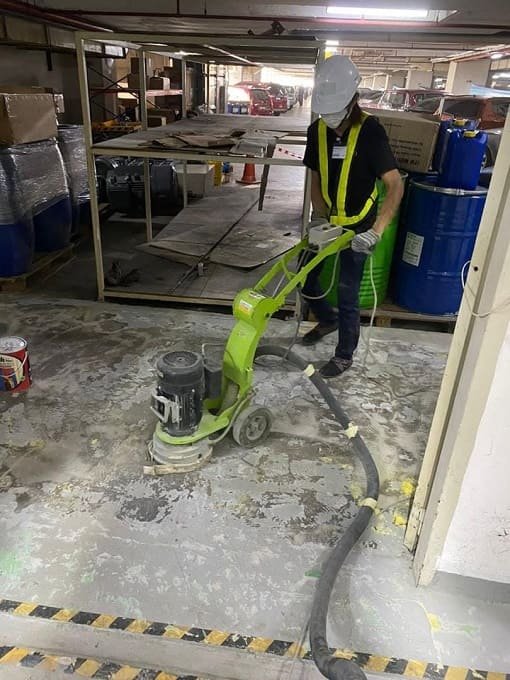
resin flooring Malaysia industrial epoxy floor installation

Industrial and commercial floors must withstand more than ordinary foot traffic. In factories, warehouses, production facilities, commercial kitchens and workshops, flooring systems may be exposed to heavy equipment, chemical spills, abrasion, moisture and frequent cleaning.

Traditional concrete flooring can perform well under suitable conditions, but some facilities require additional surface protection to improve durability, hygiene, chemical resistance and maintenance.

This is where resin flooring Malaysia solutions become relevant.

Resin flooring refers to flooring systems made from polymer-based materials, commonly including epoxy and polyurethane formulations. These materials are applied over prepared substrates to form protective coatings, self-leveling surfaces or thicker industrial flooring systems.

Depending on the formulation and installation method, resin flooring can provide a seamless finish, improved abrasion resistance, easier cleaning and specialised performance characteristics.

However, not every resin flooring system is suitable for every environment.

A warehouse with forklift traffic may require a different specification from a food-processing facility exposed to hot-water cleaning. Likewise, an electronics factory may require electrostatic discharge control, while a chemical-processing area may need specialised chemical resistance.

This guide explains the main resin flooring systems available in Malaysia, their applications, advantages, limitations, installation process, cost factors and maintenance requirements.

What Is Resin Flooring?

Resin flooring is a floor finishing or protection system that uses synthetic resin materials to create a bonded surface over a suitable substrate, typically concrete.

The resin is mixed and applied according to its formulation. It then cures to form a protective flooring layer.

Depending on the system, the finished floor may be thin, thick, smooth, textured, flexible or designed for specific industrial conditions.

Common resin flooring categories include:

  • Epoxy floor coating

  • Self-leveling epoxy flooring

  • Epoxy mortar flooring

  • Polyurethane flooring

  • Polyurethane concrete flooring

  • Anti-slip resin flooring

  • Chemical-resistant resin flooring

  • ESD and anti-static flooring

  • Decorative resin flooring

  • Resin floor resurfacing systems

The appropriate choice depends on expected traffic, exposure conditions, substrate quality and operational requirements.

Why Resin Flooring Is Popular in Malaysia

Resin flooring is commonly considered for industrial and commercial facilities because it can provide performance characteristics that untreated concrete may not offer.

1. Improved Surface Protection

Suitable resin systems protect concrete from certain types of abrasion, spills and surface deterioration.

2. Seamless Appearance

Many resin flooring systems can create a continuous finish with fewer joints than conventional tiled flooring.

Existing structural and movement joints still require appropriate treatment.

3. Easier Cleaning

A properly installed resin floor can provide a relatively smooth, non-porous surface that is easier to clean than damaged or highly porous concrete.

4. Chemical Resistance

Specialised resin systems can resist exposure to selected chemicals.

Resistance depends on the chemical, concentration, temperature and contact duration.

5. Different Surface Finishes

Resin floors can be specified with smooth, textured, decorative or slip-resistant finishes.

6. Suitability for Industrial Operations

Heavy-duty systems may be designed for warehouses, production facilities and areas exposed to industrial traffic.

Types of Resin Flooring Systems in Malaysia

1. Epoxy Resin Flooring

Epoxy resin flooring is widely used for industrial and commercial floor protection.

Epoxy systems generally consist of resin and hardener components that react to form a durable coating or flooring layer.

Common applications include:

  • Warehouses

  • Factories

  • Workshops

  • Commercial premises

  • Car parks

  • Storage facilities

  • Production areas

Epoxy flooring Malaysia is available in different thicknesses and performance grades.

Thin epoxy paint systems should not be confused with thicker, heavy-duty epoxy screeds.

2. Self-Leveling Epoxy Flooring

Self-leveling epoxy is designed to create a relatively smooth and uniform surface when applied over a properly prepared substrate.

It is often considered for:

  • Manufacturing facilities

  • Laboratories

  • Clean production areas

  • Pharmaceutical-related environments

  • Commercial facilities

The finished floor’s flatness depends on the existing substrate, application thickness and installation quality.

The term self-leveling does not mean the material can correct unlimited floor unevenness.

3. Polyurethane Resin Flooring

Polyurethane resin flooring is available in various formulations with different flexibility and chemical-resistance characteristics.

Certain polyurethane systems are suitable for environments where movement or specific exposure conditions make them preferable to conventional rigid coatings.

Potential applications include commercial, industrial and selected production areas.

Product specifications must be reviewed carefully because polyurethane coatings and polyurethane concrete systems are not interchangeable.

4. Polyurethane Concrete Flooring

Polyurethane concrete, also known as PU concrete or polyurethane cement flooring, combines polyurethane chemistry with cementitious and aggregate components.

It is commonly considered for demanding industrial environments.

Typical applications include:

  • Food-processing facilities

  • Commercial kitchens

  • Beverage production

  • Wet production areas

  • Industrial washdown zones

  • Facilities with temperature fluctuations

Some PU concrete systems are designed for thermal shock and aggressive cleaning conditions.

Actual performance depends on the specified product and thickness.

5. Epoxy Mortar Flooring

Epoxy mortar flooring incorporates aggregates to create a thicker, more robust flooring system.

It may be suitable for areas requiring improved impact or mechanical resistance.

Correct substrate preparation and installation are essential.

6. Anti-Slip Resin Flooring

Anti-slip resin flooring incorporates textured finishes or suitable aggregates to improve slip resistance.

It is often considered for:

  • Wet production areas

  • Loading zones

  • Ramps

  • Commercial kitchens

  • Industrial walkways

Slip resistance must be matched to the environment, cleaning regime and footwear conditions.

7. ESD and Anti-Static Resin Flooring

Electrostatic discharge flooring is designed to manage static electricity under specified conditions.

It may be required in:

  • Electronics manufacturing

  • Certain laboratories

  • Sensitive equipment areas

  • Selected production facilities

ESD performance depends on the complete flooring system, including primers, conductive layers, grounding arrangements and testing.

An ordinary epoxy coating should not be assumed to provide ESD protection.

8. Decorative Resin Flooring

Decorative resin flooring can provide coloured, flake, quartz or other finishes for commercial and selected residential environments.

Appearance, slip resistance and UV stability should be considered when selecting the system.

Epoxy vs Polyurethane vs PU Concrete Flooring

Feature Epoxy flooring Polyurethane flooring PU concrete flooring
Main material Epoxy resin Polyurethane resin Polyurethane-cement composite
Typical application Factories, warehouses, commercial floors Selected industrial and commercial areas Food processing and demanding industrial areas
Surface finish Smooth or textured Smooth or textured Smooth or textured
Flexibility Generally relatively rigid Formulation-dependent Formulation-dependent
Chemical resistance Product-specific Product-specific Product-specific
Thermal shock resistance Depends on system Depends on system Certain systems designed for demanding thermal conditions
Installation thickness Thin coating to thick screed Varies by product Typically thicker industrial systems
Best selection basis Mechanical and chemical requirements Exposure and flexibility requirements Wet processing and demanding operational conditions

There is no single best resin flooring system for every project.

The correct choice depends on the facility’s operating conditions.

Where Is Resin Flooring Used in Malaysia?

Factory Resin Flooring

Manufacturing facilities often require floors capable of handling equipment, production traffic and routine cleaning.

Suitable resin systems can provide surface protection and a defined finish.

Warehouse Resin Flooring

Warehouses may experience forklift traffic, pallet movement and abrasion.

The specification should consider wheel loads, traffic intensity and the condition of the concrete slab.

Food Processing Facilities

Food production environments may require flooring systems compatible with frequent cleaning, wet conditions and temperature changes.

PU concrete is often considered for demanding applications.

Commercial Kitchens

Kitchen floors require attention to cleaning, drainage and slip resistance.

The selected resin system should be compatible with the expected exposure.

Automotive Workshops

Automotive facilities may need floors resistant to selected oils, lubricants and cleaning chemicals.

Chemical resistance should be verified against the intended substances.

Pharmaceutical and Laboratory Facilities

These environments may require smooth, cleanable surfaces and carefully controlled installation details.

Specific regulatory or operational requirements must be assessed separately.

Electronics Manufacturing

Some electronics facilities require tested ESD flooring systems.

Grounding and electrical resistance performance must meet the relevant project specifications.

Commercial Buildings

Resin flooring can also be considered for showrooms, service areas, corridors and selected car parks.

Resin Flooring Thickness: How Much Is Required?

Flooring thickness is an important specification because different systems provide different performance characteristics.

The following ranges are illustrative, not universal product specifications.

Resin flooring type Illustrative thickness range Typical purpose
Thin epoxy coating Approximately 0.2–0.5 mm Light-duty surface protection
High-build epoxy coating Approximately 0.5–1 mm Increased coating build
Self-leveling epoxy Approximately 1–3 mm Smooth industrial finish
Epoxy mortar or screed Approximately 3–6 mm or more Heavy-duty applications
PU concrete Approximately 4–9 mm or more Demanding industrial conditions

Actual thickness should follow the manufacturer’s technical data sheet and the project’s mechanical, chemical and thermal requirements.

A thicker system is not automatically the correct solution if the underlying concrete is weak or damaged.

Resin Flooring Installation Process

Step 1: Site Inspection

The contractor assesses the existing floor, including cracks, surface contamination, moisture and signs of deterioration.

Step 2: Substrate Testing

Relevant testing may include moisture assessment, surface strength and other checks required by the flooring specification.

Step 3: Surface Preparation

Mechanical grinding, shot blasting or other suitable preparation methods are used to remove weak surface material and establish the required surface profile.

Step 4: Concrete Repair

Cracks, damaged joints and defective concrete are repaired using compatible materials.

Active structural movement requires appropriate assessment.

Step 5: Primer Application

A compatible primer may be applied to improve bonding or address specified substrate conditions.

Step 6: Resin Flooring Application

The selected coating, self-leveling resin, screed or PU concrete system is installed according to the product requirements.

Step 7: Surface Finishing

The required smooth, textured or aggregate finish is formed.

Step 8: Curing

The floor is allowed to cure before pedestrian traffic, equipment movement or chemical exposure.

Step 9: Quality Inspection

The completed flooring is inspected for visible defects and any specified performance requirements.

Common Resin Flooring Problems

Peeling or Delamination

Possible causes include inadequate surface preparation, weak concrete, moisture or incompatible materials.

Blistering

Blisters may result from moisture, trapped air, application conditions or other substrate-related factors.

Cracking

Cracks may originate from the concrete substrate or movement joints.

A resin layer does not automatically eliminate underlying structural movement.

Discolouration

Some resin systems can change colour under UV exposure or chemical contact.

Slippery Surfaces

Smooth resin finishes may become slippery under wet or contaminated conditions.

A suitable slip-resistant finish should be specified where needed.

Premature Wear

Heavy traffic, unsuitable system thickness or abrasive conditions can accelerate surface deterioration.

Resin Flooring Price Malaysia: What Affects the Cost?

The price of resin flooring in Malaysia depends on the flooring system, substrate condition and project requirements.

Cost factor Effect on price
Floor area Affects material quantities and labour
Resin type Epoxy, polyurethane and PU concrete differ in cost
System thickness Thicker systems generally require more material
Surface preparation Grinding and shot blasting add work
Concrete repair Cracks and damaged areas require treatment
Moisture condition May require specialist preparation or barriers
Anti-slip finish Additional aggregates and application steps
Chemical resistance Specialist formulations may cost more
ESD requirements Conductive layers, grounding and testing
Access and downtime Installation scheduling affects labour and logistics

How Much Does Resin Flooring Cost Per Square Foot?

There is no single reliable price per square foot that applies to every resin flooring project.

A thin epoxy coating for a lightly used storage area is not directly comparable to a thick PU concrete system for a food-processing facility.

Similarly, a new concrete slab with a sound surface may require less preparation than an old factory floor with damaged joints and contaminated concrete.

For accurate pricing, request a quotation specifying the system, thickness, preparation method and performance requirements.

How to Choose a Resin Flooring Contractor Malaysia

Check Relevant Experience

Choose a contractor familiar with the intended flooring system and facility type.

Review Material Specifications

Ask for the proposed product’s technical data sheet and recommended application thickness.

Assess Surface Preparation

A durable resin floor depends heavily on the quality of the substrate.

Confirm Chemical and Mechanical Requirements

The contractor should understand traffic loads, chemical exposure, cleaning procedures and operating temperatures.

Ask About Downtime

Confirm when the floor can safely receive pedestrian traffic, equipment and full operational loading.

Review the Quotation

Check whether concrete repairs, preparation, primer, resin layers, joint treatment and testing are included.

Understand Warranty Terms

If a warranty is offered, review its conditions, limitations and exclusions.

Resin Flooring Selangor and Kuala Lumpur

Resin flooring requirements are relevant to industrial and commercial properties throughout the Klang Valley.

Potential project locations include:

  • Shah Alam

  • Klang

  • Petaling Jaya

  • Subang Jaya

  • Puchong

  • Seri Kembangan

  • Kajang

  • Bangi

  • Rawang

  • Kuala Lumpur

Industrial facilities in these areas may require epoxy coatings, heavy-duty resin flooring, PU concrete or floor resurfacing.

The correct system depends on operational requirements, and contractor availability should be confirmed for the specific site.

Bumi Bina – Industrial Resin Flooring Services Malaysia

Bumi Bina Resources (M) Sdn. Bhd. is a Malaysian construction and specialist flooring service provider based in Seri Kembangan, Selangor.

Its published industrial flooring services include epoxy coatings, self-leveling epoxy, polyurethane-cement screeds, dry-shake hardeners, liquid hardeners and related flooring systems.

The company also lists concrete repair and other construction services that may be relevant when preparing damaged industrial floors.

Resin Flooring Services to Enquire About

Factory owners, warehouse operators and commercial property managers can discuss:

  • Epoxy floor coating

  • Self-leveling epoxy flooring

  • Polyurethane-cement flooring

  • Industrial floor resurfacing

  • Concrete floor repair

  • Protective floor coatings

  • Heavy-duty industrial flooring requirements

Specific material availability, technical specifications and project suitability should be confirmed directly.

Contact Bumi Bina

Company: Bumi Bina Resources (M) Sdn. Bhd.

Address: 23-1, Jalan PUJ 3/9, Taman Puncak Jalil, 43300 Seri Kembangan, Selangor, Malaysia.

Phone: 012-684 6079 (En. Suhaimi)

Website: https://bumibina.com

Need resin flooring for a factory, warehouse or commercial property? Contact Bumi Bina to discuss the existing floor condition, operating requirements and suitable flooring systems.

Resin Flooring Maintenance Tips

Proper maintenance helps protect the flooring system and identify developing defects.

  • Clean spills promptly using compatible methods.

  • Use cleaning chemicals approved for the selected resin system.

  • Remove abrasive dirt and debris regularly.

  • Inspect floor joints and cracks.

  • Avoid dragging sharp or heavy objects across the surface.

  • Use suitable protection beneath equipment where necessary.

  • Repair damaged areas before deterioration spreads.

  • Follow the flooring manufacturer’s maintenance instructions.

  • Monitor wear in high-traffic areas.

The cleaning method should match the floor’s chemical resistance and surface texture.

FAQ: Resin Flooring Malaysia

– 1. What is resin flooring?

Resin flooring is a protective or decorative floor system made from polymer-based materials such as epoxy or polyurethane, applied over a suitable substrate.

– 2. How much does resin flooring cost in Malaysia?

Costs depend on resin type, system thickness, floor area, substrate condition and performance requirements. A site-specific quotation is recommended.

– 3. Is epoxy flooring the same as resin flooring?

Epoxy flooring is one type of resin flooring. Other types include polyurethane and polyurethane concrete systems.

– 4. Which resin flooring is best for factories?

The best system depends on equipment loads, traffic, chemical exposure and cleaning requirements. Epoxy and PU concrete are among the systems commonly considered.

– 5. Is resin flooring suitable for warehouses?

Yes, suitable industrial resin flooring systems can be specified for warehouse environments, subject to the expected traffic and concrete condition.

– 6. What is the difference between epoxy and polyurethane flooring?

They use different resin chemistries and have different performance characteristics. Selection depends on the specific formulation and application.

– 7. Is resin flooring waterproof?

Many properly installed resin systems resist liquid penetration, but the ability to function as a complete waterproofing system depends on the product, thickness, joints and substrate conditions.

– 8. Can resin flooring be installed over old concrete?

Yes, if the existing concrete is suitable after assessment, preparation and necessary repairs.

– 9. How long does resin flooring installation take?

The duration depends on floor area, preparation, number of layers, environmental conditions and curing requirements.

– 10. Does Bumi Bina provide resin flooring services in Malaysia?

Bumi Bina lists epoxy coating, self-leveling epoxy and polyurethane-cement screeds among its industrial flooring systems. Contact the company to confirm the appropriate solution for your project.

Conclusion

Resin flooring Malaysia solutions offer a range of options for protecting and finishing industrial and commercial concrete floors.

Epoxy coatings, self-leveling epoxy, polyurethane flooring and PU concrete systems each provide different performance characteristics.

Choosing the correct system requires careful consideration of traffic, chemical exposure, cleaning methods, operating temperature, slip resistance and substrate condition.

Proper surface preparation, application thickness and curing are essential for achieving the intended performance.

For factories, warehouses, commercial kitchens, workshops and other facilities, professional assessment can help determine whether the project requires a protective coating, self-leveling finish or heavy-duty industrial flooring system.

Looking for resin flooring installation in Malaysia? Contact Bumi Bina at 012-684 6079 to discuss your factory, warehouse or commercial flooring requirements.

Call Us Now Your

Resin Flooring Malaysia Specialist Contractor  012–6846079 (Dato Suhaimi)

Call Now

epoxy floor Malaysia industrial concrete flooring installation

Epoxy Floor Malaysia: Types, Benefits, Installation, Cost & Contractor Guide

Epoxy Floor Malaysia: Complete Guide to Types, Benefits, Installation, Cost & Professional Flooring Solutions

epoxy floor Malaysia industrial concrete flooring installation

Concrete floors are widely used in Malaysian factories, warehouses, workshops, commercial properties and residential buildings. While concrete provides a strong structural base, untreated surfaces can become dusty, stained, worn or damaged after years of daily use.

For property owners and businesses searching for epoxy floor Malaysia solutions, epoxy flooring offers a practical way to improve surface protection, appearance and maintenance.

Epoxy flooring is a resin-based system applied over properly prepared concrete or other compatible substrates. Depending on the formulation, it can create a durable surface with resistance to abrasion, selected chemicals and regular operational wear.

In industrial environments, epoxy floors are often considered for production areas, storage facilities, workshops and commercial spaces where surface performance matters.

However, not every epoxy flooring system is suitable for every application. A residential garage may require a different specification from a factory exposed to forklift traffic, machinery loads or chemical spills.

This guide explains the main types of epoxy flooring available in Malaysia, their benefits, installation methods, maintenance requirements, cost considerations and how to select a suitable contractor.

What Is Epoxy Flooring?

Epoxy flooring is a resin-based floor finishing system commonly installed over prepared concrete.

Most conventional epoxy systems use two main components:

  • Epoxy resin
  • Compatible hardener

When mixed in the correct proportions, these components undergo a chemical reaction that produces a hardened polymer surface.

Depending on the product and application method, epoxy flooring can be installed as a relatively thin protective coating or a thicker industrial flooring system.

The resulting finish may be smooth, textured, decorative or designed for specialised operational requirements.

Epoxy flooring is commonly used in:

  • Factories
  • Warehouses
  • Automotive workshops
  • Commercial buildings
  • Showrooms
  • Laboratories
  • Selected healthcare facilities
  • Retail premises
  • Residential garages
  • Industrial production areas

The performance of an epoxy floor depends on the product specification, substrate condition, surface preparation, installation quality and operating environment.

Why Is Epoxy Floor Popular in Malaysia?

Malaysia has a broad range of industrial and commercial properties where floors experience frequent movement, cleaning and mechanical wear.

In warehouses and manufacturing facilities, concrete surfaces may be exposed to forklifts, pallet jacks, equipment and repeated loading.

Epoxy flooring can help protect the concrete while improving cleaning efficiency and the overall appearance of the premises.

Better Concrete Surface Protection

Untreated concrete may gradually produce dust and experience surface wear.

An appropriate epoxy flooring system creates a protective layer that can reduce direct exposure of the concrete to certain operating conditions.

Easier Cleaning

Epoxy floors can provide relatively smooth, sealed surfaces that are easier to clean than untreated concrete.

This is particularly useful in facilities where dust control and housekeeping are important.

Professional Appearance

Epoxy flooring is available in different colours and finishes.

Businesses may use coloured floors to improve the appearance of their premises or distinguish operational areas.

Suitable for Different Applications

Epoxy systems can be designed for light commercial environments, heavy-duty industrial use and decorative flooring.

Potential Maintenance Benefits

A properly installed epoxy system may reduce certain maintenance requirements associated with untreated concrete.

However, regular cleaning, inspections and repairs remain necessary.

Types of Epoxy Floor Available in Malaysia

Different epoxy systems are designed for different environments.

1. Epoxy Floor Coating

Epoxy floor coating is commonly used to provide surface protection and improve the appearance of concrete.

It may be suitable for selected garages, workshops, commercial premises and industrial areas with moderate operating demands.

Benefits can include:

  • Reduced surface dusting
  • Improved cleanability
  • Attractive colour finishes
  • Additional abrasion protection
  • Resistance to selected contaminants

The required coating thickness depends on the product and intended use.

2. Self-Leveling Epoxy Flooring

Self-leveling epoxy floor systems are designed to produce a smooth, continuous resin surface.

They are commonly considered for environments where appearance, cleaning and controlled surface characteristics are important.

Typical applications include:

  • Commercial buildings
  • Manufacturing facilities
  • Showrooms
  • Laboratories
  • Selected healthcare environments
  • Electronics-related facilities with appropriate specialised specifications

Although described as self-leveling, these systems still require a properly prepared substrate.

Major concrete defects or uneven surfaces may need to be corrected before installation.

3. Epoxy Screed Flooring

Epoxy screed generally consists of resin combined with suitable aggregates to create a thicker flooring system.

It may be specified for demanding industrial environments.

Potential applications include:

  • Heavy-duty workshops
  • Production facilities
  • Industrial processing areas
  • Equipment zones
  • Selected loading areas

The system must be designed according to the expected loading and mechanical requirements.

4. Epoxy Flake Flooring

Epoxy flake flooring incorporates decorative flakes into the resin system.

It can create an attractive finish while helping disguise minor visual imperfections.

This flooring type is commonly considered for:

  • Residential garages
  • Showrooms
  • Retail premises
  • Commercial spaces
  • Selected service areas

Slip resistance depends on the texture and final finishing system.

5. Anti-Slip Epoxy Flooring

Smooth floors can become slippery when wet or contaminated.

Anti-slip epoxy systems use suitable aggregates or textured finishes to increase traction.

They may be appropriate for:

  • Industrial workshops
  • Loading areas
  • Selected commercial kitchens
  • Maintenance areas
  • Wet-prone operational zones

The required level of slip resistance should be determined according to the actual operating environment.

6. Anti-Static Epoxy Flooring

Certain manufacturing environments require flooring that helps manage electrostatic discharge.

Specialised anti-static or ESD epoxy systems can be used where the design and performance requirements justify them.

These systems require appropriate installation, grounding arrangements and verification.

Ordinary epoxy coatings should not be assumed to provide ESD protection.

7. Decorative Epoxy Flooring

Decorative epoxy systems are designed to create distinctive visual finishes.

Options may include:

  • Solid colours
  • Decorative flakes
  • Metallic effects
  • Patterned finishes
  • Selected terrazzo-style systems

They may be suitable for showrooms, retail premises and residential spaces.

Epoxy Floor vs Ordinary Floor Paint

Epoxy flooring is sometimes confused with conventional floor paint.

Although both can improve appearance, they are not necessarily equivalent.

Feature Epoxy Flooring Ordinary Floor Paint
Main material Reactive resin system Depends on paint formulation
Surface protection Can be specified for industrial use Generally intended for lighter-duty finishing
Thickness Thin coating to heavy-duty system Usually relatively thin
Chemical resistance Available with suitable formulations Depends on paint type
Abrasion resistance Can be high with suitable specification Typically more limited
Surface preparation Essential Also required
Typical application Industrial, commercial and residential Light-duty decorative or protective use
Relative cost Often higher Often lower

Actual performance depends on the specific products being compared.

Industrial Epoxy Flooring Malaysia

Industrial facilities often have more demanding flooring requirements than residential or retail properties.

A suitable industrial epoxy flooring system should be selected according to the activities performed in the building.

Important considerations include:

  • Forklift movement
  • Machinery loads
  • Chemical exposure
  • Surface abrasion
  • Impact resistance
  • Cleaning procedures
  • Moisture conditions
  • Temperature exposure
  • Operational downtime

The coating thickness and material specification should match these conditions.

A thin decorative epoxy coating may not provide adequate protection for a heavily used factory floor.

Factory Epoxy Flooring

Factories commonly require durable flooring that supports daily operations.

Depending on the manufacturing process, floors may be exposed to equipment, mechanical wear, cleaning agents and liquid spills.

Epoxy flooring can be considered for:

  • Production zones
  • Assembly areas
  • Packaging areas
  • Maintenance rooms
  • Storage sections
  • Selected processing areas

Specialised industries may require additional performance characteristics such as chemical resistance, ESD protection or specific hygiene standards.

Contractors should review these requirements before recommending a system.

Warehouse Epoxy Floor

Warehouses often experience repeated movement from forklifts and pallet-handling equipment.

This can create significant wear on concrete surfaces.

An appropriate epoxy system may help improve floor protection and reduce concrete dusting.

Before installation, the contractor should inspect:

  • Concrete condition
  • Floor joints
  • Existing cracks
  • Wheel loads
  • Traffic patterns
  • Surface contamination
  • Moisture levels

For heavily trafficked warehouses, flooring performance should take priority over decorative appearance.

Epoxy Floor for Commercial Buildings

Commercial properties may use epoxy flooring for both functional and aesthetic reasons.

Applications can include:

  • Showrooms
  • Retail spaces
  • Offices
  • Service centres
  • Commercial workshops
  • Selected parking areas

For customer-facing premises, colour and finish may be important.

For operational areas, cleaning, traction and wear resistance are often more significant.

Epoxy Floor for Residential Garages

Epoxy flooring can also be considered for residential garages.

Potential advantages include easier cleaning, improved appearance and reduced concrete dusting.

However, homeowners should understand that:

  • Oil contamination must be removed during preparation.
  • Moisture problems may affect adhesion.
  • Smooth finishes can become slippery.
  • Some epoxy products may discolour under sunlight.
  • The floor must be allowed to cure before vehicles return.

A suitable garage flooring system should account for vehicle use, tyre contact, cleaning and exposure conditions.

Benefits of Epoxy Floor Coating

Durable Surface

Properly specified epoxy flooring can offer good resistance to everyday abrasion and mechanical wear.

Dust Reduction

A sealed epoxy surface can reduce dust generation from untreated concrete.

Easy Cleaning

Smooth, continuous finishes generally allow easier removal of dirt and spills.

Chemical Resistance

Certain epoxy formulations provide resistance to selected chemicals, oils and cleaning products.

Compatibility should always be verified against the chemicals used at the facility.

Customisable Finish

Different colours and textures are available for commercial, industrial and decorative applications.

Improved Floor Organisation

Coloured flooring can be used to identify designated work zones and walkways.

Protection of Existing Concrete

A suitable epoxy system can reduce direct surface exposure to certain forms of wear and contamination.

Limitations of Epoxy Flooring

Epoxy flooring has advantages, but it is not suitable for every situation.

Moisture Problems

Excessive moisture within or beneath concrete can cause coating defects.

Moisture testing and suitable preparation may be necessary.

UV Discolouration

Some epoxy formulations can yellow or change colour under prolonged sunlight.

UV-resistant topcoats or alternative systems may be more appropriate for exposed areas.

Slippery Surfaces

Smooth epoxy can become slippery when wet.

Anti-slip finishes should be considered where needed.

Installation Downtime

Epoxy requires preparation, application and curing.

The floor cannot be returned to full use until the system has reached the required condition.

Structural Damage

Epoxy does not automatically repair structural movement, serious concrete damage or underlying water intrusion.

These issues should be assessed before coating work begins.

Epoxy Floor Installation Process

Professional epoxy flooring installation involves several stages.

Step 1: Site Inspection

The contractor assesses the existing floor and identifies operational requirements.

This includes examining cracks, joints, contamination, moisture and surface deterioration.

Step 2: Surface Preparation

The concrete surface must be properly prepared.

Depending on the project, this may involve grinding, shot blasting or other suitable methods.

The purpose is to remove contaminants and create the required surface profile.

Step 3: Concrete Repair

Damaged areas, cracks and holes may require repair before coating installation.

Movement joints must be treated appropriately.

Step 4: Primer Application

Some epoxy systems require a compatible primer to support bonding and subsequent application.

Step 5: Epoxy Application

The resin and hardener are mixed according to the manufacturer’s instructions.

The material is then applied using appropriate tools and techniques.

Step 6: Additional Layers

Depending on the system, further coats, aggregates or protective topcoats may be installed.

Step 7: Curing

The coating must be allowed to cure before the floor is exposed to traffic.

Curing times vary according to the product and site conditions.

Step 8: Final Inspection

The completed floor is inspected for visible defects, coverage and relevant specification requirements.

Specialised systems may require additional testing.

Epoxy Floor Price Malaysia: Factors Affecting Cost

The cost of epoxy flooring varies according to the project.

A basic garage coating and an industrial epoxy screed system will not have the same material or installation requirements.

Cost factor Impact on epoxy flooring
Floor area Determines material quantity and labour scope
Epoxy type Different systems have different material costs
Thickness Thicker systems generally require more material
Concrete condition Repairs and preparation may be necessary
Existing coatings Removal can increase labour
Moisture problems May require additional treatment
Traffic requirements Heavy-duty applications may require specialised systems
Decorative finish Flakes and special effects can increase complexity
Accessibility Difficult access may affect installation
Project schedule Restricted downtime may increase labour requirements

For an accurate epoxy floor price Malaysia quotation, a site inspection is recommended.

Contractors should provide clear information about the system specification, preparation work, application thickness and exclusions.

Epoxy Flooring vs Polyurethane Flooring

Epoxy and polyurethane are both resin-based flooring technologies, but their properties can differ.

Feature Epoxy Flooring Polyurethane Flooring
Surface hardness Generally good Depends on formulation
Flexibility Typically more rigid Certain systems offer greater flexibility
Abrasion resistance Good with suitable specification Good with suitable specification
Chemical resistance Formulation-dependent Formulation-dependent
UV resistance Some systems may yellow Certain aliphatic systems offer improved UV resistance
Applications Warehouses, factories, workshops, commercial floors Selected industrial, commercial and exposed areas
Maintenance Depends on finish and exposure Depends on finish and exposure

The best choice depends on the actual operating conditions rather than the material name alone.

Epoxy Floor vs Concrete Floor Hardener

Another common comparison is between epoxy flooring and concrete floor hardener.

Concrete floor hardener is generally used to improve the performance of concrete surfaces.

Epoxy flooring forms a separate resin-based protective layer over the substrate.

Concrete hardener systems may be suitable where the primary objective is improving concrete surface wear resistance.

Epoxy may be preferred when a resin finish, specific chemical resistance or decorative surface is required.

For industrial projects, both options should be assessed according to loading, floor condition and maintenance requirements.

Common Causes of Epoxy Floor Failure

Poor Surface Preparation

Dust, grease, weak concrete or contamination can prevent proper bonding.

Excessive Moisture

Moisture can contribute to blistering or delamination.

Incorrect Mixing

Resin and hardener must be mixed in the specified proportions.

Inadequate Thickness

A coating that does not meet the required thickness may fail to achieve its intended performance.

Wrong System Selection

A light-duty coating may not withstand heavy industrial traffic.

Insufficient Curing

Allowing traffic too early can damage the floor.

Poor Joint Detailing

Movement joints require appropriate treatment to accommodate structural movement.

How to Maintain an Epoxy Floor

Regular maintenance helps preserve floor appearance and performance.

Recommended practices include:

  • Remove dust and abrasive debris regularly.
  • Clean spills promptly.
  • Use suitable cleaning products.
  • Avoid unnecessary impact from heavy equipment.
  • Inspect damaged areas.
  • Maintain floor joints.
  • Follow the manufacturer’s cleaning recommendations.

For industrial facilities, cleaning procedures should match the actual operating environment.

How Long Does Epoxy Flooring Last?

There is no single guaranteed lifespan for all epoxy floors.

Service life depends on:

  • Epoxy formulation
  • System thickness
  • Surface preparation
  • Concrete quality
  • Installation workmanship
  • Traffic intensity
  • Chemical exposure
  • Cleaning methods
  • Maintenance

A lightly used showroom floor may experience very different wear compared with a warehouse exposed to continuous forklift traffic.

Instead of relying on generic lifespan claims, ask the contractor about the intended service conditions and maintenance requirements.

How to Choose an Epoxy Flooring Contractor in Malaysia

Selecting a suitable contractor is important for achieving the required flooring performance.

Check Relevant Experience

Look for experience with projects similar to yours.

A contractor familiar with industrial flooring may be better equipped to assess warehouse and factory requirements.

Request a Site Inspection

A proper assessment helps identify substrate problems before installation.

Ask About Material Specifications

Confirm the proposed epoxy system, thickness, preparation method and finishing requirements.

Review the Quotation

The quotation should clearly state what is included.

Discuss the Project Schedule

Installation and curing may affect business operations.

Understand Maintenance Requirements

The contractor should explain how to clean and maintain the finished floor.

Epoxy Flooring Services by Bumi Bina Malaysia

For businesses and property owners looking for epoxy flooring Malaysia solutions, Bumi Bina Resources (M) Sdn. Bhd. offers building-related services that include industrial flooring and epoxy floor systems.

Its published service categories include:

  • Epoxy floor painting
  • Epoxy flake flooring
  • Self-leveling epoxy
  • Epoxy screed
  • Anti-static epoxy flooring
  • Epoxy terrazzo

Bumi Bina also lists concrete repair, floor hardener systems, waterproofing and general building works among its services.

These related services may be relevant where an existing concrete floor requires repairs or additional preparation before a new flooring system is installed.

For industrial and commercial projects, property owners can contact Bumi Bina to discuss their requirements and request an assessment of suitable flooring options.

Call Us Now Your

Specialist Epoxy Floor Malaysia Contractor 012–6846079 (Dato Suhaimi)
Call Now

Epoxy Floor Contractor in Selangor and Kuala Lumpur

Businesses searching for epoxy flooring Selangor, epoxy floor contractor KL or industrial epoxy flooring Malaysia should select a system according to the facility’s actual needs.

For example, a warehouse in Shah Alam may require different flooring performance from a showroom in Petaling Jaya or a manufacturing facility in Klang.

Important factors include:

  • Concrete condition
  • Forklift and pedestrian traffic
  • Machinery loads
  • Chemical exposure
  • Cleaning requirements
  • Operational downtime
  • Floor moisture
  • Slip resistance

A site-specific proposal is more useful than choosing a standard coating package without assessing these conditions.

When Should You Repair or Replace an Existing Epoxy Floor?

An old epoxy floor does not always require complete replacement.

Depending on its condition, localised repair or recoating may be possible.

However, more extensive work may be required when there is:

  • Widespread peeling
  • Severe abrasion
  • Persistent blistering
  • Delamination
  • Chemical damage
  • Significant concrete deterioration
  • Repeated moisture-related failure

A contractor should inspect the existing coating and determine whether it is suitable for repair or recoating.

Applying new epoxy over a failing surface without proper preparation may lead to recurring problems.

Conclusion: Is Epoxy Floor Worth It in Malaysia?

Epoxy floor Malaysia solutions can be a practical choice for improving the protection, appearance and maintenance of concrete floors.

Whether used in factories, warehouses, workshops, commercial buildings or residential garages, epoxy flooring can provide useful performance benefits when the correct system is selected.

However, the quality of the final result depends on more than the resin itself.

Surface preparation, substrate condition, application thickness, curing and maintenance all influence performance.

Before appointing a contractor, arrange a proper site inspection and request a detailed quotation that explains the proposed system and scope of work.

Looking for a professional epoxy floor contractor in Malaysia? Contact Bumi Bina to discuss your industrial or commercial flooring requirements and explore suitable epoxy flooring solutions.

FAQ: Epoxy Floor Malaysia

  • 1. What is epoxy flooring?Epoxy flooring is a resin-based floor finishing system applied over properly prepared concrete or other compatible substrates. It creates a bonded protective surface suitable for different residential, commercial and industrial applications.
  • 2. How much does epoxy floor cost in Malaysia?The cost depends on the floor area, epoxy type, thickness, concrete condition, surface preparation and installation requirements. A site inspection is recommended for an accurate quotation.
  • 3. Is epoxy flooring suitable for factories?Yes. Properly specified industrial epoxy systems can be suitable for factories and production facilities. The selected system should match the expected traffic, loading and chemical exposure.
  • 4. Can epoxy flooring be installed over old concrete?Yes, provided the concrete is structurally suitable and properly prepared. Cracks, contamination and moisture problems may require treatment before installation.
  • 5. Is epoxy flooring waterproof?A continuous epoxy coating can resist liquid penetration under suitable conditions, but ordinary epoxy flooring should not automatically be treated as a complete structural waterproofing system.
  • 6. How long does epoxy floor installation take?Installation time varies according to floor size, preparation requirements, number of layers, product type and curing conditions.
  • 7. Is epoxy flooring slippery?Smooth epoxy can become slippery when wet. Textured or anti-slip finishes can be used where additional traction is required.
  • 8. Can epoxy flooring be used outdoors?Certain systems may be suitable for specific outdoor applications, but some epoxy products can discolour under UV exposure. A suitable UV-resistant topcoat or alternative flooring system may be recommended.
  • 9. What is the difference between epoxy floor paint and self-leveling epoxy?Epoxy floor paint is generally a thinner coating system, while self-leveling epoxy is designed to create a thicker, smoother resin surface for appropriate applications.
  • 10. How do I choose the best epoxy floor contractor in Malaysia?Look for relevant project experience, clear specifications, proper surface preparation, detailed quotations and a flooring system that matches the intended use.
Epoxy Coating Malaysia

Epoxy Coating Malaysia: Complete Guide to Types, Benefits, Applications, Costs & Installation

Epoxy Coating Malaysia: Complete Guide to Types, Benefits, Applications, Costs & Installation

Epoxy Coating Malaysia

Concrete floors are widely used in Malaysian factories, warehouses, workshops, commercial buildings and residential properties. Although concrete is strong and durable, untreated surfaces can develop dust, stains, cracks and deterioration when exposed to regular traffic, moisture, chemicals and mechanical wear.

This is where epoxy coating Malaysia services become an important consideration for property owners, facility managers and businesses looking to improve floor protection, durability and appearance.

Epoxy coating is a resin-based flooring solution that creates a hard, bonded surface over properly prepared substrates. Depending on the formulation, it can provide improved resistance to abrasion, chemicals and everyday wear while producing a smooth, professional finish.

In Malaysia, epoxy floor coatings are commonly considered for industrial facilities, manufacturing plants, warehouses, car parks, workshops, commercial kitchens and selected residential areas.

However, not every epoxy system performs the same way. The right solution depends on the condition of the concrete, expected traffic, chemical exposure, moisture levels, slip-resistance requirements and installation environment.

This guide explains the different types of epoxy coating, their advantages and limitations, installation procedures, maintenance requirements, pricing factors and how to choose a professional epoxy flooring contractor in Malaysia.

What Is Epoxy Coating?

Epoxy coating is a protective surface treatment typically created by combining epoxy resin with a compatible hardener.

When these components are mixed in the correct proportions, a chemical curing reaction takes place, forming a durable polymer layer.

Unlike ordinary decorative paint, a properly specified epoxy flooring system is designed to bond with a prepared substrate and provide performance characteristics suited to its intended environment.

Epoxy coating can be applied to concrete floors and certain other compatible surfaces, subject to appropriate preparation and product selection.

Common applications include:

  • Factory production floors
  • Industrial warehouses
  • Commercial buildings
  • Automotive workshops
  • Car parks
  • Showrooms
  • Laboratories
  • Healthcare facilities
  • Retail premises
  • Selected residential garages

The required coating thickness and performance depend on the system specification.

A thin epoxy floor paint is not equivalent to a heavy-duty, high-build or self-leveling industrial epoxy flooring system.

Understanding this difference helps property owners avoid choosing an unsuitable product.

Why Is Epoxy Coating Popular in Malaysia?

Malaysia has a large range of commercial and industrial facilities that require floors capable of handling daily operational demands.

Concrete floors in these environments may experience continuous pedestrian movement, forklift traffic, machinery loads, cleaning chemicals and occasional liquid spills.

A suitable epoxy flooring system can help protect the underlying concrete while creating a surface that is easier to clean and maintain.

Protection Against Surface Wear

Unprotected concrete can produce dust and gradually deteriorate under repeated abrasion.

Epoxy coatings can reduce surface dusting and provide additional wear resistance when matched to the expected traffic.

Easier Cleaning and Maintenance

Epoxy flooring generally provides a relatively smooth, non-porous surface that is easier to clean than untreated concrete.

This is particularly useful in warehouses, workshops and commercial facilities where cleanliness matters.

Improved Floor Appearance

Epoxy coatings are available in different colours and finishes.

Businesses can use them to create a cleaner appearance, distinguish operational zones or improve the presentation of customer-facing areas.

Chemical Resistance

Certain epoxy formulations offer resistance to oils, fuels, cleaning agents and selected chemicals.

However, chemical resistance varies significantly between products. Contractors should verify compatibility with the actual substances present at the site.

Versatile Applications

Epoxy systems can be designed for light commercial use, industrial floors, decorative finishes and specialised operational environments.

This flexibility makes them relevant to many Malaysian property types.

Types of Epoxy Coating Available in Malaysia

Different epoxy flooring systems are available depending on the desired finish, operating conditions and budget.

1. Epoxy Floor Paint

Epoxy floor paint is commonly used for lighter-duty floor protection and decorative improvements.

It may be suitable for selected garages, utility rooms, workshops and commercial spaces with relatively moderate demands.

Advantages include:

  • Improved appearance
  • Reduced concrete dusting
  • Easier surface cleaning
  • A range of available colours
  • Potentially lower material usage than thicker systems

However, thin epoxy coatings are not always suitable for areas exposed to heavy forklift traffic or severe mechanical impact.

2. Self-Leveling Epoxy Flooring

Self-leveling epoxy is a resin flooring system designed to create a relatively smooth, continuous finish.

It is commonly considered for commercial and industrial applications where floor appearance, cleanability and controlled surface characteristics are important.

Potential applications include:

  • Manufacturing facilities
  • Commercial buildings
  • Showrooms
  • Laboratories
  • Selected healthcare environments
  • Electronics facilities, where an appropriate specialised specification is used

The underlying concrete still requires proper preparation and assessment. Self-leveling epoxy does not automatically correct major structural defects or significant unevenness.

3. Epoxy Screed Flooring

Epoxy screed is generally a thicker resin-based flooring system incorporating suitable aggregates.

It may be specified for industrial environments requiring greater mechanical strength or resistance to demanding operational conditions.

Typical applications include:

  • Heavy-duty workshops
  • Manufacturing facilities
  • Industrial processing areas
  • Equipment zones
  • Selected loading and service areas

The system thickness, compressive properties and substrate requirements must be matched to the actual loading conditions.

4. Epoxy Flake Flooring

Epoxy flake systems incorporate decorative flakes into a resin coating.

They can create a textured, attractive appearance while helping disguise minor visual imperfections.

These systems are commonly considered for:

  • Residential garages
  • Showrooms
  • Retail spaces
  • Commercial facilities
  • Selected service areas

Slip resistance depends on the surface texture and final topcoat, not simply the presence of decorative flakes.

5. Anti-Slip Epoxy Coating

Slippery floors can create safety risks in workplaces.

Anti-slip epoxy systems incorporate appropriate aggregates or textured finishes to increase surface grip.

They may be useful for:

  • Workshops
  • Ramps
  • Wet-prone industrial areas
  • Selected commercial kitchens
  • Maintenance zones
  • Loading areas

The appropriate slip-resistance level should be selected according to the operating environment.

A rougher surface can improve traction but may require more intensive cleaning.

6. Anti-Static and ESD Epoxy Flooring

Certain industrial facilities require flooring designed to manage electrostatic discharge.

Specialised anti-static or ESD epoxy systems may be used in suitable electronics manufacturing and other controlled environments.

These systems require specific design, installation and testing.

Ordinary epoxy flooring should not be assumed to provide electrostatic protection.

7. Decorative Epoxy Flooring

Decorative epoxy can be used to create distinctive finishes, including solid colours, metallic effects and other design treatments.

It may be considered for selected showrooms, retail premises and residential interiors.

For decorative projects, the choice of finish should account for maintenance, exposure to sunlight and expected wear.

Epoxy Coating vs Epoxy Flooring: What Is the Difference?

Although the terms are often used interchangeably, they can refer to different levels of flooring protection.

Feature Epoxy Coating Heavy-Duty Epoxy Flooring
Typical system Thin to medium coating Higher-build or screed system
Main purpose Surface protection and appearance Demanding floor performance
Application Roller or other specified methods Trowel, squeegee or specialised methods
Suitable traffic Light to moderate, depending on product Moderate to heavy, depending on design
Surface preparation Required Required
Relative material consumption Generally lower Generally higher
Cost Often lower Often higher
Typical locations Garages, utility areas, selected commercial floors Factories, warehouses, industrial facilities

These are general distinctions rather than fixed product classifications. Actual performance depends on the manufacturer, formulation, thickness and installation specification.

Where Is Epoxy Coating Commonly Used?

Factory Epoxy Flooring

Factories often require flooring that can tolerate machinery, regular cleaning, production activity and mechanical wear.

Factory epoxy flooring Malaysia projects should consider operational loads, chemical exposure, production schedules and maintenance requirements.

Some manufacturing environments may require specialised chemical-resistant, conductive or hygienic systems.

Warehouse Epoxy Flooring

Warehouses experience repeated movement from pallet jacks, forklifts and storage equipment.

An appropriate epoxy system can help reduce dust and protect concrete surfaces.

Before installation, contractors should assess:

  • Forklift traffic
  • Wheel loading
  • Concrete condition
  • Existing cracks
  • Floor joints
  • Surface contamination
  • Operational downtime

For heavy warehouse traffic, the system must be specified according to actual mechanical demands rather than appearance alone.

Car Park Epoxy Coating

Epoxy coatings may be considered for suitable indoor parking areas and designated floor zones.

However, parking decks, ramps and exposed car parks can require specialised traffic-bearing or weather-resistant systems.

Outdoor areas exposed to prolonged sunlight may benefit from alternative or additional UV-resistant coatings.

Workshop Epoxy Flooring

Automotive and mechanical workshops frequently encounter oils, grease, tools and equipment.

Epoxy flooring can make cleaning easier and provide a more professional working environment.

The coating should be selected according to chemical exposure, impact requirements and slip resistance.

Commercial and Retail Flooring

Showrooms, retail outlets and other commercial properties may use epoxy to create an attractive, easy-to-maintain surface.

Colour selection, finish, texture and maintenance expectations are important considerations.

Residential Garage Flooring

Epoxy coating can improve the appearance and cleanability of a home garage.

However, the substrate should be checked for moisture problems, oil contamination and existing damage before installation.

Benefits of Professional Epoxy Floor Coating

Durable Surface Protection

When correctly selected and installed, epoxy coatings can help protect concrete against everyday abrasion and wear.

Reduced Dusting

Epoxy creates a sealed surface that can reduce dust generated by untreated concrete.

Easier Maintenance

Many epoxy finishes can be cleaned using appropriate detergents and cleaning methods.

Customisable Appearance

Different colours and surface finishes allow businesses to coordinate flooring with their operational or visual requirements.

Improved Workplace Organisation

Coloured flooring zones can help distinguish walkways, workstations and designated areas.

Any safety markings should follow the facility’s applicable safety procedures.

Resistance to Selected Chemicals

Specialised epoxy products can offer chemical resistance appropriate to certain industrial applications.

Long-Term Maintenance Value

A correctly specified system may reduce certain surface maintenance requirements compared with untreated concrete.

However, the actual service life and maintenance cost depend on site conditions and the coating system.

Limitations of Epoxy Coating

Epoxy is not suitable for every floor.

Understanding its limitations is essential before making a decision.

Moisture Sensitivity

Excessive moisture vapour transmission or moisture-related problems in concrete can cause coating failure.

A suitable moisture assessment should be performed before installation.

UV Exposure

Some epoxy formulations can yellow or discolour under prolonged ultraviolet exposure.

For exposed outdoor surfaces, a UV-resistant topcoat or another flooring technology may be more appropriate.

Slipperiness

Smooth epoxy surfaces can become slippery when wet or contaminated with oil.

Textured or anti-slip systems should be considered where necessary.

Installation Downtime

Epoxy systems require preparation, application and curing time.

The floor should not be returned to service until the relevant product requirements have been satisfied.

Substrate Defects

Epoxy coating cannot solve underlying structural movement, serious concrete deterioration or unresolved water intrusion by itself.

These problems must be assessed before coating work begins.

Epoxy Coating Installation Process

Professional epoxy floor installation normally involves several important stages.

Step 1: Site Inspection

The contractor inspects the existing concrete and identifies the operational requirements.

This includes assessing:

  • Concrete condition
  • Cracks and joints
  • Moisture levels
  • Surface contamination
  • Existing coatings
  • Floor traffic
  • Chemical exposure
  • Accessibility

Step 2: Surface Preparation

Surface preparation is one of the most important parts of epoxy flooring installation.

Depending on the condition of the substrate, preparation may involve mechanical grinding, shot blasting or other suitable methods.

The aim is to remove contaminants and create the surface profile required for proper bonding.

Step 3: Concrete Repair

Cracks, holes and damaged areas may need to be repaired before applying the epoxy system.

Not all cracks can be treated using the same method.

Active structural movement and significant deterioration may require additional assessment.

Step 4: Primer Application

Some epoxy floor system require a compatible primer.

The primer helps prepare the surface for subsequent layers according to the manufacturer’s requirements.

Step 5: Epoxy Application

The resin and hardener are mixed according to the product specification.

The coating is then applied using the appropriate equipment and technique.

Depending on the system, this may involve rollers, squeegees, trowels or specialised application tools.

Step 6: Additional Coats or Finishes

Some installations require additional layers, aggregates, decorative flakes or protective topcoats.

Step 7: Curing

The floor must be allowed to cure before being exposed to foot traffic, equipment or chemical cleaning.

Curing requirements vary according to product chemistry, temperature, humidity and application thickness.

Step 8: Final Inspection

The completed surface should be inspected for finish quality, coverage, defects and other relevant requirements.

Specialised flooring systems may require additional performance testing.

Epoxy Coating Price Malaysia: What Affects the Cost?

One of the most common questions is how much epoxy flooring costs.

The answer depends on the project requirements.

A simple decorative coating and a heavy-duty industrial epoxy screed system should not be compared as though they are the same product.

Factors Affecting Epoxy Flooring Cost

Cost factor How it affects the project
Floor area Determines material quantity and installation scope
Epoxy system Different formulations and thicknesses have different costs
Concrete condition Damaged floors require additional preparation or repairs
Surface preparation Grinding, blasting and coating removal affect labour and equipment needs
Moisture condition Moisture mitigation may be necessary
Traffic requirements Heavy-duty systems may require greater thickness or specialised materials
Chemical exposure May require a more resistant formulation
Decorative finish Flakes, patterns and special finishes can add complexity
Site accessibility Restricted access or operational constraints can affect installation
Project schedule Night work, phased installation or limited downtime may increase costs

For an accurate epoxy coating price Malaysia quotation, property owners should provide information about the floor area, existing condition and intended use.

A site inspection is particularly important for industrial facilities and floors with existing damage.

Epoxy Coating vs Polyurethane Flooring

Epoxy and polyurethane flooring are both resin-based systems, but they have different performance characteristics.

Feature Epoxy Coating Polyurethane Flooring
Main strength Strong adhesion and durable surface protection Formulation-dependent flexibility and performance
Mechanical resistance Good when properly specified Good when properly specified
Chemical resistance Depends on epoxy formulation Depends on polyurethane formulation
UV resistance Some systems may yellow Certain aliphatic systems offer better UV stability
Flexibility Generally more rigid Certain systems are more flexible
Typical uses Warehouses, factories, workshops, commercial floors Selected industrial, commercial and exposed applications
Maintenance Depends on finish and exposure Depends on finish and exposure

Neither system is automatically better for every project.

For example, a rigid industrial concrete floor may benefit from an appropriate epoxy system, while certain exposed or movement-sensitive applications may require a different coating technology.

Epoxy Coating vs Concrete Floor Hardener

Concrete floor hardener and epoxy coating are also different solutions.

Concrete floor hardener is generally intended to improve the performance of concrete surfaces through specified hardening treatments.

Epoxy coating creates a separate resin-based protective layer over the prepared substrate.

The choice depends on the intended use.

Requirement Epoxy Coating Concrete Floor Hardener
Resin-based protective layer Yes Not generally
Decorative colour options Widely available Depends on system
Concrete dust reduction Can be effective Can be effective
Chemical resistance Available with suitable systems Generally more limited
Surface abrasion protection Available Available
Surface preparation Essential Depends on product and process
Typical application Industrial and commercial floor protection Concrete surface strengthening and wear improvement

For warehouses and factories, contractors should evaluate loading, cleaning requirements and the existing floor before recommending either option.

Common Causes of Epoxy Coating Failure

Even a high-quality coating can fail if installation conditions are unsuitable.

Poor Surface Preparation

Dust, grease, laitance or weak concrete can prevent proper adhesion.

Excessive Moisture

Moisture beneath the coating can cause blistering, debonding or other defects.

Incorrect Mixing

Epoxy resin and hardener must be mixed in the specified proportions.

Inadequate Application Thickness

Applying insufficient material may prevent the system from meeting its intended performance requirements.

Poor Joint Treatment

Movement joints require appropriate treatment and should not simply be bridged with rigid coating without proper design.

Early Exposure to Traffic

Using the floor before adequate curing can damage the finish.

Wrong Product Selection

A decorative coating may not withstand heavy industrial loading or aggressive chemicals.

How to Maintain Epoxy Flooring

Regular maintenance helps preserve the appearance and functionality of epoxy-coated floors.

Recommended practices include:

  • Remove dust and abrasive debris regularly.
  • Clean spills promptly using suitable procedures.
  • Use cleaning agents compatible with the coating.
  • Avoid unnecessary impact from heavy equipment.
  • Inspect damaged areas before deterioration spreads.
  • Maintain expansion and movement joints.
  • Use suitable wheels and floor protection where appropriate.
  • Follow the manufacturer’s maintenance recommendations.

For industrial environments, cleaning and inspection schedules should be matched to actual operating conditions.

How Long Does Epoxy Coating Last?

There is no universal lifespan for epoxy flooring.

Durability depends on several factors, including:

  • Product formulation
  • Coating thickness
  • Concrete quality
  • Surface preparation
  • Installation workmanship
  • Traffic intensity
  • Chemical exposure
  • Temperature
  • Cleaning practices
  • Maintenance

A lightly used commercial floor may have different maintenance requirements from a warehouse exposed to continuous forklift traffic.

Instead of relying on a generic lifespan claim, ask the contractor about the system’s intended service conditions, maintenance requirements and applicable warranty terms.

Choosing an Epoxy Coating Contractor in Malaysia

Selecting the right contractor is important for both residential and industrial projects.

Before appointing an epoxy flooring contractor Malaysia, consider the following.

Relevant Project Experience

A contractor experienced with industrial flooring may be better equipped to assess warehouse traffic, factory operations and specialised flooring requirements.

Site Assessment

The contractor should inspect the substrate before recommending a system.

Clear Material Specification

Ask for information about the proposed coating type, thickness, preparation method and finishing system.

Surface Preparation Scope

Confirm whether grinding, cleaning, crack repair and existing coating removal are included.

Project Schedule

Understand the installation and curing requirements, particularly if the facility must remain operational.

Detailed Quotation

The quotation should clearly identify the scope of work and any exclusions.

After-Installation Guidance

The contractor should explain cleaning procedures, maintenance requirements and when the floor can safely return to service.

Epoxy Coating Services by Bumi Bina Malaysia

For property owners and businesses searching for epoxy coating solutions, choosing a contractor familiar with concrete repair and industrial flooring systems can be useful.

Bumi Bina Resources (M) Sdn. Bhd. provides building-related services in Malaysia, including industrial flooring, epoxy floor systems, concrete repair, floor hardener systems and waterproofing.

Its published services include Grouts & Epoxy Floor System, which covers epoxy flooring applications for commercial and industrial environments.

The company’s service information also identifies several epoxy flooring categories, including:

  • Epoxy floor painting
  • Epoxy flake flooring
  • Self-leveling epoxy flooring
  • Epoxy screed
  • Anti-static epoxy flooring
  • Epoxy terrazzo systems

These systems can be considered for different applications depending on the required performance, floor condition and project specification.

Bumi Bina also provides concrete repair and floor hardener services, which may be relevant where an existing floor requires preparation or rehabilitation before a new finish is installed.

Property owners can contact Bumi Bina to discuss their project requirements and request an assessment of the appropriate flooring approach.

Epoxy Flooring in Kuala Lumpur and Selangor

Commercial and industrial property owners searching for epoxy coating KL, epoxy flooring Selangor or an industrial epoxy coating contractor should focus on the contractor’s experience with the intended application.

For example, a warehouse project in Shah Alam may require a different system from a retail showroom in Kuala Lumpur or a factory floor in Klang.

The site conditions should guide material selection.

Important considerations include:

  • Daily traffic and loading
  • Concrete condition
  • Floor contamination
  • Chemical exposure
  • Operational downtime
  • Cleaning requirements
  • Moisture conditions
  • Safety requirements

A site-specific proposal is generally more useful than selecting a standard coating package without evaluating these factors.

When Should You Replace or Recoat Existing Epoxy Flooring?

An existing epoxy floor does not necessarily require complete replacement when signs of wear appear.

Depending on the condition, possible solutions include localised repairs, surface preparation and recoating, or removal and installation of a new system.

Reassessment may be necessary when there is:

  • Extensive peeling
  • Repeated blistering
  • Severe surface wear
  • Widespread delamination
  • Chemical damage
  • Persistent moisture-related failure
  • Significant concrete deterioration

A contractor should determine whether the existing coating is sufficiently sound for recoating.

Applying new epoxy directly over a failing coating may simply transfer the problem to the new surface.

Conclusion: Is Epoxy Coating Worth It in Malaysia?

Epoxy coating Malaysia services can be a practical investment for property owners and businesses looking to improve concrete floor protection, appearance and maintenance.

The right epoxy system can help reduce dust, improve cleanability and provide suitable resistance to everyday wear, abrasion and selected chemicals.

However, performance depends on selecting the correct system for the intended environment.

A residential garage, retail showroom, factory and warehouse may all require different epoxy formulations, thicknesses and surface finishes.

Before proceeding, assess the existing concrete, identify operational requirements and request a detailed quotation that includes surface preparation, coating specifications and curing requirements.

For industrial or commercial projects, working with a contractor experienced in epoxy flooring, concrete repair and related floor treatment systems can help ensure that the proposed solution addresses the actual condition and use of the floor.

Looking for an epoxy coating contractor in Malaysia? Contact Bumi Bina to discuss your flooring requirements, arrange a site assessment and explore suitable epoxy flooring solutions for your property.

Call Us Now Your

Specialist Epoxy Coating Contractor in Malaysia 012–6846079 (Dato Suhaimi)

Call Now


FAQ: Epoxy Coating Malaysia

  • 1. What is epoxy coating?Epoxy coating is a resin-based protective surface treatment commonly applied to properly prepared concrete floors. It is formed through a chemical reaction between epoxy resin and a compatible hardener, creating a bonded protective layer.
  • 2. How much does epoxy coating cost in Malaysia?Epoxy coating costs vary according to floor area, coating type, thickness, concrete condition, surface preparation and installation requirements. A detailed site quotation is recommended for accurate pricing.
  • 3. Is epoxy flooring suitable for factories?Yes. Properly specified industrial epoxy flooring can be suitable for factories, production areas and other industrial facilities. The selected system must match the expected loading, traffic and chemical exposure.
  • 4. Can epoxy coating be applied to an old concrete floor?Yes, provided the existing concrete is suitable. The surface may require grinding, cleaning, crack repair or other preparation before coating installation.
  • 5. Is epoxy flooring waterproof?A continuous epoxy coating can resist liquid penetration under suitable conditions, but ordinary epoxy flooring should not automatically be treated as a complete structural waterproofing system. Dedicated waterproofing design may be required where hydrostatic pressure or water intrusion is present.
  • 6. How long does epoxy coating take to dry?Drying and curing times vary by product, temperature, humidity and coating thickness. Contractors should follow the manufacturer’s requirements before allowing pedestrian or vehicle traffic.
  • 7. Is epoxy coating slippery when wet?Smooth epoxy surfaces can become slippery when wet. Anti-slip aggregates or textured finishes can be incorporated into suitable systems to improve traction.
  • 8. What is the difference between epoxy coating and epoxy floor paint?Epoxy floor paint is often a thinner coating system intended for lighter-duty protection, while higher-build epoxy flooring systems may be designed for more demanding commercial or industrial applications.
  • 9. Can epoxy flooring be used outdoors in Malaysia?Some epoxy systems may be suitable for specific outdoor conditions, but prolonged UV exposure can cause discolouration in certain formulations. UV-resistant topcoats or alternative systems may be more appropriate for exposed surfaces.
  • 10. How do I choose the best epoxy coating contractor in Malaysia?Choose a contractor with relevant project experience, clear material specifications, proper surface preparation procedures and a detailed quotation. For industrial projects, ensure the proposed flooring system matches the facility’s operational requirements.